
Rats absolutely can live in your walls—and honestly, they often do if they find the right conditions. Walls give them a dark, safe place, plus access to food, water, and shelter.
If rats have what they need inside your walls, they might survive there for a long time—sometimes up to two years.

You might not see them, but you could hear scratching, squeaking, or catch strange smells that signal they’re nearby. Figuring out how rats get into walls and why they pick those spots can help you spot the signs early and stop an infestation before it gets out of hand.
Understanding why rats settle in walls might save you a lot of trouble and damage down the road. This guide covers how to spot rats in walls and what you can do to get rid of them safely.
How and Why Rats Live in Walls

Rats pick walls because these spaces offer safety, food, and easy travel routes. They use walls to nest, hide from predators, and move quietly through your home.
Knowing why rats like walls and what they do there helps you spot and stop them.
What Attracts Rats to Wall Cavities
Rats get drawn to walls mainly for shelter and resources. Walls stay warm and dark, making them perfect for building nests.
They also find protection from predators and weather in there. Food and water inside walls attract rats too.
Crumbs behind appliances or leaky pipes give them easy meals and moisture. Insulation inside walls adds comfort and a good place to hide.
You might not spot them, but walls offer rats a secure, hidden home. The mix of warmth, food, and quiet makes walls an ideal spot for rats.
Typical Behaviors of Rats in Walls
Inside walls, rats move around mostly at night. You might hear scratching, gnawing, or those high-pitched squeaks after dark.
Rats chew wood, wires, and drywall with their sharp teeth. They do this to expand their living space and keep their teeth in check.
Unfortunately, all this chewing can cause serious damage. Rats also pull out insulation to make soft nests.
They leave droppings and strong smells behind, which can help you figure out they’re there. If you keep an eye out for these signs, you’ll catch a rat problem early.
Common Entry Points for Rats into Walls
Rats squeeze into your walls through tiny gaps—sometimes as small as a quarter-inch wide. Cracks near pipes, vents, doors, and windows are common entry spots.
They climb really well and use wires or pipes to get inside. Poor repairs or worn seals make it even easier for rats to move in.
Even small holes around utilities or foundation cracks can be enough. Seal these gaps with steel wool, caulk, or expanding foam to keep rats out.
Block all the openings you find to lower your chances of a rat problem. For more details on how rats get into walls, you can visit How Do Rats Get Into Walls?
Identifying and Solving a Rat Infestation in Walls
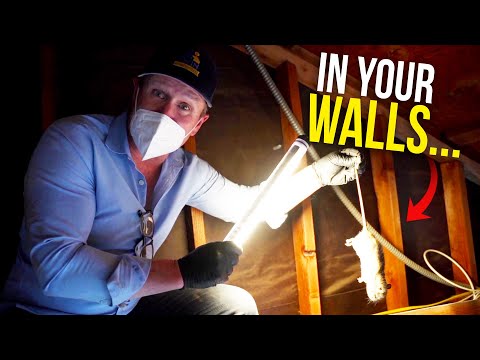
If you think rats are living in your walls, you’ll want to spot clear signs fast and use the right methods to get rid of them. It’s important to act carefully and prevent them from coming back.
Below are ways to detect a rat problem and safe practices to control rats in your home.
Signs of Rats Hiding in Walls
Listen for scratching or scurrying sounds, especially at night when rats are most active. These noises often come from inside walls or ceilings.
Look for small, dark droppings near baseboards or hidden corners. Rats leave grease marks and chew holes or gnaw marks on wood, wires, or insulation.
A strong, musty odor can also signal a rat infestation. You might notice food packaging torn open or missing crumbs in your kitchen.
Try putting a thin layer of flour at spots where you think rats sneak in. If you see tracks in the flour, you know rats are coming and going.
Proper Ways to Get Rid of Rats in Walls
Start by finding all the entry points rats use to get inside. Don’t seal these holes right away—put traps nearby first.
Use snap traps or electronic traps close to walls or where you hear noises. Live traps work too, but you’ll need to release the rats far from home.
Remove all food sources by storing food in airtight containers and cleaning up pet food bowls. Keep trash tied up and away from your house.
Wear gloves when handling traps or cleaning droppings to avoid germs. Motion-activated cameras can help you figure out where rats are moving so you can place traps better.
Effective Rat Removal and Prevention Strategies
After you’ve trapped the rats, seal up all openings with steel wool, caulk, or metal mesh. Rats can squeeze through holes as small as a dime, so check carefully.
Trim bushes and trees that touch your roof or walls. Clean up clutter in basements and attics where rats might hide.
Fix leaks and get rid of standing water since rats need moisture to survive. Keep your home clean and take out the trash regularly.
Some people use natural repellents like peppermint oil, but honestly, they won’t replace trapping and sealing. For stubborn problems, you might need to call in professional rat control.
Dangers of Using Rodenticides Improperly
Rodenticides kill rats, but they’re also dangerous for pets and kids. Always read the label and use them with real caution.
Don’t put poison anywhere pets or wild animals might find it. If a rat dies inside your wall, you’ll probably notice the smell—and cleanup gets a lot trickier.
Honestly, rodenticides alone won’t fix your rodent problem. You’ll need to use traps and prevention methods too if you want lasting results.
Not sure about poisons? You can reach out to a pro exterminator for advice and safer choices.


