
So, you spot a rat in your home. Is it just one, or are there more lurking nearby? Honestly, seeing one rat almost always means there are others—rats rarely live alone. They’re always searching for food, water, and shelter. If one finds your place cozy, chances are, others have too.

Rats hide well, so you probably won’t see them all, even if they’re around. Watch for droppings, gnaw marks, or weird noises at night—these clues can tip you off before things get out of hand.
Does Seeing One Rat Mean There Are More?

Spotting a rat inside usually means there are others nearby. Rats stick together in groups and breed fast if they find food and shelter.
It helps to know how rats live together, and why you might only catch a glimpse of one.
Rats as Social Animals and Group Living
Rats are super social animals. They live in groups—people call them colonies.
Living together helps them find food, stay safe, and have babies. If you see one, odds are good there are more hiding close by.
They talk to each other using sounds and smells. A rat doesn’t usually stray far from its group, unless it’s searching for new food or a place to live.
So when you spot a lone rat, it’s probably got friends nearby—even if you haven’t seen them yet.
How Many Rats Typically Live Together
A typical rat nest has about 5 to 10 rats. As their numbers grow, nests connect and form colonies, which can end up with hundreds of rats.
The colony builds several nests, often inside walls, attics, or other hidden spots.
Rats breed like crazy. Two rats can turn into 20 or 50 in just a few months.
You might notice lots of droppings, chewed-up stuff, or hear noises all around your house. These are all signs you’re dealing with more than just one rat.
Situations When Only One Rat May Be Present
Sometimes, you really might have just one rat. Maybe it wandered off from its group, or it’s out scouting for a new place.
But honestly, this doesn’t usually last long. Rats like company and will look for mates.
If you catch it and don’t see any other signs—no droppings, no noises—maybe it was alone. Still, since rats hide well, it’s smart to keep an eye out for more.
If you’re curious about why seeing one rat usually means more, you can check out the If I Have One Rat, Are There More? page at Reject Rats.
Key Signs That Indicate Multiple Rats in a Home
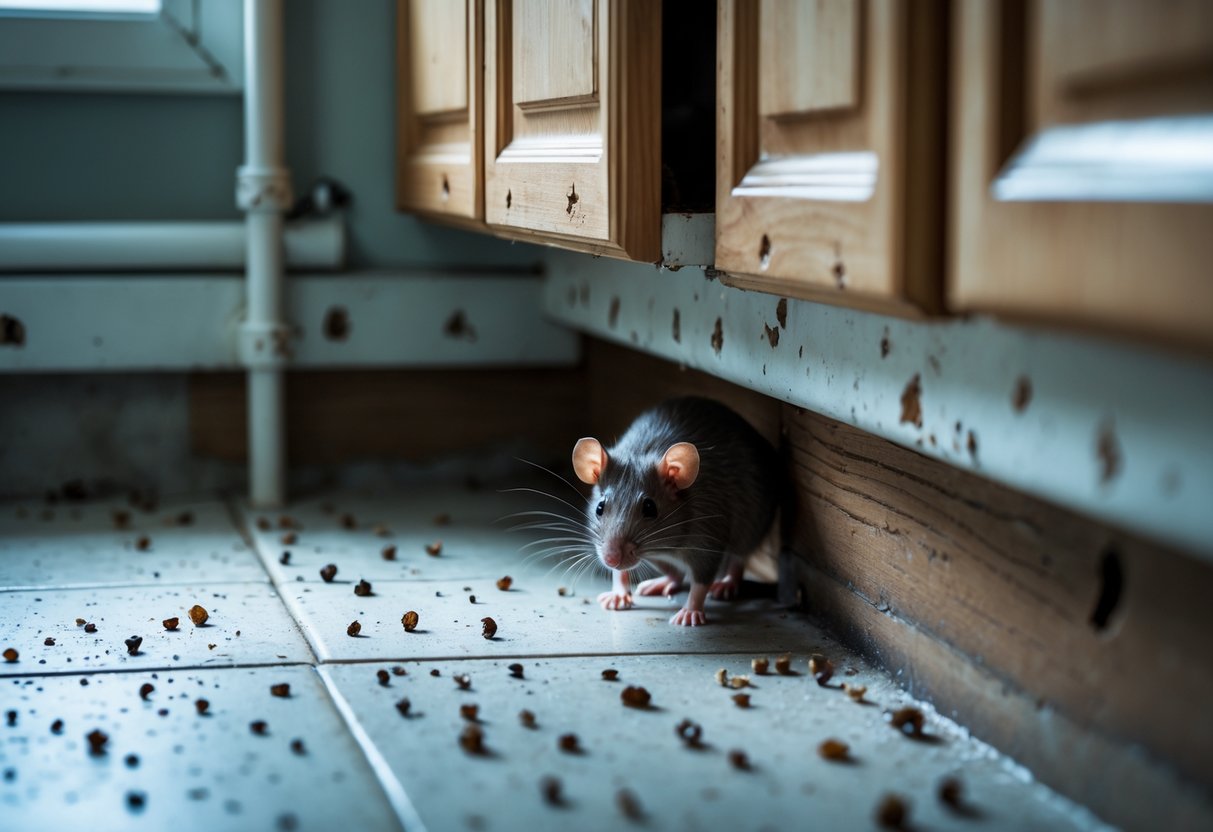
When you see a rat, there are usually some obvious clues pointing to more than just a single visitor. Think droppings, damage, weird noises, nests, and those hidden corners rats love.
Paying attention to these signs helps you figure out if you’ve got a bigger issue.
Rat Droppings and What They Reveal
Rat droppings tell you a lot. Look for small, black, sausage-shaped pellets about 1-2 cm long.
One rat can leave up to 40 droppings a night. If you find a lot, you probably have more than one rat.
Droppings scattered all over or piled in certain spots suggest multiple rats live nearby. Fresh droppings look shiny and dark, but old ones turn gray and crumbly.
You might spot droppings along rat paths or near food and water. If you’re finding poop in lots of odd places, it often means you’re dealing with a whole colony—rats travel a lot to find food and places to nest.
Not sure? Comparing the amount of rat droppings and what they reveal might help.
Gnaw Marks and Damage
Rats chew on everything to keep their teeth short. You’ll spot gnaw marks on wood, wires, plastic, and even walls.
Their teeth look yellowish because of iron in the enamel, which lets them chew through all kinds of stuff.
You might also notice greasy marks where rats rub their bodies along walls, pipes, or baseboards. These dark, shiny streaks show their regular routes.
If you see lots of chew spots or big holes in wood or drywall, it’s a sign there’s more than one rat.
Damage to insulation, pipes, or electrical wires is dangerous and usually means you’ve got a rat infestation. Lots of gnawing in different places? That’s another hint your rodent problem is growing.
Noises, Nests, and Odors
Rats get most active at night. You might hear scratching, squeaking, or scurrying in your walls, ceilings, or floors.
If you hear noises from different places at once or it sounds like a group, you probably have multiple rats.
Finding nests is another big clue. Rats build them from shredded paper, cloth, or insulation, hiding them in secret spots.
If you discover more than one nest—in walls, attics, or under floors—you’re dealing with a colony.
Rats also leave behind a strong, musky smell from their urine and droppings. If your place starts to stink, it usually means rats have been around for a while.
All these noises, nests, and odors together almost always mean you’ve got a real rat infestation.
Hidden Infestations and Rats Under Decking
Rats just love dark, quiet spots like the space under decks, porches, or sheds. These places give them shelter and a sneaky path into your home.
You might spot shredded material, nesting mess, or even catch a strong, unpleasant smell. Sometimes, you’ll notice burrows or holes right near the deck supports.
If you hear scratching or movement late at night, rats could be hiding underneath. People often forget about these areas, but honestly, rats can use them as a launchpad for bigger problems.
Check these hidden spots regularly. Walk around your property’s foundation and peek under outdoor structures to catch any trouble before it grows.
Want more details? Read about signs of rats under decking to help keep your home safe.


