
Choosing the right family guard dog is an important decision for your household. The best family guard dogs are those that combine loyalty, protectiveness, and a gentle nature, making them perfect for families with children. From breeds known for their strong protective instincts to those that are affectionate and loving, you have many options to consider.

When selecting a guard dog, it’s essential to find a balance between protection and companionship. You want a dog that can keep your loved ones safe while also being friendly and nurturing. Breeds like the Akita and Doberman have earned their reputation as effective guard dogs while still being devoted family members.
Understanding the unique qualities of each breed will help you make the right choice for your family. With the right training and socialization, your guard dog can become a trusted protector and a beloved friend to your kids.
Identifying the Ideal Family Guard Dog
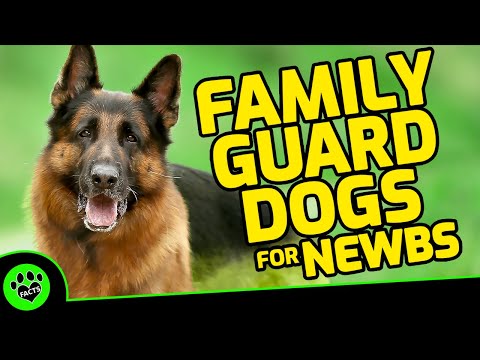
Choosing the right family guard dog requires you to consider various traits that align with your household’s needs. You’ll want a dog that is protective, yet friendly and great with kids. Understanding specific traits and suitable breeds is essential.
Temperament and Behavior Traits
When selecting a guard dog, focus on temperament first. Look for dogs that are loyal and intelligent. These traits often make for the best family companions.
An ideal guard dog should also be affectionate. This allows them to bond well with your family, especially children. A balance between protectiveness and friendliness is crucial.
Be aware of how the dog reacts to strangers. While you want a protective dog, it should be able to differentiate between a friend and a true threat. Dogs like the German Shepherd are known for being both loving and protective, making them a great choice for families.
Dog Breeds Suited for Families
Certain dog breeds naturally fit the role of a family guard dog. The Caucasian Shepherd Dog stands out due to its gentle nature with kids, despite its imposing size.
Bull Terriers are also popular, known for their strong protective instincts. However, training is key to ensure they behave well around children.
Golden Retrievers may come as a surprise, but they are incredibly loyal and intelligent. Their friendly demeanor makes them great for families, while they still possess protective instincts.
When choosing a breed, consider how they will mesh with your family’s lifestyle. Look for breeds with a known history of being gentle and good with children.
Importance of Socialization and Training
Training and socialization are vital for your guard dog’s development. Early socialization helps your dog interact well with children and other pets.
You should expose your dog to different environments, people, and situations. This not only helps them adjust but also enhances their protective instincts.
Regular training reinforces obedience and builds a strong bond between you and your dog. Use positive reinforcement techniques for the best results.
Remember, a well-trained dog is often more confident and balanced. This balance is essential for a successful guard dog that can protect your family while being gentle with loved ones.
Top Family Guard Dog Breeds

Choosing the right family guard dog involves finding breeds known for their protective instincts and companionable nature. Here are some of the top choices that combine these traits perfectly.
Large Breed Favorites
Large dogs often make excellent family guard dogs due to their size and strength. The German Shepherd is a top contender; they are loyal, intelligent, and very trainable. Rottweilers also stand out with their protective nature. They bond closely with families and can be both strong protectors and loving companions.
The Akita is another large breed that’s protective and confident. They require proper training and socialization to be well-rounded. The Bullmastiff is known for its gentle demeanor despite being a large dog. They are very loyal and have a calm presence that can be comforting to children. Choosing any of these breeds can enhance your family’s safety.
Energetic and Vigilant Protectors
Some dogs are known for their high energy and alertness. The Belgian Malinois is a great example. These dogs are highly trainable and excel in protection work. They thrive on exercise and mental stimulation, making them perfect for active families.
The Doberman is another energetic choice. They are known for their alertness and loyalty, often forming a close bond with their families. Boxers also fit this category; they are playful and friendly while remaining watchful protectors.
The Rhodesian Ridgeback combines athleticism with a strong protective nature. They are known for their bravery and watchfulness, making them excellent family companions. Each of these breeds brings energy and vigilance to your household.
Gentle Giants and Their Protective Nature
Gentle giants can be great family guardians while being loving companions. The Great Dane is one such breed. Despite their size, they are often friendly and good with children. They are surprisingly gentle while still being protective.
The Bernese Mountain Dog is another gentle giant. They are known for their calm temperament and loyalty. They naturally protect their families without being aggressive.
The Tibetan Mastiff has a strong protective instinct yet is known for being calm and loving with kids. Lastly, the Great Pyrenees showcases vigilance with a gentle heart. They are attentive and show a strong protective nature, making them perfect family dogs.
Choosing any of these breeds can provide your family with both protection and affection.
Training for Household Protection

Training your dog for household protection involves building a strong foundation of obedience, loyalty, and specific skills. This ensures your dog not only protects you but also knows how to respond to various situations.
Building Obedience and Loyalty
Obedience training is the first step in preparing your dog for protection duties. Start with basic commands like sit, stay, and come. These commands form the building blocks of your dog’s overall behavior.
Consistency is key. Use positive reinforcement techniques, such as treats and praise, to encourage good behavior. Ensure your dog understands that following commands leads to positive outcomes.
Loyalty develops through socialization. Expose your dog to different environments, people, and other pets. This exposure builds their confidence and helps them become more alert. A loyal dog is a reliable protector.
Engaging in Dog Sports for Skill Development
Participating in dog sports is a great way to enhance your dog’s protective instincts while keeping them active. Sports such as agility or obedience competitions improve your dog’s focus and athleticism.
Engaging in these activities also increases the bond between you and your pet. Regular practice helps reinforce training commands, turning playtime into a productive learning experience.
Moreover, these sports require your dog to think on their feet, enhancing their problem-solving skills. This can be crucial in real-life protection situations, allowing them to respond effectively.
Advanced Protection Training Techniques
Once your dog has mastered obedience, you can introduce advanced protection training techniques. Consider specific training methods that focus on protection behaviors, like barking on command or controlled aggression.
Hiring a professional trainer can be beneficial. They will use techniques tailored to your dog’s breed and personality. A German Shepherd, for example, has natural protective instincts, making them ideal candidates for this type of training.
Remember, training should always be a positive experience. Use rewards to motivate your dog. This will encourage them to see protection tasks as fun rather than a chore. Consistent practice is essential for long-term success in household protection.
Integrating a Guard Dog into Your Family Home

Bringing a guard dog into your family home can be a rewarding experience. It enhances safety while providing companionship. To ensure a smooth transition, consider the key aspects of child and pet safety, maintaining harmony, and regular health care.
Ensuring the Safety of Children and Pets
When introducing a guard dog, the first priority is safety. Choose a breed known for being gentle around kids but protective, like a golden retriever or australian shepherd. Ensure your dog is well-socialized from a young age.
Teach your children how to interact with the dog respectfully. Supervise playtime to prevent roughhousing or accidents.
It’s also important to ensure that pets in the home are introduced gradually and under supervision. This helps avoid territorial issues. A calm demeanor from you and consistent training helps your dog understand their role as both a protector and a part of the family.
Maintaining a Balanced Family Environment
Creating a balanced family environment is crucial when you have a guard dog. Start with establishing a routine that includes daily exercise and training sessions. A tired dog is often a happy dog.
Involve the entire family in training to strengthen the bond between the dog and your family members. Use positive reinforcement techniques to encourage good behavior. Breeds like the beauceron and boerboel thrive on mental and physical challenges.
Also, ensure that your home is a safe space for the dog. Create a designated area with their bed and toys to help them relax. This balance will help integrate your protective dog into your family life effectively.
Regular Health Checks and Care Tips
Taking care of your guard dog is essential for their well-being and effectiveness as a family protector. Schedule regular vet visits for vaccinations and check-ups to catch any health issues early.
Feed your dog a balanced diet rich in protein to maintain energy and fitness. Breeds like the bouvier des flandres or appenzeller sennenhund may have specific dietary needs due to their size and activity level.
Regular grooming and exercise keep your dog healthy, while also helping them maintain a calm temperament. Pay attention to dental care and consider training classes for socialization.
A healthy, well-adjusted dog will be a great addition to your family.


