
When you are looking for the smartest dog breeds, you might wonder which ones stand out the most. The German Shepherd is the fourth smartest dog. They are known for their intelligence, loyalty, and versatility. These dogs are not only great companions, but they are also often used in police and service work due to their ability to learn and follow commands quickly.

Understanding dog intelligence can be fascinating. Each breed has its strengths, and some are better at learning new commands or solving problems than others. By exploring the intelligence of dogs, you’ll discover what makes breeds like the German Shepherd excel in various roles.
As you continue to read, you’ll learn more about these remarkable canines and how their intelligence can make them both wonderful pets and valuable working dogs. Get ready to dive into the world of canine intelligence and find out what sets the smartest dogs apart!
Understanding Dog Intelligence

Dog intelligence can be measured in different ways, and understanding these can help you choose the best training methods for your furry friend. Each breed has unique traits, influencing their ability to learn and understand commands, which is important for their social skills and behavior.
Defining Dog Intelligence
Dog intelligence is often categorized into three main types: working intelligence, instinctive intelligence, and adaptive intelligence.
- Working intelligence is how well a dog follows commands and learns tasks.
- Instinctive intelligence refers to natural skills, such as herding or hunting.
- Adaptive intelligence measures how well a dog solves problems on its own.
Some breeds are known for their high trainability, such as Border Collies and Poodles. These dogs often respond quickly to commands and require less repetition. Understanding how these types work can help you better support and train your dog.
Factors Affecting Canine Intelligence
Several factors influence a dog’s intelligence. These include:
- Breed: Some breeds are naturally more intelligent than others. For example, working breeds tend to excel in obedience and tasks.
- Mental Stimulation: Providing your dog with puzzles and games helps boost their mental skills.
- Exercise: Regular physical activity is crucial. It keeps dogs healthy and can enhance their learning capabilities.
- Socialization: Exposing your dog to new experiences builds confidence and learning opportunities.
Using positive reinforcement is essential for any training. Rewarding desired behaviors helps your dog learn quicker and makes the training experience enjoyable for both of you.
Top Smartest Dog Breeds
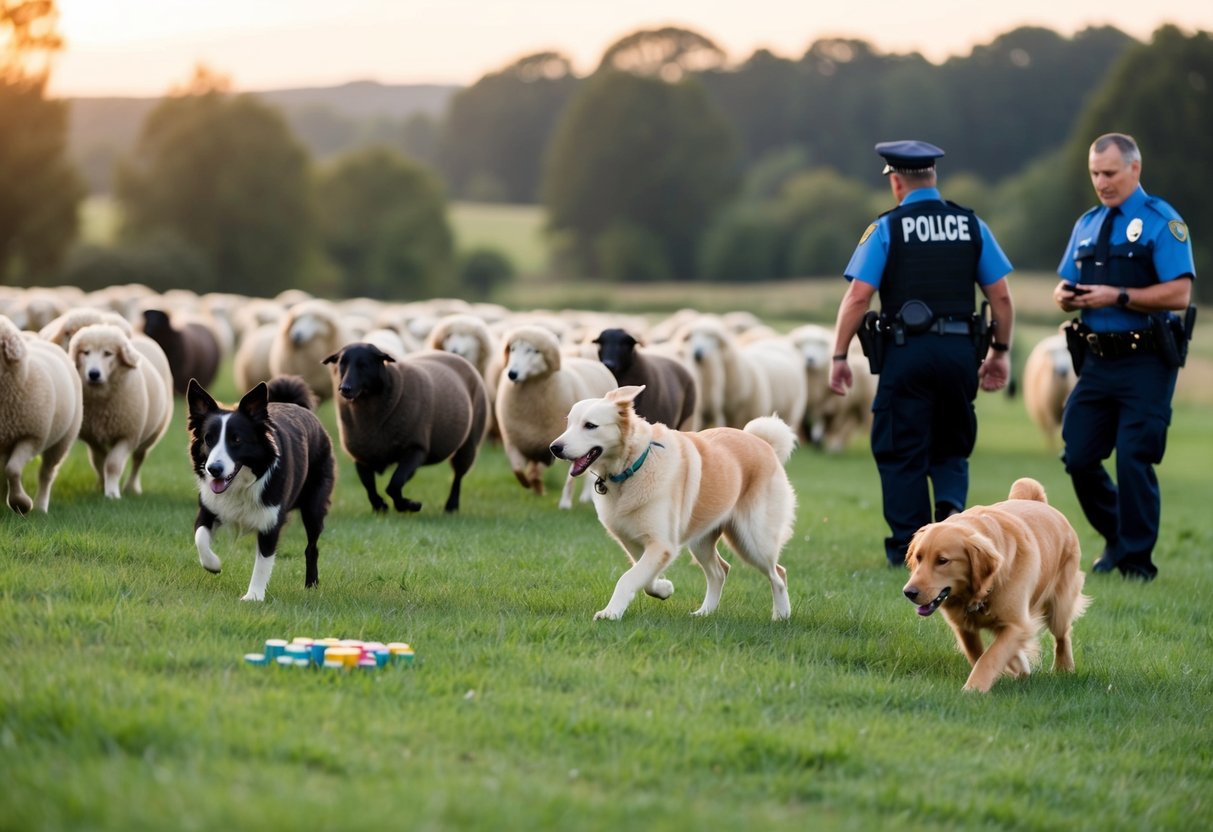
When looking into the smartest dog breeds, you’ll find that some stand out due to their intelligence, trainability, and tasks they can perform. These breeds not only excel in obedience but also in various roles from working dogs to beloved companions.
Rankings and Recognition
The American Kennel Club (AKC) has noted specific breeds for their exceptional intelligence. Among these, the Border Collie takes the top spot for its ability to learn commands quickly, often needing fewer than five repetitions. Following closely are the Poodle and German Shepherd, both recognized for their high intelligence and versatility.
Other notable contenders include the:
- Golden Retriever
- Shetland Sheepdog
- Papillon
- Rottweiler
- Australian Cattle Dog
- Doberman Pinscher
- Labrador Retriever
These breeds have shown excellence in obedience trials and serve in various capacities such as service and therapy dogs. Their rankings reflect their skill in mastering tasks and commands quickly.
Traits of Intelligent Dogs
Intelligent dogs often share specific traits that make them easy to train and adaptable. Firstly, they possess excellent problem-solving skills. This helps them navigate challenges in their environment and understand new tasks.
Additionally, smart dogs are known to have a high level of focus. They can stay concentrated during training and respond promptly to commands.
Many of these breeds also thrive on mental stimulation and enjoy tasks that challenge their minds. Games like fetch or agility training can enhance their skills. This makes them not only great companions but also excellent participants in various activities. Their intelligence can make owning them a rewarding experience, as your bond will strengthen through training and play.
Training and Engaging Intelligent Dogs

Training smart dogs requires tailored strategies to keep them interested and challenged. Engaging these breeds can greatly enhance their trainability and overall happiness.
Effective Training Strategies
Using positive reinforcement is key when training intelligent dogs. Reward-based training can include treats, praise, or playtime. This method encourages them to learn and obey commands more readily.
Start with simple commands like “sit” or “stay.” Once they master these, gradually introduce more complex tricks. Remember to be patient and consistent, as these breeds thrive on routine.
Incorporate obedience training and agility tasks. Many smart dogs excel in dog sports that test their skills. This not only boosts their confidence but also strengthens their bond with you.
Tracking their progress and celebrating small victories keeps the training fun. Interactive training sessions are great for keeping your dog focused and motivated.
Activities for Smart Dogs
Engaging your dog in mental stimulation activities is essential. Puzzle toys and treat-dispensing games can keep their minds sharp. They enjoy challenges that allow them to problem-solve.
Physical exercise is also important. Daily walks, runs, or playtime can be exciting for a working dog. Incorporate fetch or frisbee games to promote physical activity.
Consider joining dog sports like agility or obedience competitions. These pastimes are not just fun but also help socialize your dog. They offer both mental and physical challenges.
Lastly, hide-and-seek games can be a hit! It encourages your dog to use its nose and think critically. Regularly engage in these activities to keep your companion stimulated and happy.
Challenges of Caring for Intelligent Dog Breeds
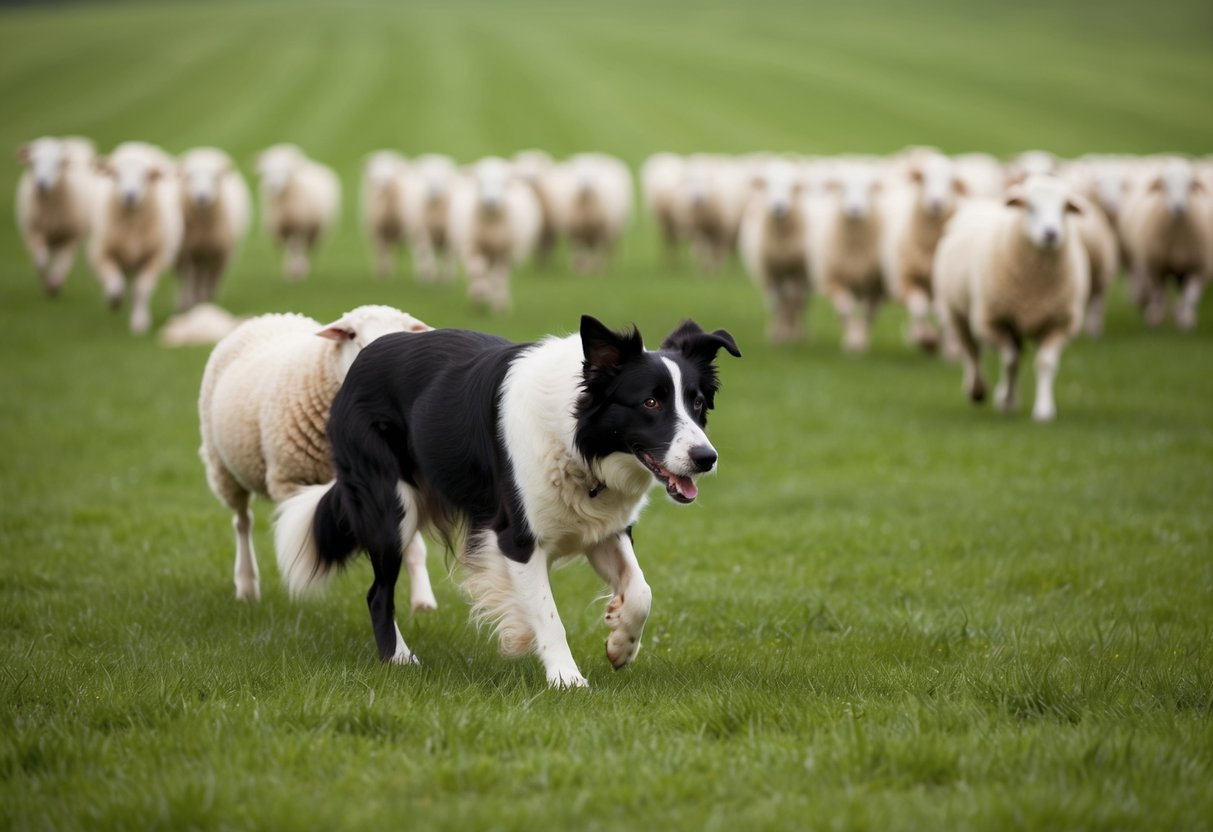
Caring for smart dog breeds comes with its own unique set of challenges. These dogs often require more attention, training, and mental stimulation than average breeds, which can be demanding for owners.
Behavioral Considerations
Intelligent dogs tend to be more aware of their surroundings and can develop complex behaviors. They may get bored easily, which can lead to unwanted destructive behavior, such as chewing furniture or digging in the yard.
To keep your smart dog happy, provide them with plenty of mental stimulation. This can include interactive toys, puzzles, or games that challenge them mentally. Regular exercise is also crucial, as it helps burn off excess energy and reduces boredom.
You may notice your dog displaying signs of frustration if they feel under-stimulated. Keeping their minds engaged will lead to a more balanced and happy pet.
Commitment to Training
Training intelligent dog breeds requires dedication and consistency. These dogs are usually quick learners and thrive on positive reinforcement.
You can use treats or praise to encourage good behavior during training sessions.
Make sure to vary the training exercises to keep them interesting.
Engaging in activities such as obedience trials or agility courses can be a fun way to bond and challenge your dog.
Remember that consistent training helps build your dog’s confidence and enhances their trainability.
With commitment, you’ll create a well-behaved dog that understands boundaries and commands.


