
If you’ve ever spotted an animal that resembles a raccoon while wandering through an African landscape, you might be seeing an African civet. The African civet is a unique creature that shares some similar physical traits with raccoons, such as a masked face and a bushy tail. This nocturnal mammal belongs to the family Procyonidae, which includes raccoons and their close relatives.
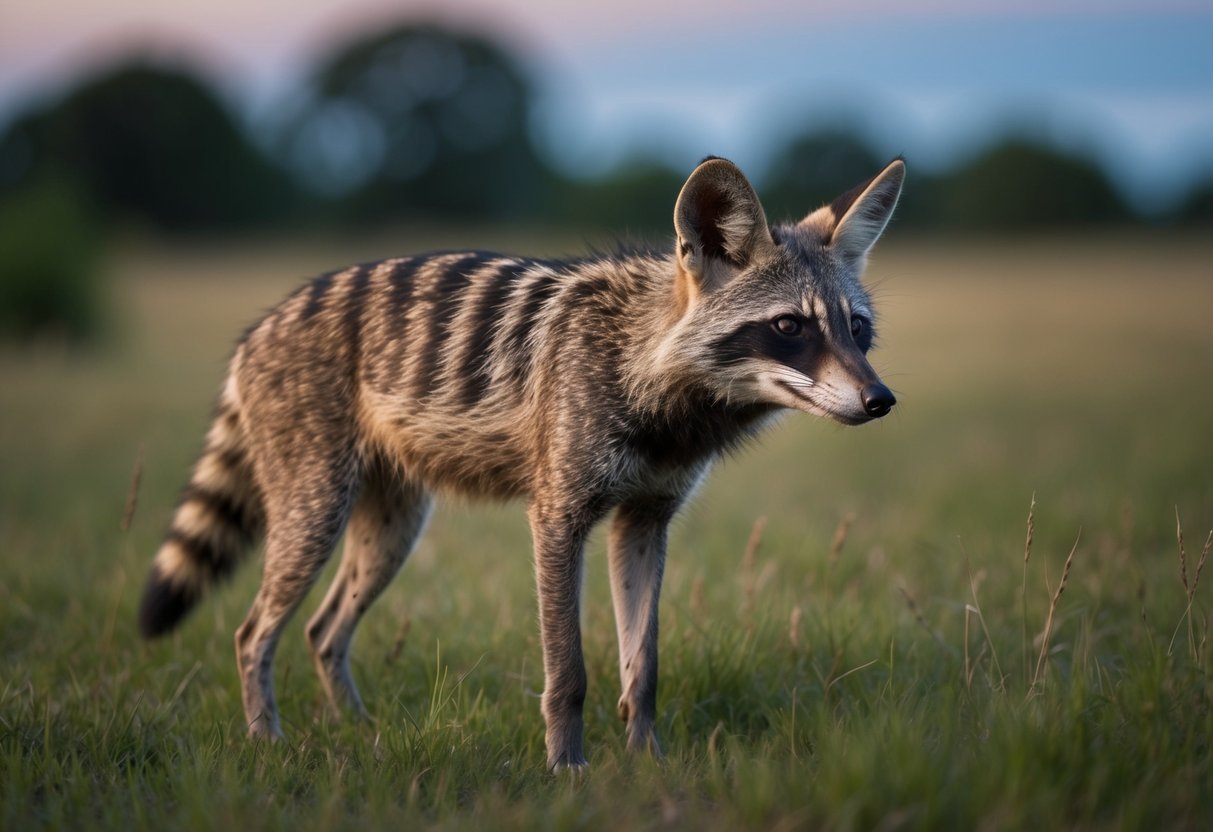
African civets are adaptable animals found in various habitats, from forests to savannas. They often forage at night, just like their raccoon cousins, searching for food that ranges from fruits to small animals.
Their intriguing appearance and behavior make them fascinating subjects for wildlife enthusiasts.
Throughout this article, you’ll learn more about the distinctive features of the African civet and how it compares to raccoons and other animals in the Procyonidae family. Join the journey to discover what makes this animal so special!
Discovering the Procyonidae Family
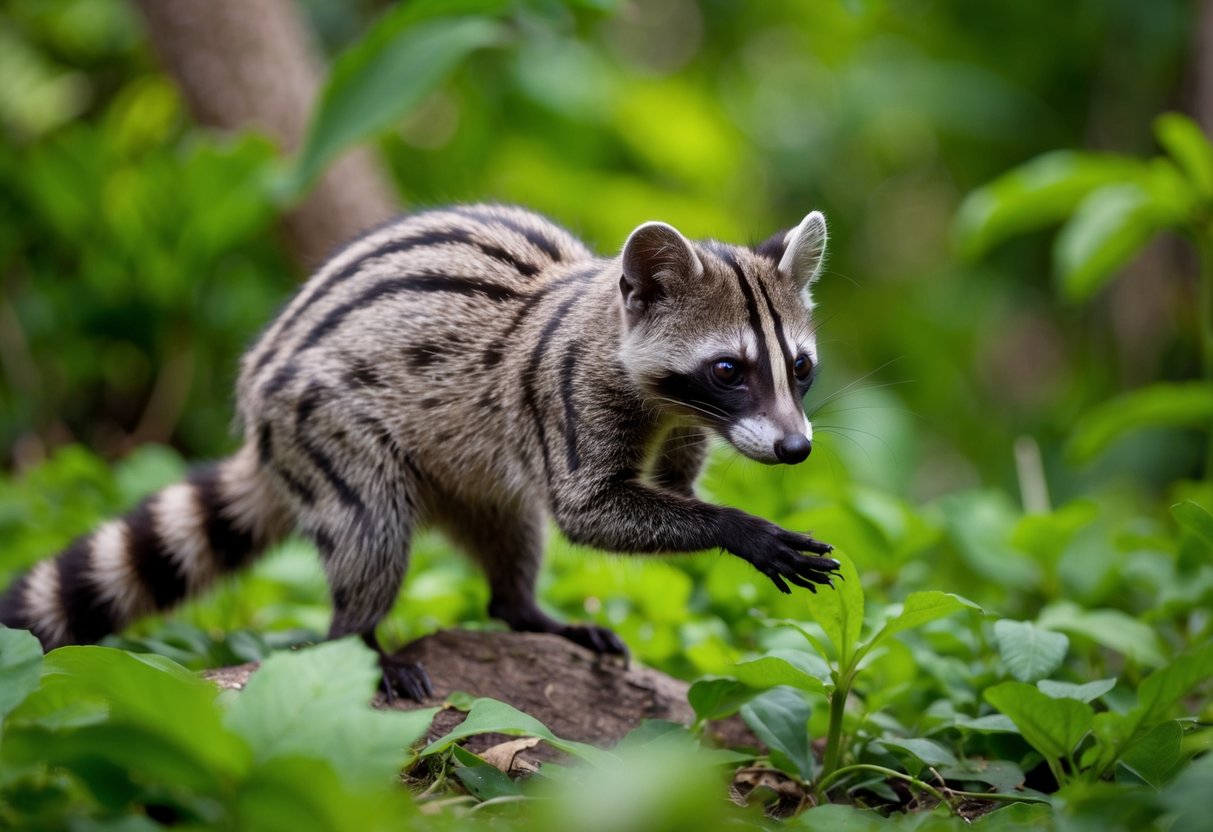
The Procyonidae family includes a variety of fascinating mammals that share characteristics with raccoons. You’ll find playful animals like coatis and kinkajous, each with unique traits and habitats.
Key Members and Their Characteristics
In the Procyonidae family, several remarkable animals stand out. Raccoons are perhaps the most well-known, recognized for their black “mask” markings and dexterous front paws. They are highly adaptable and can thrive in urban environments.
Coatis have long snouts and tails, often seen foraging in groups. Kinkajous are nocturnal and known for their sweet, fruit-rich diets. The ringtail is another member that resembles a raccoon but is a different species entirely.
You may also hear about cacomistles and olinguitos, both smaller relatives of the raccoon. They share similar features but have distinct lifestyles and habitats. Perhaps the most distant cousin is the red panda, which, although categorized differently, shares some physical similarities.
Habitat and Distribution
The Procyonidae family is primarily found in North and South America, but one member, the raccoon dog, is unique to Asia. Raccoons thrive in diverse environments, from forests to urban areas.
Coatis prefer tropical forests, while kinkajous are often found in rainforests, where they can access plenty of fruit. The olinguito and its cousins inhabit cloud forests, often at higher altitudes.
Humans have also impacted these habitats, sometimes leading to conflicts between wildlife and urban development. Understanding where these animals live can boost your appreciation of their importance in ecosystems.
Physical and Behavioral Traits
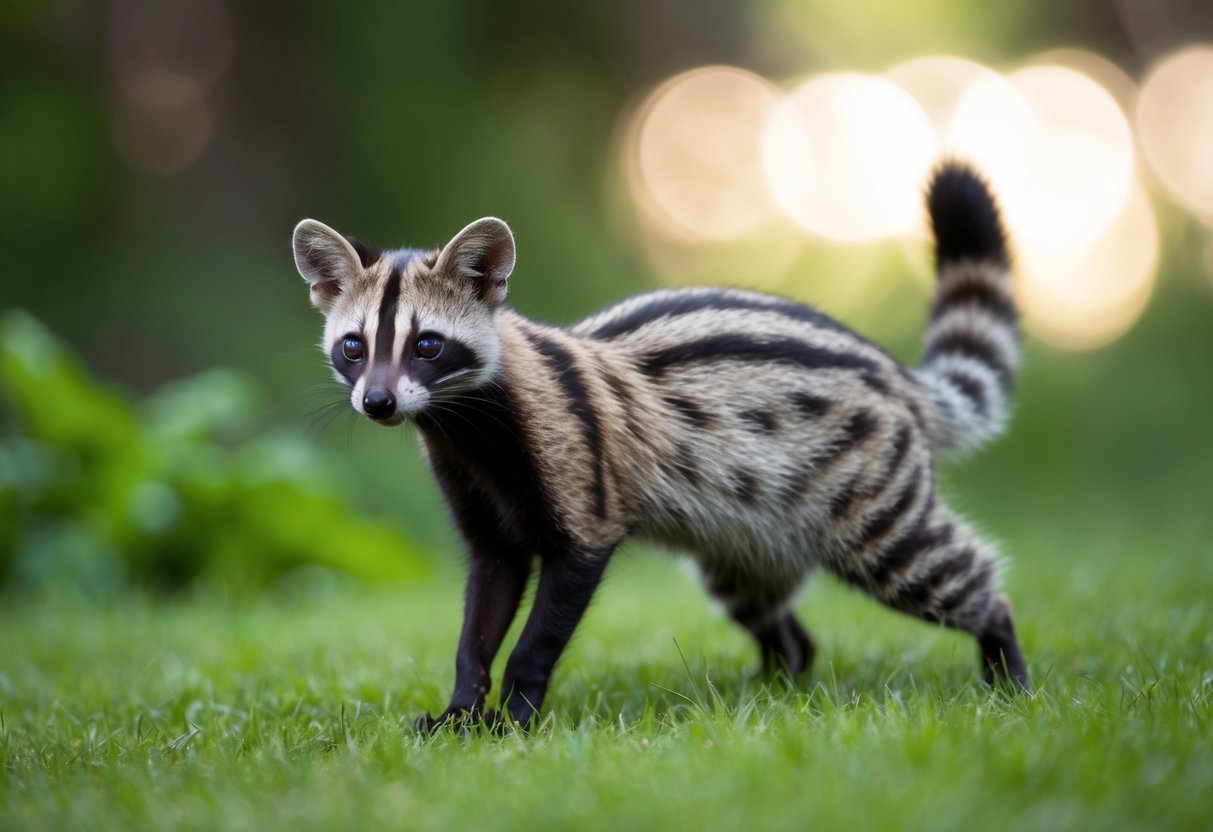
These animals showcase a mix of unique adaptations that help them thrive in their environments. Their traits often include distinct physical features and behaviors that make them fun to observe.
Adaptations for Survival
The African civet is an intriguing animal resembling a raccoon. It is primarily nocturnal, allowing it to stay safe from daytime predators. You might notice its black facial mask and white markings, which help with camouflage in the shadows.
This animal is also omnivorous, meaning it enjoys a varied diet of fruits, insects, and small animals. Its bushy tail provides balance while climbing and helps communicate with other civets.
When foraging, the civet uses its strong sense of smell and intelligence to locate food, often digging to uncover hidden treats.
The Raccoon Look-Alikes
You can easily spot the similarities between the African civet and raccoons. Both have ringed tails and a similar body shape. Their designs allow for agile movement in trees, making them arboreal creatures that love to climb.
Like raccoons, civets display intelligence, known for their problem-solving skills. They often manipulate objects to get to food, which is both clever and entertaining. Just like their raccoon cousins, their social behaviors lead them to interact with each other, especially during feeding times.
Conservation and Human Impact
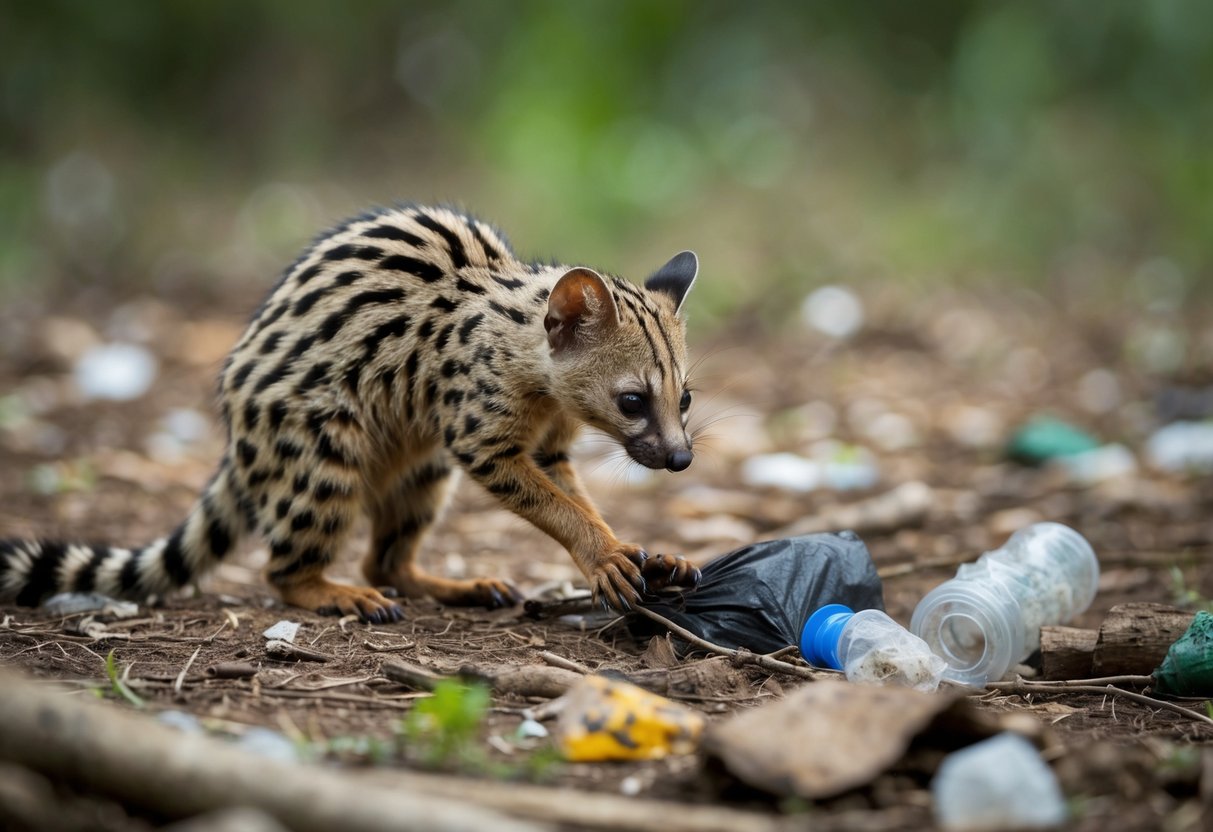
Understanding the challenges faced by the animal that resembles a raccoon is essential. Key issues include habitat destruction and the ongoing need for conservation efforts.
Habitat Protection Efforts
Conserving the habitats of these animals is vital. Protected areas in tropical forests help ensure their survival.
Organizations work tirelessly to create and maintain reserves in regions like North America and Central America. Community involvement is crucial as well.
Education programs promote awareness of wildlife protection. Sustainable land-use practices can reduce deforestation and habitat loss.
You can help by supporting local conservation projects. Green spaces in urban areas can also encourage wildlife to thrive. By planting native species and reducing pollution, you contribute to a healthier environment for these animals.
Species at Risk
Many animals that look like raccoons are currently at risk. Factors like deforestation and urban expansion threaten their survival. These adaptable creatures often struggle to find safe habitats as their natural environment disappears.
In South America and Asia, human encroachment and illegal hunting also pose significant threats. These activities not only reduce their population but also disrupt their natural behaviors.
Conservation lists highlight species that need immediate attention. Protecting these species is essential for maintaining biodiversity and ecological balance.
You can stay informed and advocate for policies that help protect these vulnerable animals and their habitats.


