
Beagles are well-known for their cheerful and friendly personality. You might wonder if this breed is also sensitive. Yes, beagles are indeed sensitive dogs that can pick up on the emotions of their owners. This sensitivity makes them affectionate companions, perfect for families who want a pet that thrives on love and attention.

Their gentle nature means they are often attuned to the moods of the people around them. If you’re feeling down, your beagle might snuggle up to you, offering comfort just when you need it. Understanding a beagle’s sensitivity can help you build a strong bond, making them wonderful family pets that bring joy and companionship into your home.
As you explore the unique traits of beagles, you’ll uncover why their sensitive side can be both a blessing and a challenge. Whether you are considering adopting a beagle or already have one, learning more about their personality can deepen your connection and enhance your experience as a pet owner.
Understanding the Beagle Temperament

Beagles are known for their friendly and happy-go-lucky nature. Understanding their unique temperament can help you connect with them better and create a strong bond.
Traits of a Typical Beagle
Beagles are small to medium-sized dogs with a lovable and sociable personality. They are known for their friendly demeanor, making them great companions for families and individuals alike.
These dogs are intelligent, which means they can learn quickly. However, their independent streak can make training a bit challenging. You need to be patient and consistent.
Their playful nature means they enjoy games and outdoor activities. This breed thrives on companionship, so they do best with lots of interaction and socialization.
Beagle’s Behavioral Tendencies
Beagles have a strong sense of smell and a curious attitude. They often explore their surroundings, which can lead to energetic behavior.
Due to their sociable temperament, Beagles can be sensitive to the emotions of those around them. They may feel stressed in chaotic environments or when left alone for too long.
They are also known to be playful, often engaging in fun activities that can make them quite entertaining. Keep their minds sharp with toys and games that challenge them.
Care and Training Essentials

Taking care of your Beagle involves understanding its health needs and providing proper training. You’ll want to focus on their diet, exercise, and a structured training routine to keep them happy and well-behaved.
Nurturing a Healthy Beagle
To keep your Beagle healthy, focus on balanced nutrition and regular veterinary check-ups. Beagles can be prone to obesity, so monitor their diet closely. Feed them high-quality dog food designed for their energy level and age.
For adult Beagles, 2 to 2.5 cups of food per day is typical. Divide this into two meals to prevent sudden hunger and overeating.
Make sure to also provide plenty of exercise. Daily walks and playtime are essential to cater to their energetic nature. Use toys that engage their scent tracking skills to provide both physical and mental stimulation.
Training Your Beagle Effectively
Training your Beagle can be a rewarding experience if approached with patience. Start with basic commands like sit, stay, and come. Use positive reinforcement, such as treats or praise, to motivate your dog.
Beagles are known for their trainability, but sometimes their independent nature may present challenges. Consistency is key, so maintain a regular training schedule.
Keep training sessions short, about 5 to 10 minutes each, to hold their attention. Socialization with other dogs and people is also crucial. It helps your Beagle learn proper behavior and reduces anxiety in new situations.
Physical Attributes and Health Concerns
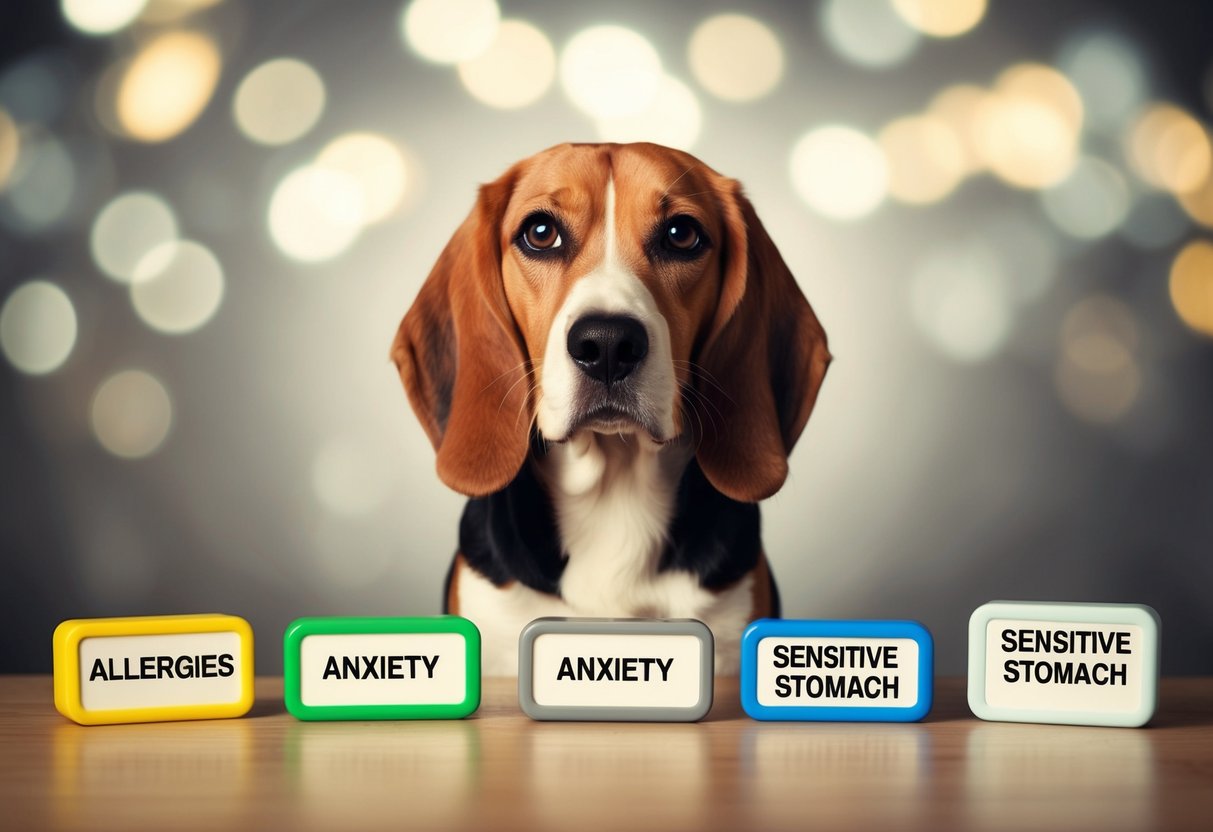
Beagles are medium-sized dogs known for their friendly demeanor and unique physical traits. Their health can be affected by various issues, so it’s important to be aware of common concerns and proper grooming practices.
Recognizing Common Beagle Health Issues
As a Beagle owner, you should keep an eye out for specific health problems. Hip dysplasia is one issue that can affect their mobility. This condition is more common in larger breeds but can occur in Beagles too.
Obesity is another concern. Beagles love to eat, so it’s essential to monitor their diet to prevent excess weight. Obesity can lead to serious health problems, including diabetes and heart disease.
Also watch for cherry eye, which occurs when a gland in the eye bulges out. This condition may require veterinary attention. Additionally, many Beagles can suffer from hypothyroidism, which affects their metabolism and energy levels. Regular vet check-ups are key to catching these issues early.
Importance of Grooming and Maintenance
Grooming your Beagle is vital for maintaining their health. Their short, dense coat typically sheds, so brushing them weekly can reduce loose hair around your home. Make sure to choose a brush suitable for their coat type to keep their fur shiny and healthy.
Beagles come in various coat colors, including tri-color and lemon, adding to their charm. Regular baths will keep their coat clean, but avoid over-bathing to prevent skin irritation.
Don’t forget dental care! Brushing your Beagle’s teeth regularly can prevent periodontal disease. Lastly, regular nail trimming is also important to keep their paws healthy and comfortable.


