
Beagles are known for their friendly nature and strong bond with their families. Many people wonder if these adorable dogs can also offer protection. Beagles may not be traditional guard dogs, but they are effective watchdogs because of their alertness and ability to bark at unusual sounds.
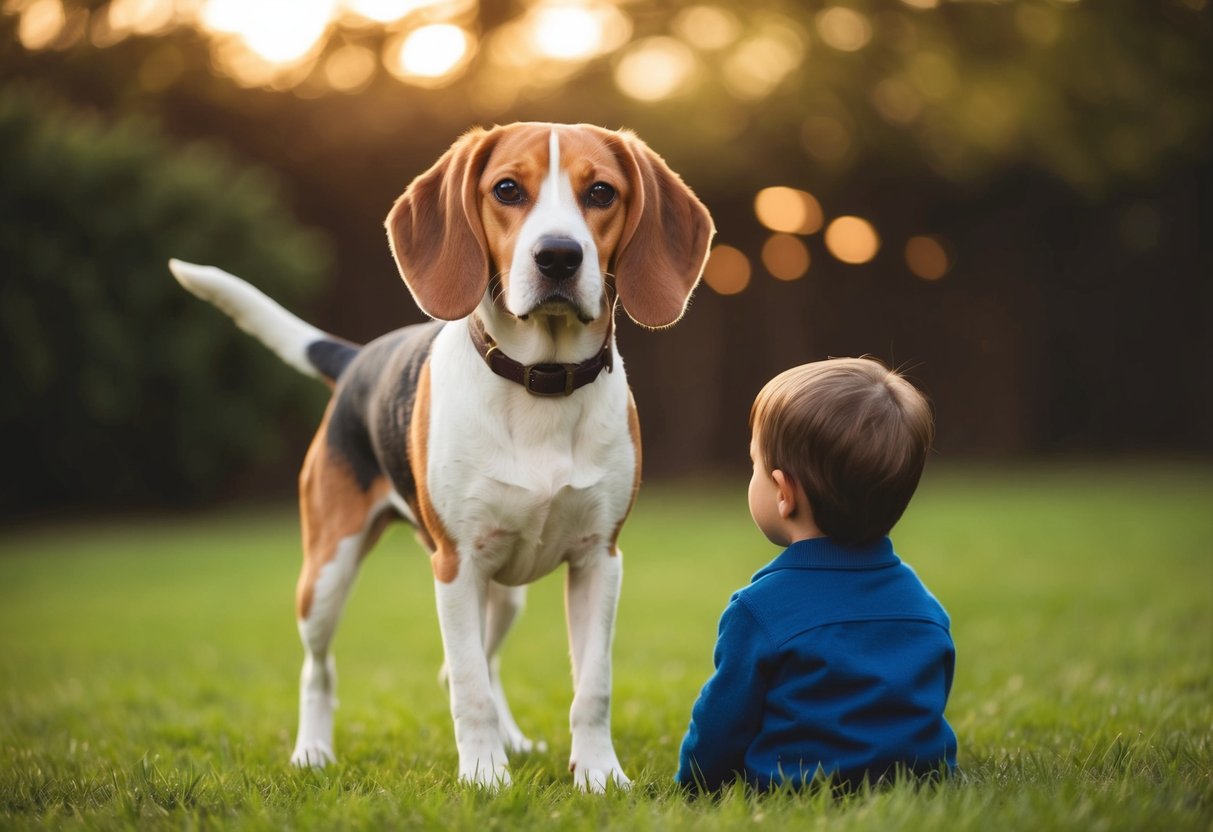
As a companion, a beagle can provide comfort and support to your family. Their loyal and playful demeanor makes them wonderful family pets. Although they might not physically defend you, their vocal alerts can help you stay aware of potential threats.
If you’re looking for a furry friend who can bring joy to your home while still being watchful, a beagle might be the right choice. Understanding their unique strengths can help you appreciate how they can fit into your family’s safety and companionship needs.
Understanding the Beagle’s Nature

Beagles have unique traits that shape their behavior and instincts. Their natural characteristics make them loyal companions and affectionate family pets. Understanding these traits can help you appreciate how beagles might protect you and your loved ones.
Characteristics of the Breed
Beagles are known for their keen sense of smell and friendly demeanor. These hunting dogs have strong instincts that drive them to be alert and attentive. Their background as pack dogs influences their social behavior, making them great at reading the emotions of their family members.
Their vocal nature means they often bark or howl to communicate. This can be helpful for alerting you to visitors or potential dangers. Beagles are medium-sized dogs, generally weighing between 20 to 30 pounds, which allows them to be agile and quick. This agility is part of what makes them effective watchdogs.
Beagles as Family Pets
As family pets, beagles are playful and loving, often forming strong bonds with both adults and children. Their loyalty is one of their most cherished traits. They thrive on companionship, so they enjoy spending time with you and your family.
Beagles do well when socialized early in life. This helps them learn to interact positively with others and understand their role in the family. While they may not be aggressive protectors, their instincts lead them to alert you if they sense something is off. Their bark is often enough to ward off intruders!
With proper training and care, your beagle can grow into a protective and affectionate member of your household.
Beagles and Protection

Beagles have a mix of protective instincts and limitations when it comes to guarding you and your home. Understanding these traits can help you know what to expect from your Beagle regarding protection.
Protective Instincts
Beagles are known for their loyalty. They often form strong bonds with their families, making them naturally protective. They may bark or howl to alert you of any potential danger. Their keen senses allow them to pick up on changes in their environment, which adds to their alertness.
These dogs can show territorial behavior. When a stranger approaches, you might see your Beagle become more vocal. While they might not physically confront a threat, their barking serves as an alert. This instinct can make them good watchdogs, notifying you before any situation escalates.
Limitations as Guard Dogs
While Beagles do have protective instincts, they are not typically seen as aggressive guard dogs. Their friendly nature means they are usually welcoming to strangers. Instead of confronting an intruder, a Beagle is more likely to retreat if it feels scared.
Training your Beagle in obedience can help enhance their protective behaviors. Initially, this training requires time and patience, as Beagles need consistent guidance. Even so, they may not display the same defensive traits as more aggressive breeds. Remember, Beagles are better suited for alerting you to possibilities than for physical protection.
Training Your Beagle

Training your Beagle is essential for helping them become more alert and aware. Focused obedience and socialization will make your Beagle a great companion and a decent watchdog. Here are two key areas to focus on while training.
Obedience and Commands
Obedience training is the foundation for a well-behaved Beagle. Start with basic commands such as sit, stay, come, and heel. Use positive reinforcement, like treats or praise, to encourage good behavior. Beagles respond well to rewards, so make training enjoyable.
Consistency is key. Practice commands in short sessions daily to keep your Beagle engaged. Remember to remain patient; Beagles can be stubborn at times. This training will ensure your Beagle listens to you, especially if they need to alert you to something unusual.
Socialization and Alertness
Socialization is just as crucial as obedience. Expose your Beagle to various environments, people, and pets. This helps them become comfortable and less fearful, which can reduce overprotective behavior.
Encouraging alertness is also important. Beagles have sharp senses and can detect changes in their surroundings. You can reinforce this by rewarding them when they bark or show interest in something unusual. By combining training and socialization, your Beagle can become a reliable watchdog, helping keep you informed about what’s happening around you.


