
Beagles are known for their friendly nature and playful spirit. If you have a beagle, you might wonder about their loyalty and attachment to the people in their lives. Beagles tend to bond closely with one person, often showing higher levels of trust and attachment to that individual than to others in the household.

This strong connection comes from their history as pack animals and hunting companions. Beagles thrive on companionship and are keen on establishing a leader, which often becomes you. When a beagle forms this bond, it can lead to a loyal and loving friendship that lasts a lifetime.
As you build a relationship with your beagle, understanding their need for companionship can help deepen your connection.
With trust and attention, your beagle will likely show affection that proves their loyalty and attachment to you.
Understanding Beagle Behavior and Temperament

Beagle behavior and temperament are shaped by their early experiences and the way they interact with their environment. Understanding these factors can help you nurture a strong bond with your furry friend.
The Impact of Early Socialization
Early socialization plays a crucial role in how your Beagle will behave as an adult. The first few weeks of a puppy’s life are vital.
Introducing your Beagle to different people, animals, and environments can help them grow into confident, well-adjusted dogs.
Without proper socialization, Beagles may become fearful or overly attached to one person.
It’s essential to expose them to various sights and sounds early on. This exposure helps them learn how to interact positively with the world around them.
Key Socialization Period
The key socialization period for Beagles occurs between 3 and 14 weeks of age. During this time, they are most receptive to new experiences.
Positive interactions with people and other dogs during this period can shape their long-term behavior.
As a Beagle owner, take advantage of puppy classes or playdates. These activities help your dog learn social skills in a controlled environment.
Remember, early socialization can prevent issues like separation anxiety and aggression later in life.
Beagles as Hunting Dogs and Family Pets
Beagles were originally bred as hunting dogs. Their strong sense of smell and keen instincts make them excellent trackers. However, this history also impacts their behavior at home.
While Beagles are playful and energetic, they have a strong desire for companionship. They bond with family members and often enjoy being part of group activities.
Their friendly nature makes them good family pets, although they may occasionally attach more closely to one person, especially if that person provides consistent care.
Oxytocin and Attachment in Dogs
Oxytocin, often called the “love hormone,” plays a significant role in the bond between you and your Beagle. This hormone is released in both dogs and humans during positive interactions.
When you engage in activities like petting, playing, or even making eye contact, your Beagle’s oxytocin levels rise.
This increase helps strengthen your relationship. The more you interact positively, the more your Beagle may want to be near you.
This bond can lead to your dog becoming particularly attached to you, especially if you are their primary caregiver. Understanding oxytocin’s role can help you foster that connection.
The Bond Between Beagles and Their Caregivers

Beagles are known for forming strong attachments to their caregivers. This bond involves loyalty and trust, developed through various interactions. Understanding these elements can enhance the companionship you share with your beagle.
Recognizing Attachment and Loyalty
When beagles form a bond with you, their attachment can be quite noticeable. Signs of loyalty include following you from room to room, leaning against you, or seeking your attention.
Your beagle may show excitement when you return home or display protective behaviors when they sense a threat.
These actions reveal how deeply your beagle values your presence. Their loyalty is built over time, strengthened by daily interactions and the loving environment you create together. Recognizing these signs helps you understand your beagle’s feelings more clearly.
Building Trust Through Positive Interactions
Positive interactions are key to building trust with your beagle. Engage in fun activities like playing fetch or teaching new tricks. These experiences help to foster a sense of safety and happiness.
Consistency is also important.
Routine feeding, walks, and playtime help your beagle feel secure. Use treats and praise to reward good behavior. This reinforces trust and shows your beagle that you care.
The more positive experiences you create together, the stronger your bond will grow.
Companionship and Quality Time
Spending quality time with your beagle can greatly enhance your bond. Whether it’s cozying up on the couch or taking long walks, your presence matters.
Beagles thrive on companionship and benefit from regular socialization.
Try to dedicate time each day to engage in activities that both you and your beagle enjoy. Join a puppy training class or explore new trails together.
These moments create lasting memories and deepen your connection, making your beagle feel more loved and secure.
Understanding Body Language and Interaction
Your beagle’s body language can tell you a lot about their feelings. Pay attention to their ears, tail, and overall posture.
A wagging tail often indicates excitement, while lowered ears may signal fear or anxiety.
By observing their reactions during interactions, you can better respond to their needs. For example, if your beagle seems anxious, offering comfort or space can help. Understanding these cues allows you to create a more harmonious relationship, leading to better bonding.
Training and Positive Reinforcement
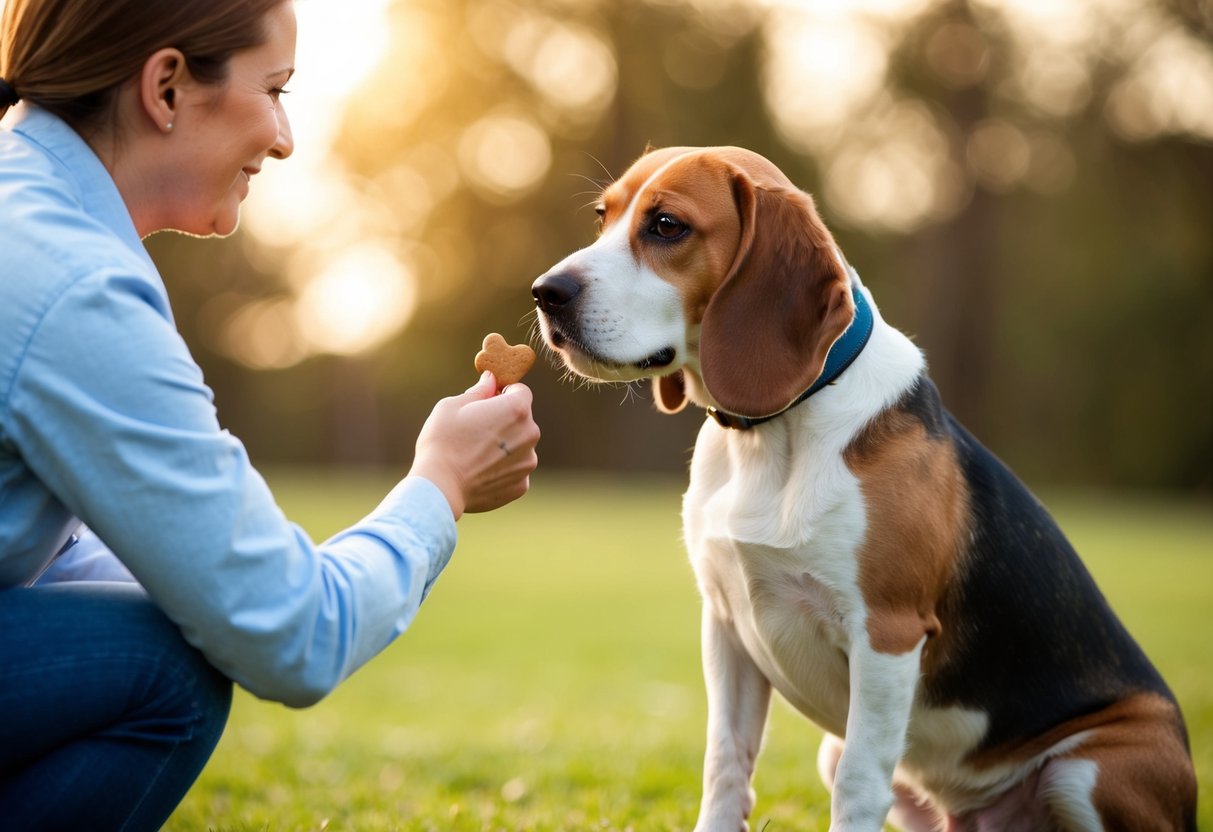
Training your Beagle using positive reinforcement is essential for developing a strong bond. This method encourages good behavior and creates a trusting relationship. Focusing on obedience training, promoting positive associations, and understanding how positive reinforcement influences attachment will help you connect with your furry friend.
The Role of Obedience Training
Obedience training is a vital part of raising a Beagle. Teaching commands like “sit,” “stay,” and “come” lays a foundation for good behavior.
These basic commands help establish your leadership and give your dog clear guidelines to follow.
Use short, fun training sessions that last about 5-10 minutes. Beagles can easily lose focus, so keeping it engaging is important.
Praise your Beagle when they respond correctly, using treats or their favorite toy as rewards. This creates a positive experience around training.
Promoting Positive Associations
Creating positive associations with you is key. When your Beagle associates you with fun and rewarding experiences, their attachment to you strengthens.
You can build this bond through playtime, training, and shared activities.
Incorporate treats and praise whenever your Beagle interacts with you or follows a command. For example, offer a reward after a successful training session or a fun game of fetch. This reinforces a positive connection that encourages more interaction and learning.
The Influence of Positive Reinforcement on Attachment
Positive reinforcement significantly impacts your Beagle’s attachment to you.
When you reward your dog for good behavior, it fosters trust and encourages more of the behaviors you want to see.
Over time, your Beagle will look to you for guidance, enhancing your bond.
Using treats, praise, or playtime consistently helps develop this relationship.
Make sure to reward your Beagle immediately after they perform a desired behavior to strengthen the link. This timely feedback helps them understand what pleases you, making them eager to learn and connect with you.
Managing Separation Anxiety in Beagles

Beagles can form strong attachments to their owners, which may lead to separation anxiety when they feel alone. Understanding the signs and taking steps to provide comfort can make a difference for your furry friend.
Identifying Signs of Separation Anxiety
Look for specific behaviors that indicate your beagle is struggling. Common signs include excessive barking, whining, and howling when you leave.
Your beagle may also pace or attempt to escape from a crate or room.
Other signs include destructive behaviors, such as chewing on furniture. Some beagles may also show signs of stress when you prepare to leave, like following you around or becoming clingy. Recognizing these signs helps you take action early.
Strategies for Preventing and Reducing Anxiety
To help your beagle, consider gradual desensitization. Start by leaving your dog alone for short periods and gradually increasing the time. This can help them learn that being alone is okay.
Positive reinforcement is also key. When your beagle stays calm while you’re away, reward them with treats or praise.
Another strategy is to provide engaging toys or puzzles to keep them occupied.
You may also want to explore training techniques that promote independence. Teaching your beagle to enjoy quiet time on their own can help reduce separation anxiety.
Ensuring a Sense of Security for Your Beagle
Creating a safe space is essential. You can set up a designated area where your beagle can feel secure, such as a cozy bed or a crate. Add familiar items like toys or clothing with your scent to provide comfort.
Routine is important too. You should establish a consistent daily schedule for feeding, walks, and playtime. Predictable routines can help your beagle feel more secure.
Consider using calming products, like anxiety wraps or pheromone diffusers. These can promote a sense of calm when you’re away. With a little effort, you can help your beagle feel safer and more secure when you need to leave.


