
Ever wondered about a small British bird with a red face? You’re probably thinking of the Lesser Redpoll.
This tiny finch shows off a streaky brown body and a bright red patch on its forehead. You’ll spot it in gardens and woodlands, especially when winter rolls in.
Male Lesser Redpolls have the boldest red markings. Females show a softer, more subtle red.
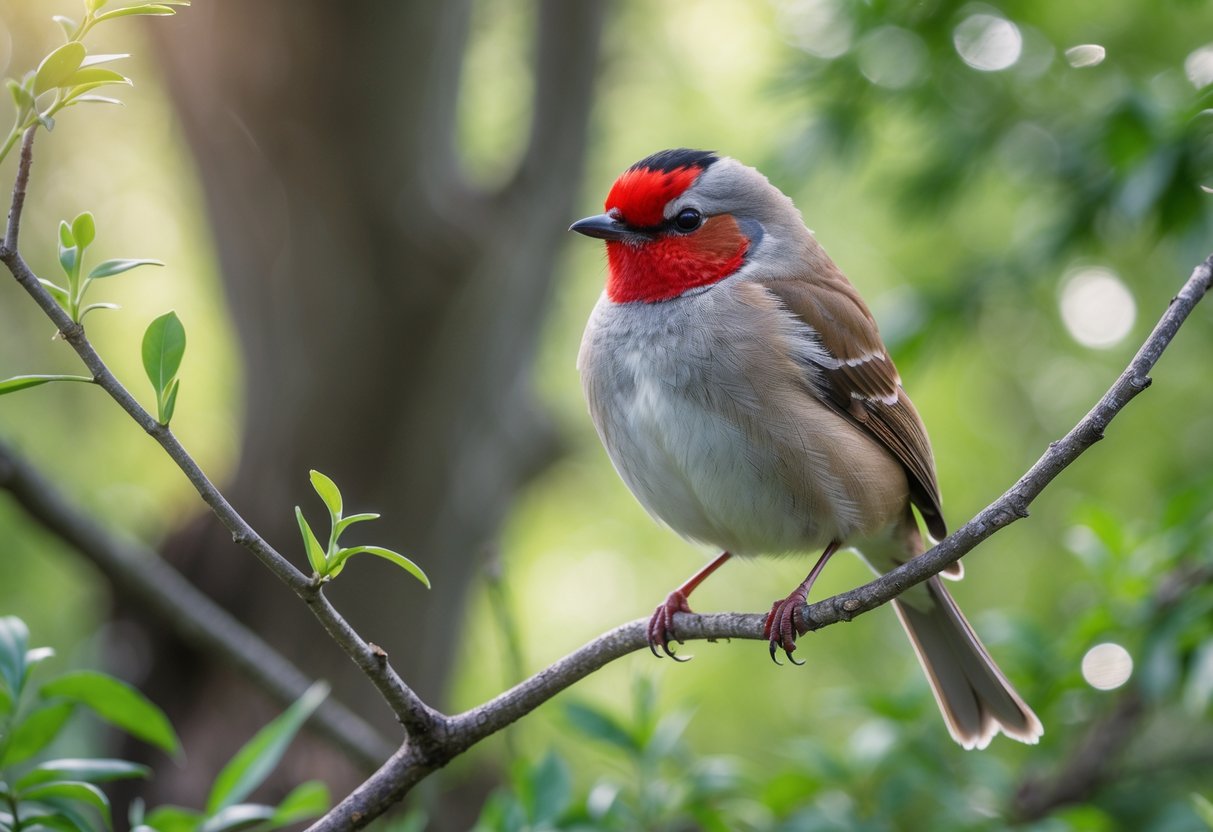
Goldfinches might also catch your eye near bird feeders. Males flaunt a vivid red face with black and yellow wings.
You’ll see these lively birds all over the UK, often right in your garden. They really bring a splash of color to the day.
If you’re just getting into birdwatching, learning about these birds can make your walks more interesting. Even the smallest birds add a bit of character to the outdoors. Want to dive deeper? Check out birds with red head in the UK.
Identifying the Small British Bird With a Red Face

You’ll recognize these birds by their bright red faces and unique wing patterns. Their look stands out from other small birds in your garden or local park.
Goldfinch: Appearance and Markings
Goldfinches are small, around 12cm long, and honestly, they’re pretty eye-catching. Their slender, pale bill and striking red face make them easy to spot.
The red blends around the eyes with a black cap and white patches, almost like a little mask.
Their back and breast have warm brown tones. You’ll see the black wings with yellow bars when they fly—those colors really pop.
Both males and females show these features, though the red face looks brighter on males. Juvenile goldfinches look different; they’re streaky brown and don’t have the red face yet.
Red Face and Other Key Features
The red face jumps out as the main feature. It covers the front and sides of the head and really stands out against the white and black.
This bold coloring helps attract mates during breeding season.
The bird’s back is soft brown, and the underbelly is white. Black around the face frames the red perfectly.
When you watch them, you’ll see their flight is quick and fluttery, with plenty of wing flicks.
Streaky Brown Body and Black Wings
If you spot a young or female goldfinch, the red face might not be so bright. Instead, you’ll see a streaky brown body.
That streaky look helps them blend in with twigs and leaves, keeping them hidden from predators.
No matter the age or sex, the wings stay mostly black with bright yellow bars. When they fly, those yellow stripes flash and make them easy to spot against the trees or sky.
Want more tips? Here’s a guide to birds with red heads in the UK.
Similar Birds With Red Markings in Britain

If you’ve seen a small British bird with a red face, you might also run into others with red markings. These birds often eat seeds and show off their colors in patches, especially on the head.
Some only have red on the males, while others use red for displays or attracting mates.
Lesser Redpoll: Characteristics and Comparison
You’ll find the Lesser Redpoll across the UK, mostly in winter. Males have a bright red patch on the forehead, while females show a duller red.
They’re tiny, weighing just 9-12 grams, and their streaky brown bodies help them stay hidden.
Redpolls love seeds and often visit garden feeders. You’ll see them in small flocks moving through woodlands and gardens.
The red face sets them apart from species like the Common Redpoll, which looks bigger and paler.
Lesser Redpoll numbers have dropped, so they’re now a Red List species. Protecting woodlands and seed-rich spots is key for their comeback.
Swallow and Its Red Face
Swallows can be tricky to spot since they zoom around so fast. Both males and females have a subtle red face on the forehead and throat.
They’re bigger than finches, about 17-19 cm long and weighing 16-25 grams.
You’ll mostly see swallows in the UK from spring to autumn. They build nests in barns or under eaves and spend their days catching insects in flight.
The red on their face isn’t as bright as a finch’s, but it gives them a sleek look with their blue-black backs and forked tails.
Swallows focus more on speed and agility than bold colors. Their red face just adds a soft touch to their fast-moving shape.
Pheasant and Other Red-Headed Visitors
If you think of red-headed birds, pheasants probably come to mind. Male pheasants have a green head with bright red facial wattles.
They’re much bigger than the little red-faced finches—up to 2 kg and nearly a meter long.
Pheasants usually live on farmland and in woodlands. People often release them for hunting, but some nest in the wild.
Their red wattles aren’t just on the face; they add a splash of color to their already striking feathers.
You might spot other red-headed birds like the Black Grouse, but the pheasant’s size and red wattles really make it stand out in the British countryside.
Distinctive Features of Woodpeckers and Linnet
You’ll spot red markings on the heads of several woodpecker species. The Great Spotted Woodpecker flashes a bright red patch on the back of the male’s head.
The Lesser Spotted Woodpecker looks smaller and only the males have a bold red crown. If you’re lucky, you might catch a glimpse of the European Green Woodpecker—it’s got a red crown and nape, plus a black “mustache” stripe that really stands out.
These woodpeckers usually hang out in woodlands. They spend much of their time hunting insects, not seeds.
You might hear their drumming echo through the trees as they communicate or stake out their territory.
Now, the Linnet—a small finch, kind of like the redpolls—sports a soft red breast and forehead. It’s a bit more subtle than the redpoll’s red face.
Linnets mostly eat seeds. You’ll often find them breeding in bushes and hedgerows, which adds a splash of red to the British bird scene.
If you’re trying to tell these birds apart, look for differences in size, where they hang out, and their red markings. For more help, the British Bird Identifier is a handy website to check out.


