
Let’s get right to it: seahorses really love tiny, soft prey they can slurp up with those long snouts. They go for small crustaceans like copepods and mysid shrimp.
These foods match a seahorse’s slow hunting style and delicate digestive system. Honestly, flashy big prey just isn’t their thing.
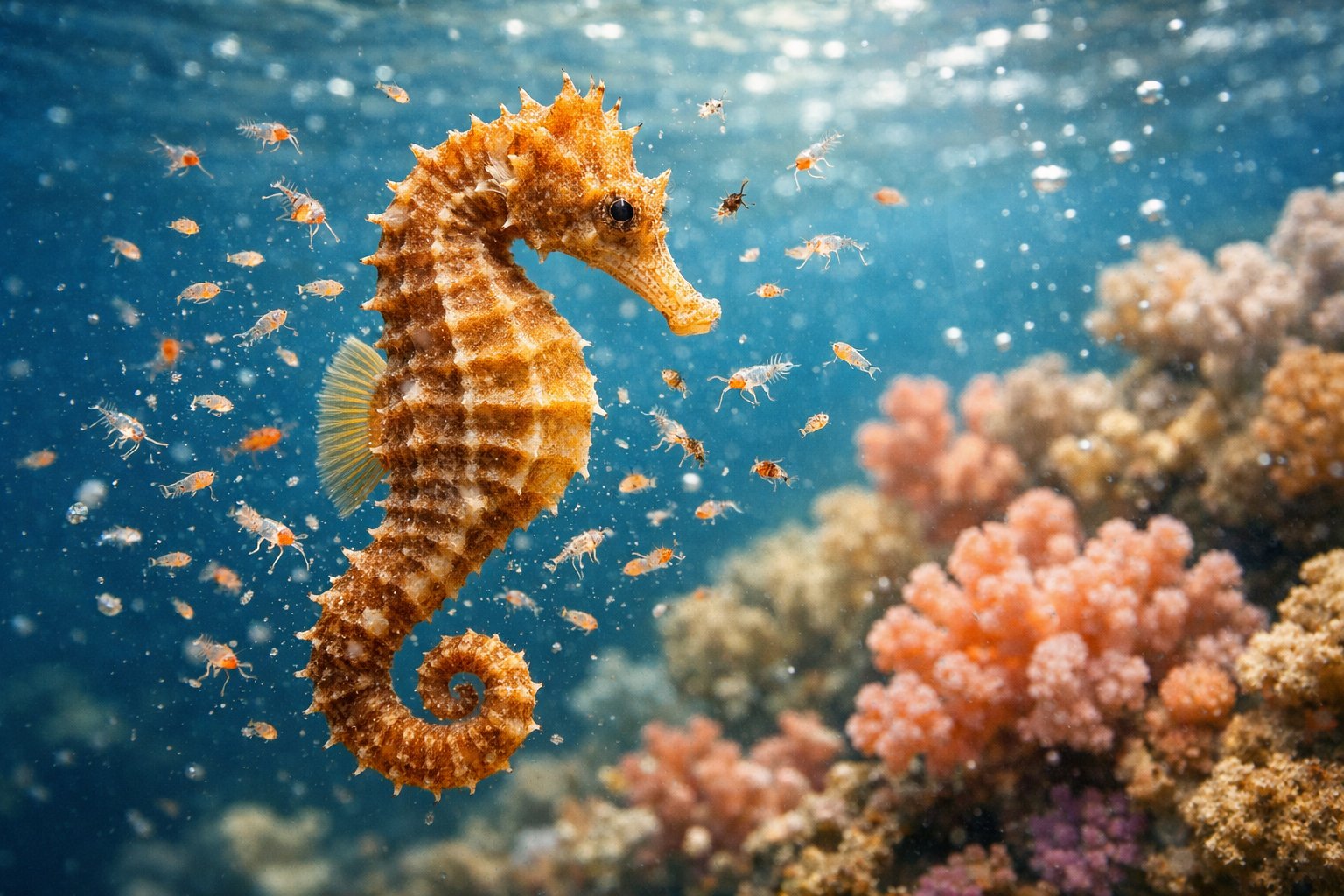
Picture a seahorse drifting in the seagrass, waiting for a tiny shrimp to wander by. That’s their patient ambush in action.
Curious why these snacks work so well for them? Their feeding habits shape their whole way of life.
What Is a Seahorse’s Favorite Food?

Seahorses munch on loads of tiny, soft critters that drift or swim slowly. They eat often because their bodies burn through food fast and they just can’t chase speedy prey.
Wild Seahorse Diet Essentials
Out in the wild, seahorses mostly pick at small crustaceans and plankton. You’ll spot them clinging to seagrass or coral, waiting for copepods, amphipods, or little mysid shrimp to float close.
These snacks give them the protein and fats they need to grow and keep moving. Since seahorses have no teeth and no stomach, they need soft, easy-to-swallow food.
Brine shrimp, rotifers, and other microcrustaceans work well for them. They eat all day because food shoots through their gut in no time.
Young seahorses rely on plankton and larval fish at first. As they grow, they switch to slightly bigger tiny crustaceans.
Favorite Tiny Prey: Copepods, Mysis Shrimp, and More
Copepods seem to be seahorse favorites. These tiny crustaceans fill up seagrass beds and reef edges and are just the right size for most seahorses.
Mysis and mysid shrimp (some people call them opossum shrimp) are another top pick. They’re packed with nutrients and pretty easy to catch.
Seahorses also go for amphipods, krill, grass shrimp, brine shrimp, and ghost shrimp fry. Zooplankton like rotifers and tiny crustacean larvae matter too, especially for the little guys.
Sometimes you’ll catch a seahorse nibbling on small sea snails or maybe swallowing a bit of phytoplankton by accident. In aquariums, lots of seahorses eat frozen or cultured versions of these foods if you train them.
Differences Among Seahorse Species
Not every seahorse eats the same stuff. Smaller species and babies prefer microcrustaceans like rotifers and copepods.
Bigger seahorse species can handle larger prey, such as grass shrimp, decapod larvae, or chunkier zooplankton like krill. Where they live changes things too.
Seagrass-dwelling seahorses eat more amphipods. Reef species usually take more copepods and mysids.
You might notice your local seahorse’s diet changes with the seasons if plankton blooms or shrimp larvae become more common. Seahorses with powerful snouts can slurp up slightly larger prey, while those in murky waters may go for slow worms or shrimp fry instead of darting larval fish.
How Seahorses Eat and Hunt for Food
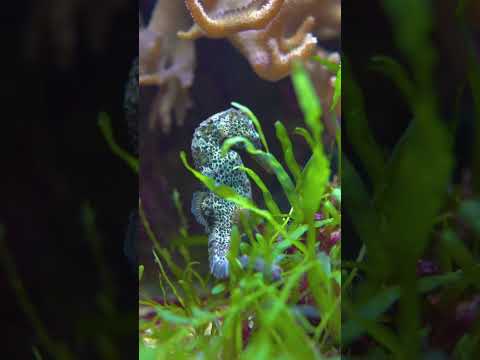
Seahorses hunt by sitting still and holding on with their tail, then sucking prey into their snout. They count on camouflage, patience, and quick strikes to get enough to eat.
Ambush Predator Strategies
You’ll see seahorses anchor themselves to seagrass, coral, or sponges with their tails to stay hidden. They use their colors and weird shapes to blend in, so little shrimp and copepods just wander right up.
When something tasty drifts close, a seahorse snaps its head forward and opens its snout lightning-fast. That creates suction and the prey disappears in a split second.
Since they’re not great swimmers, this ambush style suits their slow, sneaky approach. Camouflage also keeps them safe from predators while they wait.
In shallow or damaged habitats, seahorses might have fewer places to hide. That means they have to move around more, which can make finding food tougher.
Feeding Habits and Frequency
Seahorses don’t have a real stomach, so they snack on small meals all day. Adults eat dozens of times daily.
Baby seahorses, fresh out of the brood pouch, need to catch tiny live plankton and newborn brine shrimp almost non-stop to make it. Typical prey includes mysid shrimp, amphipods, copepods, and little larval fish.
You’ll probably notice a seahorse puffing at the water over and over to grab drifting snacks. Their diet shifts depending on species and where they live.
Seahorses in seagrass beds might eat different crustaceans than those on coral reefs. Since each strike only catches a tiny bite, finding enough food depends on where they hang out, how much prey is around, and how well they can stay hidden.
Feeding Adaptations in Captivity
If you keep seahorses, you’ve got to mimic their natural feeding setup. Offer live or well-trained frozen mysid shrimp and small copepods several times a day. Most folks feed them 4–6 times, or even set up small, continuous feedings so they can graze like they would in the wild.
With a bit of patience, hand-fed seahorses will start taking frozen food. Give them plenty of places to grab onto—rockwork or fake seagrass works great—so they can anchor themselves with those curly tails while they hunt.
Keep a close eye on baby seahorses. They start off needing live microfood and can’t just switch over from brood pouch nutrition right away; it’s a slow transition.
Try not to crowd your tank, and keep the lighting gentle. Wild-caught seahorses often lose their appetite because of habitat damage or bad water, so quarantine and slow acclimation really help them get back to eating normally.


