
Maybe you imagine lions prowling around nonstop, but honestly, they spend most of the day asleep or just lounging around. Yep — lions usually sleep during the day, sometimes for 18–20 hours, so they’re ready for those cooler, more successful hunts at dawn and dusk.

Heat, hunting, and social life all play into when lions nap or move around. Keep reading if you’re curious about why these big cats are such champion nappers in the wild.
Do Lions Sleep During the Day?
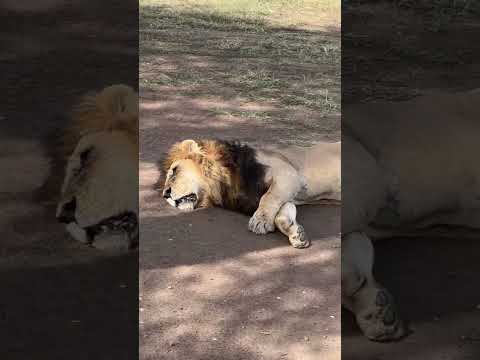
Lions spend a ton of daylight hours resting to save energy for hunting and social stuff later. Let’s dig into how long they sleep, why those daytime naps matter, and when they switch from lazy to lively.
Average Hours Lions Sleep in a Day
Lions usually sleep about 15 to 20 hours a day. Young lions or adults recovering from a huge meal or injury might sleep even more, while those busy defending territory or hunting could get by with a bit less.
Their sleep isn’t all deep — it’s a mix of deep sleep, light naps, and lots of quiet rest where they’re still alert to sounds around them.
Reported sleep hours can vary by study and location. If lions live in captivity with easy meals and no threats, they tend to sleep even more than wild lions.
Researchers in African savannas often spot lions lying around or dozing in the shade for most of the day.
Daytime Resting and Energy Conservation
Lions rest during the day to save up energy for those short, intense hunts. If you’ve ever seen a lion snoozing while the sun blazes, that’s why — chasing prey burns a ton of calories, so long breaks keep their energy bills down.
Heat definitely matters too. Lions usually stay put through the hottest part of the day, then get active once things cool off.
Resting together in a pride helps too. More lions can relax while just a few keep an eye out for trouble.
Day Versus Night: When Are Lions Most Active?
Lions are crepuscular and nocturnal, mostly. You’ll catch them at their busiest at dawn, dusk, or in the middle of the night.
Those hours are cooler and, honestly, better for hunting since prey animals are moving around then.
At night, lions hunt with stealth, quick sprints, and teamwork. Once they score a meal, they eat a lot and then flop down for long daytime rests to digest and recharge.
If you want to see lions hunting, your best bet is early morning or after sunset — not smack in the middle of the day.
Check out this deeper dive into why lions sleep so much if you’re curious.
Factors Shaping Lion Sleep Patterns

Lions rest a lot, mostly because of heat, hunting, and their social lives. These things change how and when a lion decides to sleep.
Environmental Influences on Daytime Sleep
Hot days on the African savannah push lions to chill in the shade. You’ll often spot them stretched out under trees or hidden in tall grass, steering clear of the harsh noon sun.
Resting like this helps them avoid losing water and keeps their energy for evening hunts.
Prey behavior also shifts lion sleep. If prey moves at night, lions nap through the day.
In places with people or fences, lions might switch to even more night-time activity, which changes when they nap.
Seasons matter, too. During the dry season, lions often sleep longer at midday because hunting gets tougher and the heat ramps up.
When it’s cooler, lions might be up and about more during the day.
Social Dynamics and Sleeping Habits in Prides
Pride size and roles shape sleep. Female lions, who do most of the hunting, nap in between hunts.
Males spend time guarding territory and usually take shorter, lighter naps so they can patrol or mark boundaries when needed.
Sleeping close together keeps the pride bonded and helps protect the cubs. You’ll see lions piled up during the day — it’s cozy at night and means they can jump up fast if there’s danger.
The top lions usually grab the best shade, which leaves others with less comfy spots.
Group hunting means lions often rest at the same times. If several females plan a hunt at night, they’ll rest in the afternoon to save up energy.
When there’s tension, like a new male showing up, sleep gets lighter and more broken for a while.
Age, Health, and Individual Differences
Young cubs definitely sleep way more than adults. You’ll probably spot cubs grabbing lots of quick naps all day, trying to grow and save up energy.
As lions get older, their sleep starts to look more like what you’d expect from adults.
Older or injured lions act a bit differently. If a lion gets hurt, it usually sleeps extra to heal up. Chronic illness, though, can make their sleep restless and shallow.
Lions in their prime, especially the hunters, tend to take longer, deeper naps. They need that rest to power up for those wild bursts of speed.
Personality matters, too. Some lions just like long, solo naps, while others stick with whatever the pride is doing.
If you watch them for a while, you’ll start to notice these sleep quirks. Each lion’s routine becomes pretty clear after a few days.


