
When you picture a lion’s roar, you probably think of sheer power. You hear it in movies and zoos, but out in the wild, that sound actually matters: it marks territory, warns off rivals, and helps the pride stick together.
Yep — lions really do roar, and it’s their way of claiming space, keeping in touch with family, and flexing for competitors.

So, how do lions make that huge sound? Why does it carry so far? And what are they really saying to each other? You’ll get a peek into the mechanics of the roar and the social reasons behind it, so next time you hear one, maybe you’ll catch the meaning.
How and Why Lions Roar
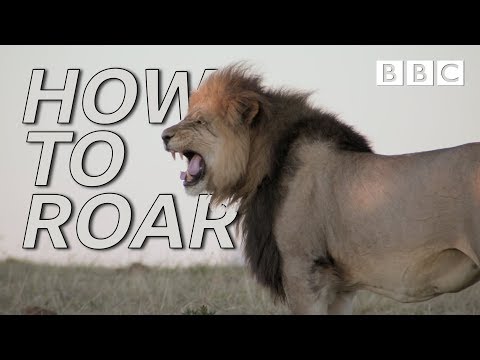
Lions mix anatomy and social needs to create those powerful sounds. Their vocal organs work in unique ways, and their roars aren’t quite like those of other big cats.
You might be surprised by just how loud a lion can get, and how far that sound travels.
Anatomy of a Lion’s Roar
A lion’s larynx and vocal cords do most of the work. The larynx in lions is bigger and tougher than in most cats, which gives their roar that deep, chesty quality.
Strong muscles around the larynx let lions shape the pitch and length of each call. When a lion pushes air from its lungs, the vocal cords vibrate.
The wide, flexible throat and large chest cavity act like a natural amplifier, making the sound even bigger. This setup lets lions hold those long, low rumbles that roll across the plains.
You’ll notice their skull shape and sinus cavities also play a part. These change the sound’s texture and help the roar travel without fading out.
Unique Sounds Among Big Cats
Big cats don’t all roar the same way. Lions, tigers, leopards—they each have their own style.
Lions stand out with their signature calls. Scientists break down their vocalizations into moans, grunts, full-on roars, and those in-between sounds.
Intermediary roars are shorter and a bit higher in pitch than the classic roar. These differences let lions (and honestly, anyone listening) figure out what’s being said—whether it’s a warning, a call to regroup, or maybe even a mating call.
Both male and female lions roar, but males usually produce the loudest, deepest sounds, especially when it’s about territory.
Each call feels like a message—shaped by both the lion’s body and its social needs. It’s not just a single “roar” sound, but a whole language.
Intensity and Range of the Roar
When a lion really lets loose, its roar can hit about 114 decibels up close. That’s about as loud as a rock concert, if you can imagine standing right next to the speakers.
That power helps the roar travel up to 5 miles (8 kilometers) across the savanna, especially at night or when the wind’s calm. The lower, deeper parts of the roar actually carry best, letting other lions pick up on who’s out there.
The farther the sound goes, the quieter it gets, but it still works as a clear signal. It tells rivals to stay away and lets pride members know where everyone is.
Lions don’t just roar whenever—they pick their moments, usually at dawn, dusk, or during the night, when their voices carry the farthest and matter most.
Check out more on this: Why lions roar affects territory and pride behavior in ways researchers describe at Britannica (https://www.britannica.com/science/Why-Do-Lions-Roar) and new studies on distinct roar types reported by the BBC (https://www.bbc.co.uk/newsround/articles/c93npq5vedyo).
Roaring Behavior and Its Role in Lion Society
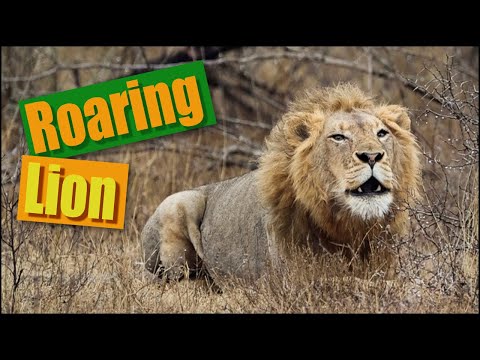
Lions roar for a few clear reasons: to mark territory, keep the pride together, and show where everyone stands in the group.
Each roar depends on who’s roaring, where they are, and what’s going on at the time.
Territorial Marking and Defense
When a male lion roars, you can hear it echo across the savanna. That sound warns other males to stay away and lets everyone know which pride controls the area.
Males usually go for their loudest roars at dusk and dawn, when the air’s still and sound travels far.
Roaring goes hand in hand with scent marks and scratch marks on trees. These signals cut down on fights by sending a clear message early on.
If a rival ignores the warning, things can get ugly fast, with coalitions of males jumping in to defend their turf.
Communication Within the Pride
Roars help the pride stay in touch, especially when they’re spread out hunting or resting. Lionesses might be scattered, but a roar brings everyone back together for a hunt or a meal.
Different sounds mean different things. Long, deep roars say “I’m here,” while shorter calls help coordinate movement nearby.
Pride members recognize each other’s voices. That helps avoid mix-ups, like fighting over food or finding the wrong cub.
Both males and females use these calls, but males usually save their loudest roars for big announcements.
Social Bonding and Hierarchies
Roaring isn’t just about territory—it also keeps the pride’s social order in check. Dominant males roar to show off and keep other males from trying anything.
Within the pride, vocal exchanges help keep bonds strong among the lionesses and their cubs.
You’ll hear roaring during group moments, like defending a kill or moving as a unit. These sounds remind everyone who’s in charge and who’s following.
Subtle changes in volume or timing can hint at age, health, or rank. So roaring isn’t just noise—it’s a big part of how the pride figures itself out each day.
Impact of Habitat and Conservation
Habitat loss really changes how and why lions roar. When their territory shrinks, they end up roaring more often, which sparks more disputes.
People and their noise often drown out the lions’ roars. That makes it tough for pride members to find each other, and honestly, it just leads to more risky run-ins.
Conservation groups try to protect connected land, so roars can still echo through safe spaces. You might hear about protected corridors or community projects that help reduce problems with humans.
When people keep habitats intact, lions can keep using their roars to communicate and survive.


