
You can keep a seahorse as a pet, but honestly, it takes steady time, the right tank, and a lot of attention to feeding. If you move at their slow pace—keep the water stable, maintain a gentle flow, and offer frequent small meals—seahorses can actually thrive in a home aquarium.
This post will help you figure out if you’re up for the challenge and explain how to set up a tank that makes seahorses feel at home.

You’ll find out what to look for before bringing one home, how to arrange the tank and water flow, and what daily care really involves. If you’re after a peaceful, hands-off pet that needs specific care, stick around to see what matters most.
Key Considerations Before Keeping a Seahorse as a Pet

Seahorses need steady water, lots of small meals, and tanks with places to grip. Pick the right species and always go for captive-bred animals if you can.
Are Seahorses Suitable Pets?
Seahorses are peaceful creatures, but honestly, they’re pretty fragile. You’ll need to keep saltwater conditions stable, the water flow gentle, and feed them protein-rich foods like frozen mysis shrimp or live copepods—often.
If you travel a lot or forget daily chores, seahorses probably aren’t a great choice. Expect to feed them two or three times a day and watch water parameters closely: temperature should stay between 72–77°F, salinity at about 1.020–1.025, and pH between 8.1–8.4.
Since they don’t have stomachs and digest food quickly, missing even a meal can be a big problem. They’re happiest in pairs or small groups of the same species.
Skip fast or aggressive tankmates that might outcompete them for food. Captive-bred seahorses handle aquarium life and frozen foods much better than wild-caught ones.
Legal and Ethical Considerations
Laws about seahorse ownership change depending on where you live. Some Hippocampus species are protected, so check your local wildlife rules before you buy.
You might need permits for import or even just to keep them in some places. Ethically, always buy captive-bred seahorses if possible.
Wild-caught ones usually don’t do well in aquariums and can bring in parasites. Captive-bred animals adapt to frozen foods and live longer, healthier lives at home.
Some species, like Hippocampus kuda, face a lot of pressure from collection. Supporting responsible breeders and sellers really does help wild populations.
Seahorse Species for Home Aquariums
Not every seahorse belongs in a home tank. The most manageable species are Hippocampus erectus (lined seahorse) and Hippocampus kuda.
Dwarf seahorses like Hippocampus zosterae stay tiny, but their care is even more demanding—probably best left to experienced keepers.
Let’s compare a few:
- Hippocampus erectus — medium size, does well in temperate tanks.
- Hippocampus kuda — tropical, larger, prefers warmer water.
- Hippocampus zosterae — very small and delicate, needs constant tiny prey.
Pick a species that fits your tank size and the climate where you live. Always start with captive-bred seahorses—they learn to eat frozen mysis and just do better overall.
Essential Care and Tank Setup for Seahorses
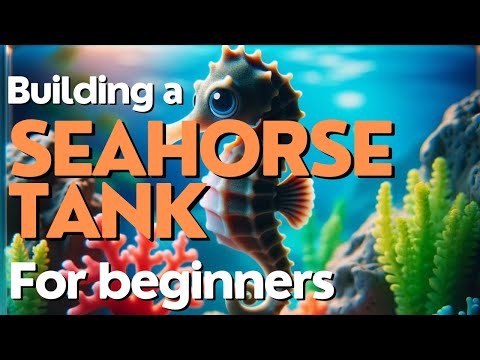
Seahorses need a calm, tall saltwater tank with steady water quality, gentle flow, and plenty of small meals. You’ll need to add secure hitching points, reliable filtration, and feed them things like mysis shrimp or copepods to keep them healthy.
Seahorse Tank Requirements
Pick a tank that holds at least 30 gallons for a pair—bigger is always better for stable water. Choose a tall tank, at least 24 inches high, so seahorses can swim up and down and grab onto decor.
Use soft sand as a substrate to protect their tails and skin. Add lots of hitching spots—live rock, artificial seagrass, or tall silk plants all work. Stay away from sharp corals or rough decorations.
Keep the lighting moderate. Seahorses do fine with low or medium light unless you want to keep live corals.
If you add corals, match the light and water flow for them, not the seahorses. Hide all pumps and heaters behind rocks so the current stays gentle.
Water Quality and Filtration
Aim for stable water: temperature between 72–78°F, salinity at 1.020–1.025, and pH from 7.8–8.4. Test ammonia and nitrite every week—both should always be zero.
Keep nitrate under 20 ppm by doing regular water changes. Use a filter that gives you strong biological filtration but keeps flow gentle where the seahorses swim.
A mix of live rock for biological filtration and a sponge filter or refugium helps keep things calm and supports tiny food like copepods and rotifers.
Do a 10–20% water change every week. Rinse mechanical filter media regularly but don’t overdo it with the biological stuff.
A refugium with live rock or macroalgae can boost copepod populations and help keep water chemistry steady. Use a good test kit and jot down your readings.
Feeding and Nutrition
Feed adult seahorses two or three times a day. Juveniles need four to six meals, so get ready for a lot of feeding.
Give them mostly mysis shrimp (live or frozen). You can add in some enriched brine shrimp now and then, but don’t rely on it.
If you can’t culture live mysis, frozen is a solid staple. For variety, offer copepods and rotifers, especially for tiny or picky eaters.
Soak frozen foods in supplements or vitamins to make sure they get enough fatty acids and nutrients. Use a feeding station or target-feed so seahorses don’t miss out or lose food to faster tankmates.
Always remove uneaten food quickly to keep water clean. Watch how they eat—if they slow down or seem weak, that’s usually a red flag for stress or illness.
Compatible Tank Mates
Go for peaceful species that eat slowly and can handle low water flow. Small gobies, some blennies, and pipefish usually fit the bill since they like similar foods.
Skip fast, pushy fish—think tangs or big wrasses—since they’ll just muscle in at mealtime and leave your seahorses hungry.
Steer clear of reef fish that might nip or mess with the spots where seahorses like to hitch. If you’re set on live corals, stick with hardy soft corals that don’t need a ton of current.
Never put dwarf seahorses in with bigger seahorse species. Their size and feeding habits just don’t match up.
Add new tank mates one at a time and watch how everyone eats. Try to pick animals that won’t gobble up all your copepods and rotifers, especially if you’re raising babies or have picky seahorses.


