
You probably feel the pull of the lion’s story the second you hear “king of the jungle.” That phrase isn’t just about size or a loud roar—it’s about leadership, presence, and the lion’s deep roots in art, stories, and nature.
A lion gets its royal image through strength, social leadership, and a long history of symbolic power across cultures.

As you move through this post, you’ll see how the lion’s real-life traits blend with storytelling to shape that royal image. One famous musical and film helped spread this idea around the world.
You’ll get clear examples from nature, culture, and performance that show why the lion keeps its crown in people’s minds.
The Lion as King in The Lion King
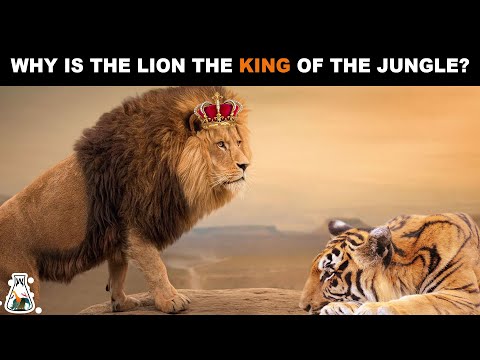
Kingship shapes characters, rules the Pride Lands, and drives conflict. You see duty, family ties, and what happens when power gets stolen.
Symbolism of Kingship and the Circle of Life
Kingship means duty and balance in the Pride Lands. Mufasa stands for order—he protects prey and predators so the land stays healthy.
The phrase Circle of Life pops up in scenes, songs, and Rafiki’s rituals. It shows how birth, death, hunting, and leadership connect.
Visual symbols reinforce this idea. Pride Rock rises above the plains like a throne and marks rightful rule.
Sunrises, animal migrations, and Mufasa’s carved image remind you that a king must keep nature in balance. Scar and the hyenas mess up the circle by overhunting and letting the land go barren.
You see kingship as both a responsibility and a sacred role. It demands strength in battle and care for smaller animals.
That mix makes the lion more than a hunter—it turns him into a guardian.
Royal Characters: Mufasa, Simba, and Pride Rock
Mufasa acts like a king—brave, wise, and strict when he needs to be. He teaches Simba how to watch over the Pride Lands, how to listen to Zazu, and how to respect life.
Mufasa’s death changes everything. It shows the cost of leadership and the danger when the throne falls.
Simba grows from a curious cub into a leader. You watch him lose his place, live in exile with Timon and Pumbaa under the hakuna matata life, and then return to claim Pride Rock.
Nala and Sarabi push him toward responsibility. Rafiki’s guidance and Mufasa’s memory help Simba accept his role.
Pride Rock stands as the seat of power and a symbol of legitimacy. When Scar takes over, the Pride Lands decay.
When Simba returns, animals come back and life returns. Pride Rock tells you who rules and how that rule affects the whole ecosystem.
Leadership and the Role of the Lion
A lion king leads by example and law. Mufasa shows courage in rescue and judgment in disputes.
He sets rules that protect the weak and limit hunting. Leadership shows up in daily decisions: who eats, where animals live, and how territory gets defended.
Simba’s leadership changes over time. He learns that strength alone doesn’t make a good king.
Listening to advisors like Zazu and Rafiki matters. He reconnects with the pride—Sarabi, Nala, and others—to rebuild trust after exile.
Good leadership in the story means teaching the next generation. Mufasa teaches Simba about lineage and duty.
Later, Simba guides Kiara and Kion, showing that kingship is also about mentorship and long-term stability for the Pride Lands.
The Power Struggle: Scar, Exile, and Return
Scar uses cunning and teams up with the hyenas—Shenzi, Banzai, and Ed—to grab power. He plans Mufasa’s death and blames Simba, letting you see how fear and lies can topple a rightful king.
His rule brings overhunting, famine, and chaos across the Pride Lands.
Exile shows what happens when legitimacy disappears. Simba lives apart, adopting hakuna matata with Timon and Pumbaa, which frees him but also delays responsibility.
Nala’s arrival and Rafiki’s challenge force Simba to face the past and remember Mufasa’s lessons.
The return feels both military and moral. Simba confronts Scar, exposes his betrayal, and takes back Pride Rock.
Restoring the throne brings back the Circle of Life: prey returns, the grass grows, and hyenas get chased out. The power struggle makes it clear—rightful rule depends on truth, courage, and care for the land.
Impact and Legacy of the Lion King
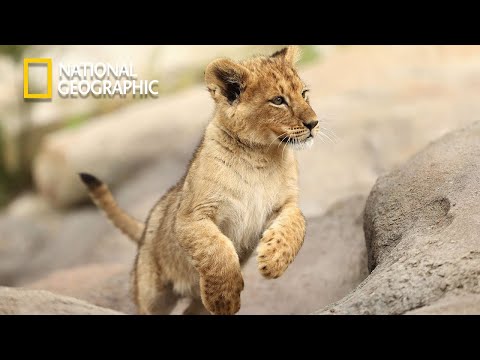
Let’s look at how the film shaped culture, music, and new stories. The movie’s reach stretches from theaters to stage, TV, and streaming.
Cultural Influence and Box Office Success
You can see the movie’s reach in real numbers and honors. Walt Disney Pictures released the animated film in 1994, and it quickly became one of the highest-grossing animated films ever.
It earned nearly a billion dollars worldwide through Buena Vista Pictures Distribution. That helped cement Disney’s place during its animation renaissance.
The film’s cultural footprint goes way beyond ticket sales. It entered the National Film Registry at the Library of Congress for its cultural significance.
The story and characters—Mufasa, Simba, Scar—are now tied closely to Disney’s brand. The movie also inspired TV shows and spin-offs on Disney+.
Theme-park shows like Festival of the Lion King keep the film alive for new audiences.
Iconic Songs and Voice Cast
You’ll recognize the key songs and voices instantly. The soundtrack mixed Elton John and Tim Rice’s songs with Hans Zimmer’s score, earning Academy Awards and tons of radio play.
Songs like “Can You Feel the Love Tonight” and Scar’s “Be Prepared” became signature pieces that drive emotional scenes and stage adaptations.
The voice cast really made the characters stick. James Earl Jones gave Mufasa a deep, steady presence.
Matthew Broderick and Jonathan Taylor Thomas voiced adult and young Simba. Jeremy Irons played Scar with such sharp menace.
Supporting voices—Nathan Lane, Ernie Sabella, Whoopi Goldberg, Rowan Atkinson, Cheech Marin, Jim Cummings, and others—added comic and dramatic layers. The film’s power comes as much from those performances as from the visuals and music.
Spin-Offs, Sequels, and Broadway Adaptation
You can trace a surprising number of new works back to the original.
The franchise branched out with sequels and spin-offs, like The Lion King 1½ and TV series such as The Lion Guard.
Disney rolled out prequels and related projects, including Mufasa: The Lion King, plus Disney+ shows that dig deeper into the characters’ stories and timelines.
Live theatre brought the story to life in a whole new way.
The Broadway adaptation wowed audiences with its creative puppetry and choreography.
It even picked up multiple Tony Awards, reaching people who never caught the film in theaters.
Theme-park shows and long-running productions have kept the story in the spotlight.
Producers and creative teams—folks who shaped the development and production—kept evolving the franchise over the years.
It’s kind of wild how one animated film ended up growing into such a sprawling, multi-platform legacy.


