
You might picture a lion towering over a wriggling snake and think the lion wouldn’t feel fear. Lions aren’t usually afraid of snakes, but they act with caution—venomous bites can hurt or even kill them. Let’s dig into how lions, other big cats, and young pride members deal with snakes, and why being careful matters more than freaking out.

You’ll see how snake risks shape lion behavior, why snakes almost never end up on their menu, and how experience and social learning shape a pride’s reaction. I’ll throw in some links and examples to show when a snake is a real threat to panthera leo and when it’s just a minor nuisance.
Are Lions Afraid of Snakes?
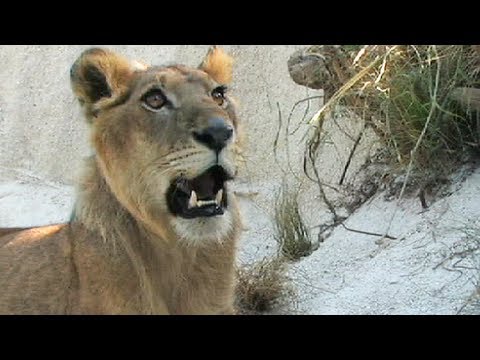
Lions usually act cautious around snakes, but they don’t panic. You’ll see them avoid or stomp at snakes more often than just bolt away, since a snake bite can be deadly.
Instincts and Reactions to Venomous Snakes
When a lion spots a venomous snake, it reacts on instinct. You might notice a lion freeze, circle, or lift a paw before moving. Those moves help it judge the snake’s distance and avoid getting bitten.
Adult males and older pride members tend to stay the calmest. They use their size to keep the snake at a safe distance. Cubs watch and learn; if a young lion gets too close, it might get bitten, so experience really counts.
Lions almost never hunt snakes for food. If a lion kills a snake, it’s usually just to get rid of a risk, not for a meal. Venom matters more than fear—a puff adder or cobra can do real damage, so lions give them extra respect.
Comparison: Lions Versus Other Potential Threats
Honestly, snakes are a pretty minor threat compared to humans, rival prides, or big herbivores. Humans cause most lion deaths through hunting and habitat loss.
Competing males and hyenas can injure or kill lions during fights for territory or food. Snakes can hurt a lion with one bite, but they don’t hunt lions. Big herbivores like buffalo or elephant calves can also injure lions during hunts.
So, lions stay apex predators and “king of the jungle” in most situations, but they don’t mess around with venomous snakes.
Encounters Between Lions and Snakes in the Wild
Out in the wild, lions usually avoid getting too close to snakes. You might see a lion swipe at a snake with a paw, stomp, or just back away slowly. If the snake is small or nonvenomous, a lion might ignore it or kill it without a second thought.
Cases where snakes kill lions are rare, but it happens if a highly venomous snake lands a good bite. Out in the field, researchers see lions learn from close calls—survivors get more careful, and cubs pick up those habits by watching. For more on how lions handle snakes in different situations, check out general discussions of lions’ caution around snakes.
Risks, Diet, and Conservation Context
Lions mostly go after big mammals and avoid small, risky animals. Here’s why snakes almost never show up in a lion’s diet, what venom and other dangers mean for lions, and why conservation matters for both lions and snakes.
Why Snakes Are Rarely Lion Prey
Lions hunt medium to large animals like zebra, wildebeest, and buffalo. These prey give them way more calories for the energy spent hunting.
Snakes are small and don’t provide much meat. Lions hunt mostly by sight and rely on teamwork at night or dawn. Snakes are usually hidden, quick, or just plain hard to spot, so catching them isn’t easy. Even if a lion finds a snake, the risk of getting bitten usually isn’t worth it.
You might see a curious cub or an adult bat at a snake once in a while, but it’s not common. Research and field reports say lions don’t eat snakes regularly, unlike some other predators that go for reptiles.
Lion Vulnerabilities: Venom and Other Dangers
Venomous snakes can injure or kill smaller predators. A bite can cause swelling, tissue damage, or worse, making it tough for a lion to hunt for days. Cubs and smaller or injured lions are at higher risk—they just can’t handle toxins as well.
Lions have other problems too: wounds from buffalo or giraffe kicks, infections from bites, and fights with hyenas or rival lions. These injuries can lead to disability or even death if they don’t heal right. Lions’ thick fur and skin help a bit with snake bites, but they aren’t immune.
Vet studies and park reports show even top predators like lions can get hurt by disease and venom. Those risks shape how lions act, making them extra careful around strange reptiles and risky prey.
The Importance of Wildlife Conservation
Conservation keeps ecosystems balanced, letting both lions and snakes thrive. If we protect grasslands and savannas, prey herds stick around for lions, so they don’t have to hunt risky or unusual prey. Have you looked at regional threat patterns? They show how human activity shapes lion populations in Africa.
People put a lot of pressure on wildlife—habitat loss, poaching, and conflict with livestock owners all shrink lion populations and split up their territories. Lions end up in riskier areas, which leads to more dangerous run-ins with people, livestock, and other animals. Conservation programs try to cut down on these conflicts and save important habitats.
You can get involved by supporting protected areas, backing community programs that prevent livestock losses, or helping anti-poaching efforts. These steps help keep apex predators like lions around, maintain healthy prey populations, and look after the bigger web of life—including snakes.


