
If you think seahorse pregnancy sounds like something out of a nature documentary, you’re not wrong. But honestly, it’s pretty straightforward: most male seahorses are pregnant for about two to four weeks, and warmer water usually shortens that time.
That’s the gist before we get into the details of how it all works.

We’ll get into why males carry the eggs, how things like temperature or species can change the timeline, and what’s actually going on inside the brood pouch while the baby seahorses grow.
Knowing a bit of background here makes the rest of this stuff a lot more interesting, honestly.
How Long Does a Sea Horse Stay Pregnant?
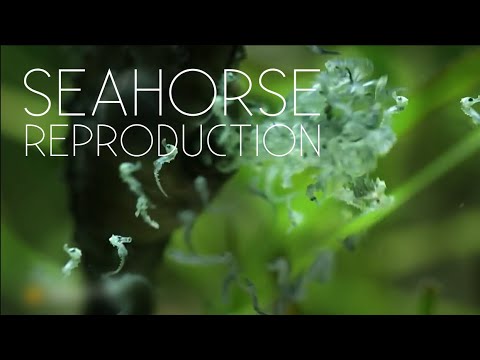
Male seahorses carry eggs in their brood pouch after the female passes them over. The exact pregnancy length depends on the species and water conditions, so it can be anywhere from about 10 days up to several weeks.
Gestation Period by Species
Different seahorse species have different pregnancy timelines. The tiny dwarf seahorse (Hippocampus zosterae) usually carries eggs for about 10–14 days.
Larger species, like the big-bellied seahorse (Hippocampus abdominalis), sometimes carry young for up to four or even six weeks. Most common seahorses fall somewhere between two and four weeks.
If you’re keeping seahorses, it’s a good idea to check care guides for your specific species. Size, brood size, and local water temperature all play a role in how long gestation lasts.
Smaller species tend to have shorter pregnancies, while bigger ones hang onto their young a bit longer.
Environmental Factors Affecting Pregnancy Length
Water temperature makes a big difference for embryo development. Warmer water speeds things up and can shave days or even weeks off the pregnancy.
Cooler water slows everything down, so the pregnancy lasts longer. Oxygen levels and water quality matter, too.
If oxygen is low or the water isn’t great, the male can get stressed and delay giving birth. Food availability for the parents can affect timing as well—if the parents are weak, they might not support the embryos as well.
If you’re watching a pregnant seahorse, keep an eye on temperature and make sure the water stays clean. That helps things stay on track.
Stages of Seahorse Gestation
Pregnancy starts when the female drops her eggs into the male’s pouch and he fertilizes them. At first, the male supplies oxygen and nutrients through a membrane in the pouch.
In the middle of the pregnancy, the embryos start to show features like tails and eyes. The male adjusts the pouch’s salinity and pumps water to help the fry get ready for seawater.
Toward the end, the male’s pouch contracts and he works pretty hard to give birth. He can release hundreds of fry in bursts that sometimes last for hours.
Once the fry are born, they’re on their own. The parents don’t stick around to help.
If you want to dig deeper into species differences and typical timelines, check out the reproductive habits of seahorses.
Male Seahorse Pregnancy and Reproduction

Male seahorses take fertilized eggs into their pouch, control embryo development, and eventually give birth to live young. Here’s how they mate, how the pouch works, what birth actually looks like, and how seahorses stack up against their relatives.
Mating Ritual and Egg Transfer
Seahorse courtship can go on for hours and usually includes color changes, tail holding, and a lot of synchronized swimming. The female uses her ovipositor—a narrow tube—to push eggs into the male’s brood pouch.
Males and females might repeat this over a few days, so one male could end up carrying several batches. Timing seems to matter; many species get especially active before dawn, and water temperature affects how quickly the eggs develop after transfer.
Pairs sometimes form short-term bonds and can mate repeatedly during a breeding season. You’ll often see the male pump his pouch to accept eggs while the female displays to get his attention.
Brood Pouch Function and Anatomy
The brood pouch sits on the male’s belly and seals up to protect the eggs. Inside, a special lining supplies oxygen and removes waste, kind of like a mammal’s placenta.
Blood vessels grow close to the eggs to help with gas exchange and nutrients. Some species have simple, open pouches; others have fully closed ones with muscular walls.
You can look at pouch anatomy to guess how many eggs a male can carry—bigger males usually carry more embryos. The pouch also adjusts salinity and may even help fight off pathogens during development.
Birth Process and Newborn Care
When the embryos are ready, the male contracts his pouch muscles and pushes the fry out. Birth can take just a few minutes or go on for hours, depending on the species.
He might release anywhere from a few dozen to over a thousand tiny seahorses. You’ll probably notice a lot of shaking and tail movements as he works to expel the young.
Newborn seahorses are completely independent. They drift and feed on tiny plankton like copepods and newly hatched brine shrimp, if you’re raising them in captivity.
Survival rates are low in the wild, so males often brood lots of offspring in hopes that a few will make it to adulthood.
Comparison With Related Species
Seahorses belong to the Syngnathidae family, which also includes pipefish and seadragons.
Pipefish males usually carry eggs along their bellies or under skin folds. Sometimes, you’ll see eggs in open slits instead of a sealed pouch.
Seadragons don’t have a pouch at all. Females attach eggs directly to a brood patch on the male’s tail.
These differences affect brood size and how much protection the young get. Parental roles shift a lot between these species.
If you keep seahorses, you’ll want to pay attention—pouched species need different tank setups and feeding routines than pipefish or seadragons.
Every group in this family shows some version of male pregnancy. Still, the pouch types and care strategies really do vary quite a bit.


