
As a dog owner, you may wonder what happens if you skip those daily walks with your furry friend. Not walking your dog can lead to physical and mental health issues, like weight gain, boredom, and even anxiety. Dogs need regular exercise to stay happy and well-adjusted, just like we do.

When you take your dog out for a walk, it’s not just about exercise; it also stimulates their mind and helps them socialize. Without that time outside, dogs can become restless and display destructive behaviors. This can turn into a cycle of frustration for both you and your pet.
If life gets busy and daily walks seem impossible, remember that even short walks a few times a week can make a difference. Your dog relies on you for this essential activity, so prioritizing their exercise is important.
Physical Health Effects
Regular walks are essential for your dog’s health. When they miss daily walks, it can lead to several physical health issues, impacting their overall well-being.
Obesity and Weight Management
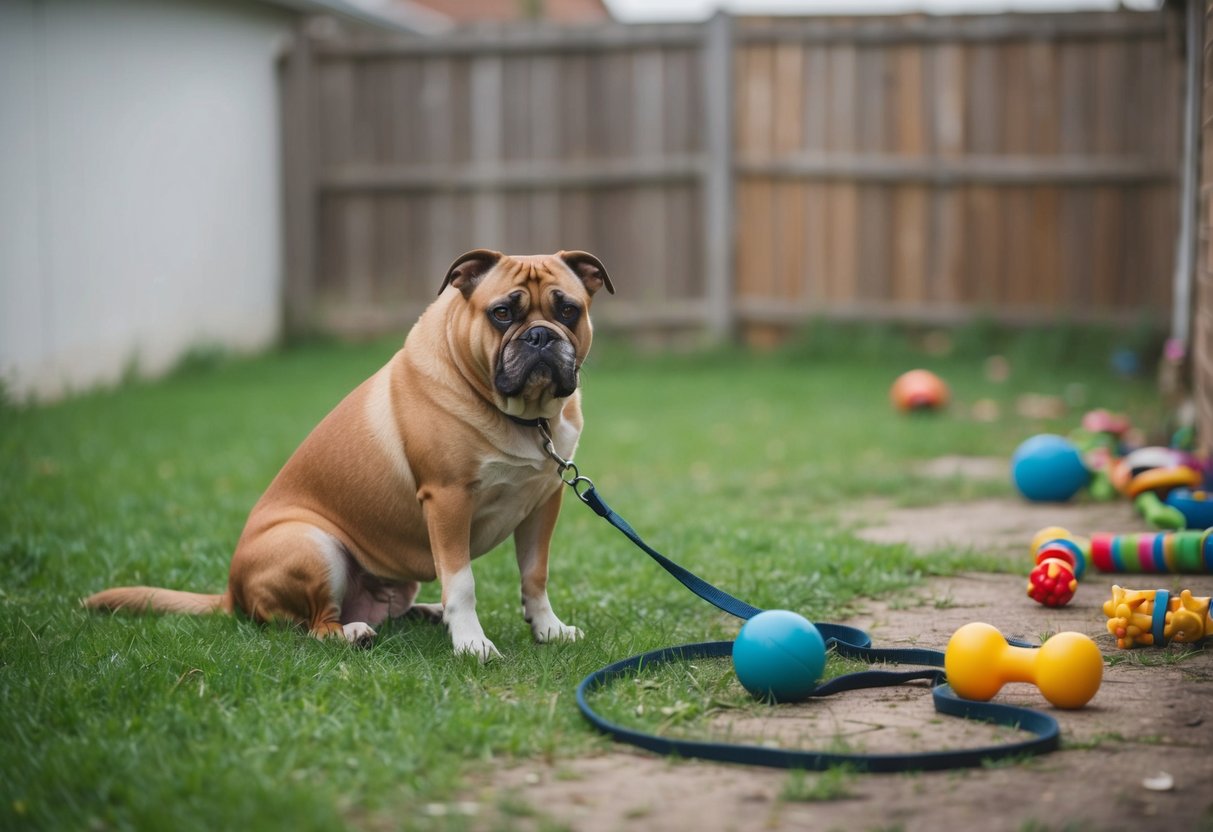
Without regular exercise, your dog is more likely to gain weight. This weight gain can lead to obesity, which brings many health problems. Obesity can strain your dog’s heart and joints, leading to conditions like arthritis.
Keeping your dog active helps maintain a healthy weight. A balanced diet is important, but exercise is key to burning calories. Ensure your dog gets at least 30 minutes of physical activity each day.
By adding walks to your routine, you help prevent obesity and promote a healthier lifestyle for your furry friend.
Digestive Health Concerns
Daily walks can improve your dog’s digestive health. Lack of exercise can lead to digestive issues, such as constipation or sluggish bowel movements.
Physical activity stimulates digestion by encouraging regular bowel movements. Without sufficient exercise, your dog may experience discomfort or more serious digestive problems.
Making time for walks can help prevent these issues and keep your dog’s digestion functioning smoothly. A happy, active dog is less likely to face these common health concerns.
Behavioral Impact of Inadequate Exercise
When dogs do not get enough exercise, their behavior can change in ways that can be concerning for you. A lack of daily walks can lead to destructive behaviors, increased anxiety, and even aggression. Let’s explore these topics in more detail.
Potential for Destructive Behavior
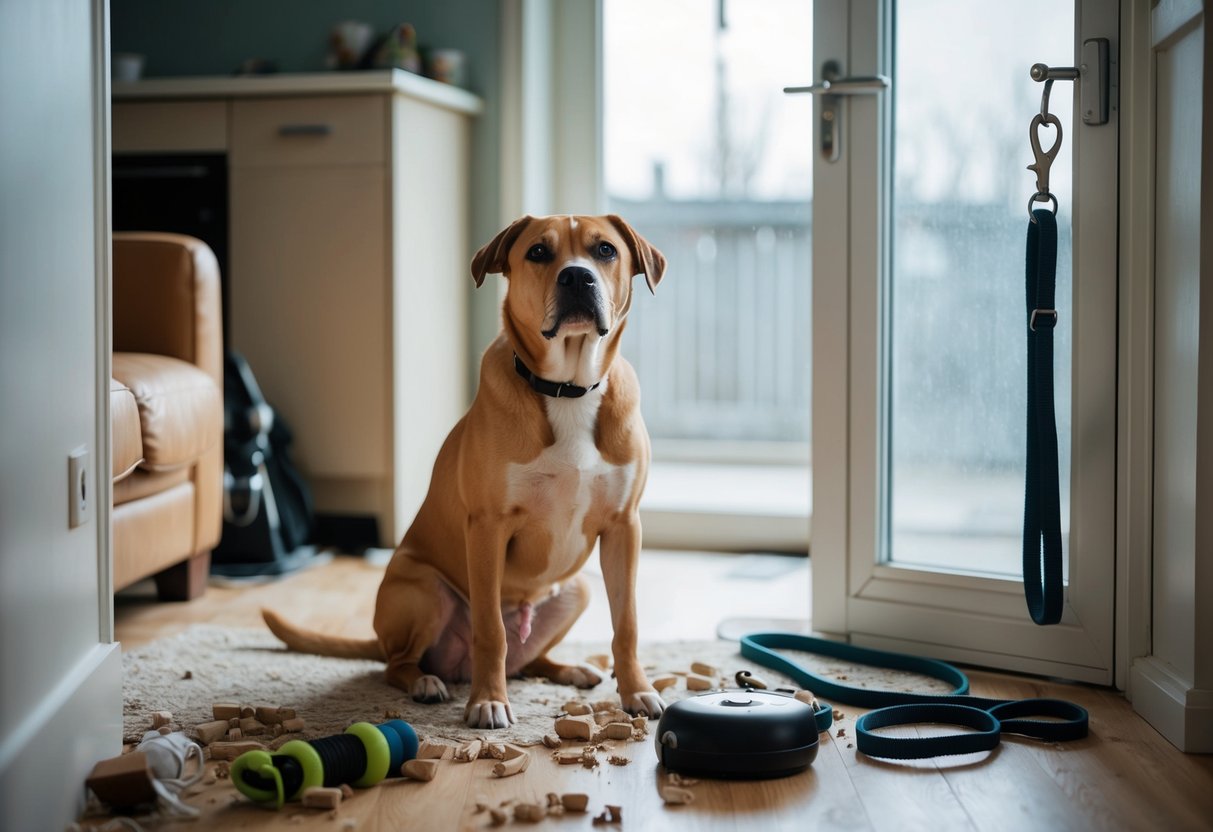
Without regular exercise, your dog may find other ways to release pent-up energy. This can lead to destructive behavior, such as chewing on furniture, digging in the yard, or ripping apart shoes.
High-energy dogs often require more stimulation than others. If they don’t get daily walks, they may resort to these behaviors out of boredom. Keeping your dog engaged with playtime and exercise is crucial.
Providing toys that challenge your dog mentally can help redirect this energy. Simple things like puzzle toys or chew toys can keep them busy and lessen the chances of destructive habits forming.
Risks of Increased Anxiety and Aggression
Regular walks help to reduce stress and anxiety in dogs. If your dog misses out on this exercise, they might start showing signs of anxiety. For instance, they may pace around the house, whine, or seem restless.
In some cases, inadequate exercise can lead to increased aggression. Your dog might become easily irritated or more defensive around new people and animals. This shift in behavior is often linked to frustration from pent-up energy.
Maintaining a consistent walking routine can help keep your dog calm and comfortable in different situations. It is essential for their emotional well-being.
The Challenge of Excessive Barking and Separation Anxiety
A lack of physical activity can also result in excessive barking. When dogs do not get enough exercise, they often bark more to express frustration or boredom. This can be especially challenging if you live in a close community where noise might disturb others.
Additionally, dogs that don’t get enough exercise may develop separation anxiety. They can become overly attached and show distress when left alone. This can include behaviors like barking, whining, or even attempting to escape.
Creating a balanced routine with regular exercise can help mitigate these issues. Engaging your dog in activities before leaving them alone can also ease their anxiety and promote better behavior.
Mental Health and Emotional Well-being

Not walking your dog every day can lead to important changes in their mental health and emotional state. Regular exercise and stimulation play a crucial role in keeping your dog happy and healthy. Let’s explore the effects of a lack of physical activity on your furry friend.
Depression and Lethargy in Dogs
If your dog isn’t getting daily walks, you might notice signs of depression. Symptoms can include decreased energy, lack of interest in play, and excessive sleeping. Your dog may become withdrawn and less responsive to your interactions.
This lethargy often stems from boredom and the absence of physical activity. Like humans, dogs need regular movement to lift their moods. Without walks, they may feel trapped and anxious, leading to further emotional issues. Attention to these signs can help you improve your dog’s quality of life.
Importance of Exercise and Stimulation
Regular exercise is vital for your dog’s mental health. Walks provide more than just physical benefits; they also stimulate your dog’s mind. New sights, sounds, and smells make walks exciting and engaging.
Engaging in physical activities can reduce anxiety and promote happiness in dogs. It helps prevent negative behaviors, such as chewing furniture or digging. Setting a routine that includes daily walks can improve your dog’s general well-being. Aim for at least 30 minutes to an hour each day to keep your furry friend content.
Socialization and Training Considerations
Regular walks are important for your dog’s social skills and training. These outings provide unique opportunities for exercise, weight management, and interaction with other dogs. Engaging with the environment helps them learn and develop their behavior.
Developing Social Skills at the Dog Park
Taking your dog to a dog park is a great way to enhance their social skills. Here, they can meet other dogs and people. This interaction helps them learn how to communicate effectively with their peers.
When you visit the park, observe your dog’s behavior. Does your dog play well? Is your dog shy or overexcited? These can indicate areas needing improvement.
Regular visits also help with exercise and weight management. Playing with other dogs keeps them active. Make sure to supervise their playtime. Then, teach them basic commands like “sit” and “stay.” This ensures everyone enjoys the fun safely.


