
You may wonder, is it cruel not to walk your dog every day? The answer isn’t as simple as a yes or no. While regular walks are beneficial for most dogs, not walking them daily does not automatically make you a bad owner. Understanding your dog’s needs is key.
Dogs thrive on attention and physical activity, but each one is different. Some breeds require more exercise than others.
Depending on your dog’s lifestyle, a fenced yard or playtime can be just as good as a walk. It’s important to provide your dog with the right balance of activity and socialization for their happiness and health.
You have the power to make choices that suit your dog’s needs. Finding ways to engage with your dog, whether through walks or play, helps ensure they stay happy and healthy.
Understanding Dogs’ Exercise Needs
Knowing your dog’s exercise needs is key to their health and happiness. Different dogs require different amounts and types of exercise.
Factors like size, age, and energy levels all play a role in how much daily activity your dog needs.
Benefits of Regular Walks for Dogs
Regular walks keep your dog physically fit and mentally stimulated. They help control weight and reduce the risk of obesity. Walks also promote good digestion and healthier joints.
Moreover, daily exercise helps prevent behavioral issues. Dogs that don’t get enough exercise may become bored and engage in destructive behaviors. Walks provide a chance for socialization, letting your dog encounter other pets and people.
You should aim for at least 30 minutes to two hours of exercise each day, depending on your dog’s needs. Keeping a consistent routine can help them stay healthy and happy.
Exercise Requirements for Smaller vs. Larger Dogs
Smaller dogs often need less exercise than larger breeds. For instance, small dogs like Chihuahuas may thrive on 20 to 40 minutes of playtime or walks. However, they also enjoy bursts of energy and activities like fetching.
On the other hand, larger dogs generally demand more exercise. Breeds like Labrador Retrievers usually need at least an hour of activity each day. This could include walks, runs, or playing in a yard.
You can adjust exercise based on your dog’s age and health. Senior dogs require gentler activities. Take their capabilities into account to provide the best routine for their wellbeing.
The Psychological Impact of Walking on Dogs
Walking your dog is more than just exercise; it plays a vital role in their mental health. Regular walks provide essential mental stimulation and promote opportunities for socialization. Both aspects significantly contribute to your dog’s emotional well-being.
Mental Stimulation and Behavioral Health
When you take your dog for a walk, they experience new sights, sounds, and smells. This variety offers the mental stimulation they need to stay engaged and happy.
A lack of mental stimulation can lead to boredom, anxiety, and even destructive behaviors. Keeping your dog active encourages positive behavior and helps them feel more balanced and content.
Some signs that your dog needs more stimulation include:
- Excessive barking
- Chewing furniture or belongings
- Pacing or restlessness
Regular walks provide your dog with a chance to explore their surroundings and keep their minds sharp.
Socialization Opportunities During Walks
Walks are excellent chances for your dog to meet other dogs and people. Socialization is crucial for a dog’s development and can prevent fear-based behaviors.
When your dog encounters other animals or people, they learn how to interact appropriately. This positive exposure helps them become well-adjusted companions.
To enhance socialization during walks, consider these tips:
- Allow your dog to greet other friendly dogs.
- Visit dog parks for more interaction.
- Attend local dog events.
By integrating social experiences into your daily walks, you enrich your dog’s life and support their overall happiness.
Practical Dog Walking Tips
Walking your dog is an important part of pet ownership. Establishing a routine and having the right gear can make this experience enjoyable for both you and your furry friend.
How to Establish a Walking Routine
Setting a regular walking schedule is key. Try to walk your dog at the same time each day. This helps your dog know when to expect exercise.
Start with short walks and gradually increase the time as your dog gets used to it. Aim for at least 20 to 30 minutes a day.
You can also use commands like “let’s go” to signal it’s time for a walk. Reward your dog with treats or praise to make these outings fun. Remember to carry along poop bags to clean up after your dog to keep your community tidy.
Essential Walking Gear for Pet Owners
Having the right gear makes walks easier and more enjoyable. Here are some essentials:
- Collar or Harness: Ensure it fits well. A harness is often the best for pulling dogs.
- Leash: Choose a strong, comfortable leash, about six feet long is ideal.
- ID Tags: Make sure your dog’s ID tag is up to date in case they get lost.
- Poop Bags: Always bring these to clean up. They are essential for responsible pet ownership.
Investing in gear like reflective vests can keep you and your dog safe during early morning or evening walks.
Consulting a Professional
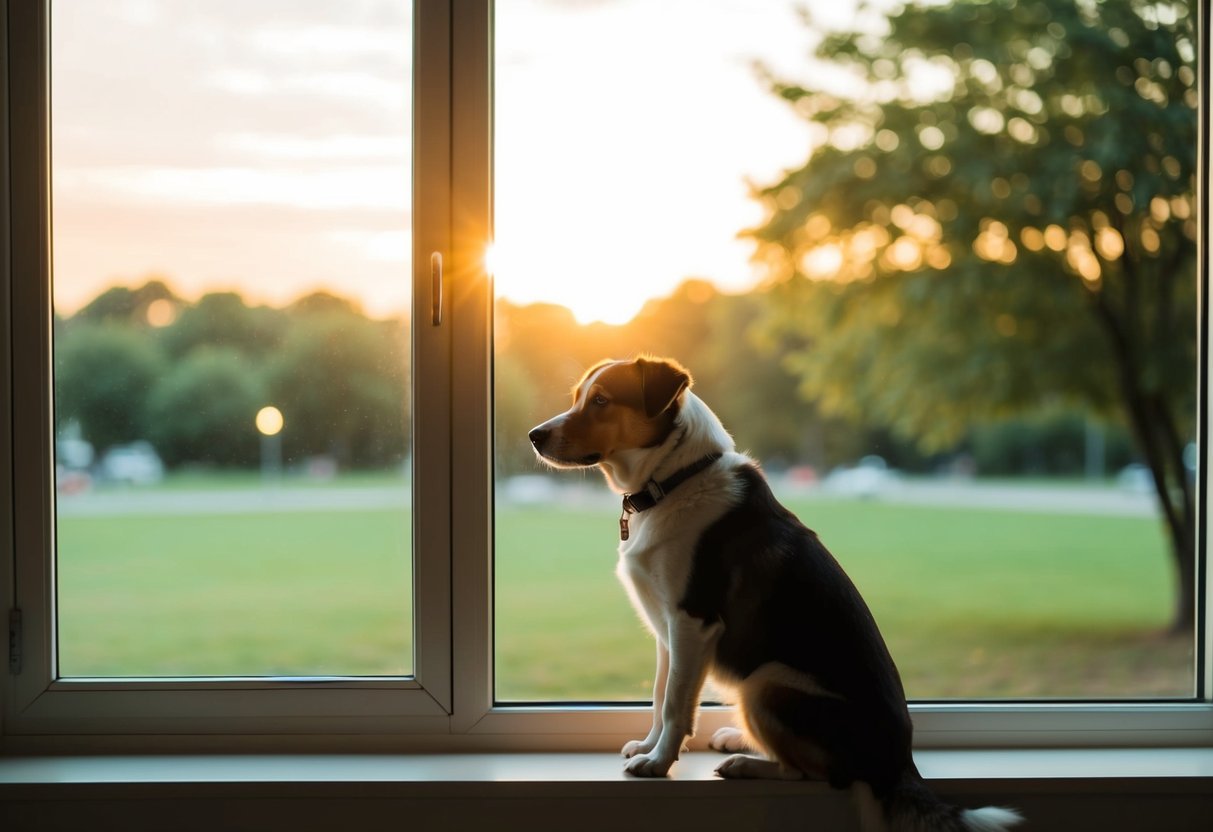
Sometimes, understanding your dog’s needs can be challenging. Consulting a professional, like a dog trainer or veterinarian, can offer guidance to ensure your pet stays healthy and happy.
When to Seek Advice From a Dog Trainer
You should consider reaching out to a dog trainer if your dog shows signs of stress or anxiety when not getting daily walks. Signs like excessive barking, chewing, or digging could stem from boredom or lack of exercise.
Another reason to consult a trainer is if you’re unsure about your dog’s exercise needs based on its breed. Some breeds require more activity than others, and a trainer can help create a tailored exercise plan.
If you’re struggling to manage your dog’s energy levels or behavior during walks, a trainer can also teach you effective techniques. Their expertise can help you build a solid routine that benefits both you and your pet.


