
So, what actually happens if a bee bites you? Honestly, it just feels like a quick pinch—maybe a little annoying, but nothing dramatic. It’s not nearly as painful as a sting. Bees don’t inject venom when they bite, so the reaction’s usually mild. Most bee bites just leave you with minor discomfort and no lasting marks.

You might spot a bit of redness or swelling where the bee bit you, but it usually fades on its own. I’d still suggest cleaning the area, just to avoid any infection.
Knowing the difference between a bee bite and a sting can help you stay calm and treat your skin right.
Some bees sting while others bite, and understanding that can make you feel a bit safer around them. If you’re curious about how these encounters affect your skin, and what you should do, let’s get into what really happens when bees bite.
What Happens If a Bee Bites You?
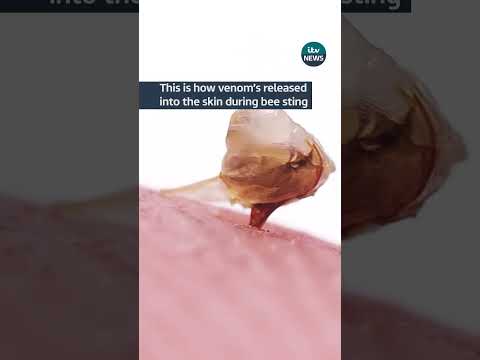
When a bee bites you, it feels different from a sting. You’ll probably notice a quick, sharp discomfort, but it fades pretty fast.
It’s good to know how bites work and what signs to watch for right away. Sometimes, bites can cause more serious problems, but that’s rare.
How Bee Bites Differ From Stings
A bee bites you by pinching your skin with its jaws. It’s just a brief, mild pinch and doesn’t usually leave a mark.
Unlike a sting, the bite doesn’t inject venom. Stings come from a sharp part on the bee’s body that pushes venom under your skin.
Stings hurt a lot more and usually cause swelling or redness because of the venom. Bites, though, are milder and much less likely to cause a strong reaction.
Some bees, like carpenter bees, bite more often, but honestly, it’s still pretty uncommon compared to stings.
Immediate Symptoms of a Bee Bite
Right after a bee bite, you’ll feel a quick pinch. The area might turn a bit red or itchy, but it usually stays mild.
You might see a small bump or some slight swelling, but it shouldn’t get big or painful. If it’s a bite, you won’t see the classic white spot or stinger left behind like you do with stings.
You’ll probably just notice some irritation from the jaws pinching your skin. Washing the area with soap and water and using a cold compress can help with the redness and swelling.
Allergic Reactions and Medical Risks
Most people don’t have any real trouble with bee bites if they aren’t allergic. But some folks can have allergies to bee bites or stings, which might trigger something serious called anaphylaxis.
That’s a strong allergic reaction and could cause throat swelling, trouble breathing, dizziness, or a rash that spreads. If you notice things like trouble breathing, swelling beyond the bite, or you feel faint, get emergency help right away.
If your reaction is mild, you can usually treat it at home with antihistamines to cut down on itching and swelling. Always keep an eye out for warning signs after any bee bite or sting, especially if you know you have allergies.
If you want more details on how to spot and treat bee bites and stings, check out this guide on biting bees, dangers, risks, and prevention.
Types of Bees and Their Bite Behaviors

Bees defend themselves in different ways. Some go for the sting, but others might use their jaws to bite.
Knowing which bees do what can help you stay safe and know what to expect if you get bitten.
Honeybees and Biting
Honeybees usually sting to defend themselves. But, believe it or not, they can bite with their mandibles too.
The bite just feels like a quick pinch and rarely causes much pain. Honeybee bites don’t happen often and most people don’t even notice them, since the sting is their go-to move.
When a honeybee stings you, it leaves its barbed stinger in your skin. That hurts and can swell up.
Biting is just a backup defense. You’re way more likely to get stung than bitten by a honeybee if it feels threatened.
Their bites don’t usually leave marks or cause any real harm.
Stingless Bees and Mandibles
Stingless bees, as you might guess, don’t have stingers. So, they rely on biting with their strong jaws when they feel threatened.
If one bites you, it might feel sharp or like a little pinch, depending on the bee’s size. These bees mostly live in tropical areas and aren’t aggressive.
The bite can surprise you, since you don’t expect it to hurt without a sting. But there’s no venom, and it won’t cause big problems.
You might see some redness or mild swelling, but it goes away fast.
Carpenter Bees and Other Varieties
Carpenter bees look bigger than honeybees, and honestly, their jaws pack quite a punch. If you bother a female carpenter bee, she might bite—usually just to warn you off.
That bite feels a lot like a strong pinch, and you’ll probably see a little mark afterward. Unlike honeybees, carpenter bees don’t die after biting since they don’t use barbed stingers.
Bumblebees and sweat bees can bite too, but you don’t see it as often. Sweat bees mostly stick to stinging, while bumblebees seem to decide on the spot.
It’s good to know these differences, right? That way, if you run into a bee, maybe you won’t panic.
Want more info? Check out this guide on biting bees and prevention tips.


