
When you spot bees swarming around your house, they’re probably searching for a new place to settle. Bees swarm because their old hive feels crowded or doesn’t have enough food, so a chunk of the colony follows the queen to start over somewhere else. It’s just how bee populations grow and spread.

You might see a big cluster of bees on a tree, a wall, or right near your home. Honestly, it can look a bit intimidating, but swarming bees are usually just taking a break and won’t stick around for long.
Understanding why they swarm makes it easier to stay calm and know what’s really going on.
If you’re curious about what to do when bees show up near your house or how to keep everyone safe, stick around for some quick tips and facts.
Why Do Bees Swarm Around Your House?

Bees swarm around houses because they’re hunting for a new home. This happens when their old hive feels cramped or when the queen decides it’s time for the colony to split and move. Knowing this helps you figure out what the bees are up to.
Understanding Bee Swarm Behavior
Swarming is just how bees reproduce and keep their colony healthy. When things get tight in the hive or food starts running low, the queen heads out with a crowd of worker bees to find a better spot.
The swarm gathers somewhere—maybe your yard—while scouts search for a permanent home.
Swarming usually happens in warmer months, when flowers bloom and bees are busy collecting pollen and nectar. If you see a swarm near your house, the bees are just in transition mode, not out to bother you.
Causes of Swarming Near Homes
Bees pick spots near houses because they find good places to build hives—trees, roof eaves, or wall cavities. Your house might have sheltered nooks that look perfect to them.
Old or crowded hives push bees to leave for more space. If their home gets too packed or something damages it, swarming gives them a fresh start.
The queen’s presence can trigger the colony to split, helping them grow stronger.
To make your house less attractive to bees, close windows and keep trash covered. Bees often check out places with food and shelter.
Bee Colonies Seeking New Locations
When a swarm leaves, the queen leads the group while scout bees hunt for a safe, dry spot. They want somewhere protected from the weather, with small openings and room to expand.
The swarm might pause on your property as they decide. Usually, they’re calm and won’t sting unless you disturb them.
Once they pick a spot, the swarm moves on and builds a new hive.
If you realize bees are just looking for a home, it’s easier to stay relaxed when you see a swarm nearby. You can learn more at this friendly guide to bee swarms.
What To Do When Bees Swarm Your House
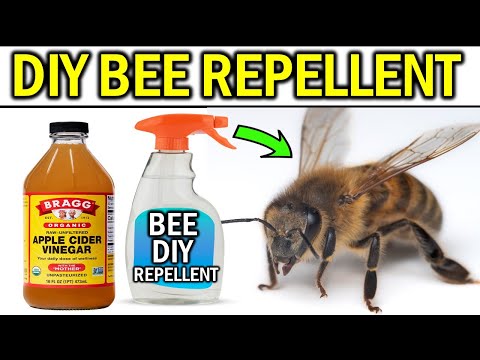
If bees start swarming your house, try to stay calm and think things through. You want to keep everyone safe while you handle the situation.
Knowing when to step in yourself and when to call for help really matters.
How To Safely Respond To Bee Swarms
If you spot a bee swarm, don’t try to mess with them. Swarming bees aren’t usually aggressive, but they’ll sting if they feel threatened.
Keep your windows and doors closed so bees don’t wander inside. Stay quiet and avoid sudden movements near the swarm.
If you have to go near the bees, wear light-colored clothes and skip the perfume. Keep pets and kids away, and watch for any bees sneaking into your house around vents or chimneys.
Skip the sprays and insecticides—those just make bees angry and aren’t great for the environment.
When To Call Beekeepers Or Beekeeping Associations
If the swarm sticks around or gets inside your house, call a local beekeeper or beekeeping group. Beekeepers know how to safely move and relocate bees.
Many will remove swarms for free or a small fee. They can also help protect the hive from diseases like varroa mites and keep the bees healthy.
If you’re allergic to bee stings or the swarm is in a tricky spot, like a chimney or wall, definitely call a professional.
You can find local beekeepers online or ask your neighborhood garden center for recommendations.
Preventing Bees From Moving In
Start by sealing up any cracks or gaps in your walls, rooflines, or chimneys. Bees love squeezing into tiny openings to build their hives.
Keep your trash cans tightly closed. Try not to leave sugary drinks or food sitting outside—bees seem to have a radar for that stuff.
Trim back plants or trees that touch your house. Bees often cluster in those spots. Take a few minutes now and then to check for new nests in places they might like.
If you spot a hive nearby, you might want to call a beekeeper. They can check for varroa mite infections, which sometimes make bees swarm more than usual.
Curious for more ideas? Check out how to stop bees from swarming your house.


