
If you want to avoid bee stings, the color you wear really matters. Light colors like white, beige, or light brown help you blend in and make bees less likely to see you as a threat.
Dark shades like black, brown, or red tend to make bees feel uneasy. They might sting if they think you’re dangerous.

You might not realize it, but bees rely on their vision to figure out if something’s safe or risky.
Picking the right colors can let you enjoy the outdoors with fewer worries about stinging insects. Want to know which shades to skip and why light ones work best around bees? Let’s dig in.
How Color Influences Bee Attraction and Repellence
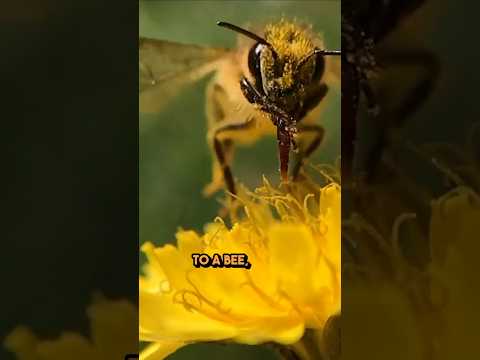
Colors actually matter a lot to bees and other pollinators. Some colors make bees curious and draw them in, while others keep them at bay.
If you know which colors bees like or avoid, you’ll feel more at ease outside.
Why Bees Are Drawn to Certain Colors
Bees go for colors that look like flowers they want to visit. They especially love blue, purple, and violet—those shades usually mean nectar.
Yellow flowers attract bees too, just not quite as much as purple ones.
Bright, bold colors catch a bee’s eye because they think it means food. You’ll see bees buzzing near vivid flowers more than dull ones.
If you wear these colors, bees might mistake you for a flower and come over to check you out.
Colors Bees See Best Versus What They Avoid
Bees don’t see colors the way we do. They rely on ultraviolet (UV) light, which we can’t see, and they can’t really see red.
To a bee, red just looks dark, so it doesn’t pull them in.
If you stick with white, pale, or light colors, you won’t stand out to bees. These colors reflect more light and don’t look like flowers to them.
Bees tend to steer clear of dark colors like black or brown because those shades remind them of predators or danger.
| Colors Attract Bees | Colors Repel or Avoid Bees |
|---|---|
| Blue, Purple, Violet, Yellow | White, Pale, Light Colors, Red (seen as dark) |
| Bright and vibrant shades | Dark colors like Black, Brown, and Red (to them) |
Predators and Bee Defensive Behavior
Bees react differently to colors they associate with predators. Dark colors—black and brown—can make bees feel defensive.
If you wear these shades, bees might buzz around or even sting to protect themselves.
Since bees defend their hives from animals, you should skip strong perfumes or bright, flower-like patterns. That way, you won’t confuse bees or set off their alarm bells.
Wearing light or plain colors, especially white or pale tones, gives bees no reason to pay attention to you. That keeps your outdoor time a lot less stressful.
Best Clothing And Scent Choices to Deter Bees

You can dodge most bee stings just by picking the right colors and scents. Light shades and certain smells really help keep bees, wasps, hornets, and yellow jackets away.
If you skip strong perfumes and dark clothes, you’ll have even better luck.
Light-Colored and White Clothing: Top Choices
Go for white or light-colored clothing if you want to avoid bees. White, beige, and light brown don’t look like flowers or threats to bees, so they tend to leave you alone.
That’s why beekeepers usually wear white suits—bees just ignore them.
Smooth fabrics in these colors work better, since rough textures might look like animal fur and attract bees.
Try not to wear bright colors like yellow or patterns that look like dandelions, since bees love those.
Colors and Fabrics to Avoid Outdoors
Dark colors—black, dark blue, or dark red—can attract bees. Bees might see dark colors as shadows from predators, which makes them defensive or curious.
To bees, dark red looks almost black, so they might think you’re a threat.
Avoid bright or floral patterns because they mimic flowers. Rough or fuzzy fabrics can also draw bees in, since they might think it’s an animal.
Stick with simple, smooth, light-colored clothes and you’ll probably have fewer bees checking you out.
Scented Products and Natural Bee Repellents
Bees really pick up on smells—almost too well sometimes. If you wear strong perfumes, colognes, or even certain deodorants, you might notice bees buzzing around you more than usual. Those scents can remind them of flowers, which, let’s face it, is exactly what they’re looking for.
If you want to keep bees at bay, skip the scented stuff. Instead, try using natural repellents.
Essential oils like lavender, eucalyptus, mint, peppermint, or citronella actually work pretty well. I usually spray a little diluted oil on my clothes or skin and it seems to do the trick. The strong, fresh smells tend to make bees think twice before coming closer.
Some folks swear by dryer sheets or natural-scented insect repellents too. It’s probably best to avoid anything with a heavy floral fragrance if you’re hoping to steer clear of bees.


