
If you want to keep bees away, you’ve got a few easy tricks that work naturally. Scents like citronella, vinegar, or cinnamon usually make bees steer clear of your space, and you won’t hurt them in the process. These natural options are honestly pretty effective around your yard or patio when you just want bees to buzz off for a while.

Try planting some bee-repelling plants or toss a few mothballs in the trouble spots if you want to nudge the bees along. By sealing up food and picking up trash, you take away the things that attract them in the first place.
Knowing how to keep bees away makes it easier to relax outside, and you don’t have to worry so much about stings.
If you want more natural ideas, there are tons of simple remedies that are safe for your home and garden. You can protect your space without reaching for harsh chemicals.
Effective Methods to Keep Bees Away

You’ve got a bunch of easy tools you can use to stop bees from hanging around your home or garden. Most of these tricks use smells bees just can’t stand, or plants that keep them away, or little changes to your outdoor setup.
Natural Scents and Repellents
Bees really don’t like certain strong smells. Essential oils like peppermint, citronella, eucalyptus, and lemongrass can help keep them away.
Mix about 10-15 drops of any of those oils with water in a spray bottle, then spray it around your patio, picnic table, or garden beds.
Garlic and cinnamon are surprisingly effective too. Boil crushed garlic and cinnamon sticks in water, let it cool, and spray it near spots where bees keep showing up.
The strong scent throws bees off and makes them move on, but it doesn’t hurt them at all.
If you like, you can burn citronella candles or use a little smoke in areas where you don’t want bees. Smoke hides the smells that attract bees, so they’ll usually leave.
Just be careful—use candles and smoke outdoors and keep safety in mind.
Bee-Repelling Plants and Flowers
Some plants naturally tell bees to stay away, thanks to their smell or texture. Try planting basil, mint, eucalyptus, lemongrass, or cloves around your seating areas or garden.
These plants put out oils that bees just don’t like, and honestly, they make your garden look and smell great too. Planting basil near doors or windows works as a natural shield.
Try not to plant super-fragrant flowers with sweet nectar right next to spots where you want to relax. Stick to the herbs and plants that bees avoid.
Physical and Environmental Modifications
You can make your space less tempting for bees with a few easy changes. Cover your food when you’re eating outside, and clean up crumbs or spills right away.
Get rid of standing water, and keep grass trimmed and wood piles to a minimum—bees love to build hives in those spots.
Some people stuff a dryer sheet in their pocket or shirt, and honestly, it seems to help keep bees away when you’re outdoors.
If you want, put up mesh screens or netting around fruit trees or garden beds to block bees from getting in. Always check for nests, and if you spot one too close to your house, call a beekeeper for safe removal.
It’s really about making your yard less appealing, so bees won’t want to stick around.
Choosing Plants to Attract or Deter Bees
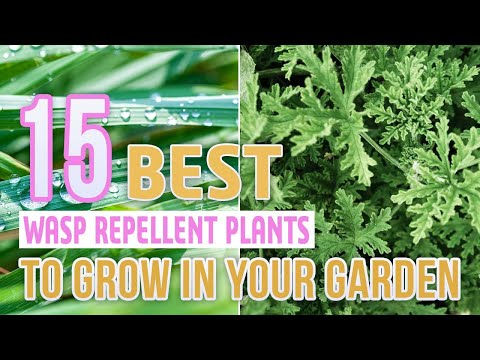
The plants you choose can totally change where bees want to go in your yard. Some flowers pull bees in with bright colors and sweet smells, while others send them packing with strong scents or bitter flavors.
It’s a bit of a balancing act—do you want bees for pollination, or do you want to keep them out of certain spots?
Flowers That Attract Bees
If you’re hoping to bring bees in, go for bee-friendly flowers like sunflowers, lavender, lilacs, and black-eyed Susans. These flowers give bees the nectar and pollen they need.
Zinnias and poppies are also bee magnets, thanks to their bold colors and open blooms.
These plants boost pollination, which is great if you’re growing fruits or veggies. Honeysuckle is another favorite—its sweet scent draws in a lot of bees.
Plant these in sunny areas to make your garden a bee paradise.
Bee-Deterring Flowers and Plants
If you’d rather bees stay away from certain areas, pick plants they don’t like. Marigolds and nasturtiums put out strong smells that turn bees and wasps off.
Chives and peppermint are good choices too; their scent keeps bees away, but other pollinators might not mind.
You can use these as a natural barrier around patios or play zones. Citrus plants, like lemon or orange trees, also give off smells that bees avoid.
With a bit of planning, you can protect your outdoor spaces from bees—no chemicals required.
Balancing Pollination and Bee Deterrence
Maybe you want a few bees around for pollination, but you definitely don’t want them buzzing near your patio or where your kids play. Here’s a trick: put bee-attracting flowers in one part of the yard, and keep bee-deterring plants closer to the spots you want to be bee-free.
Try grouping flowers like lavender and sunflowers farther away from marigolds and peppermint. That way, the bees stay busy where you want them, and you can actually enjoy your deck or garden path without worrying about stings.
Mixing up your plants this way can make your space safer—and honestly, probably happier—for both you and the bees.
If you want more ideas, check out this list of plants that repel bees.


