
Spotting a frog in your garden? That usually means your outdoor space makes a great home for them. Frogs love water, insects, and places where they can hide out.
A frog in your garden often signals a healthy environment with a good mix of moisture, shelter, and food.
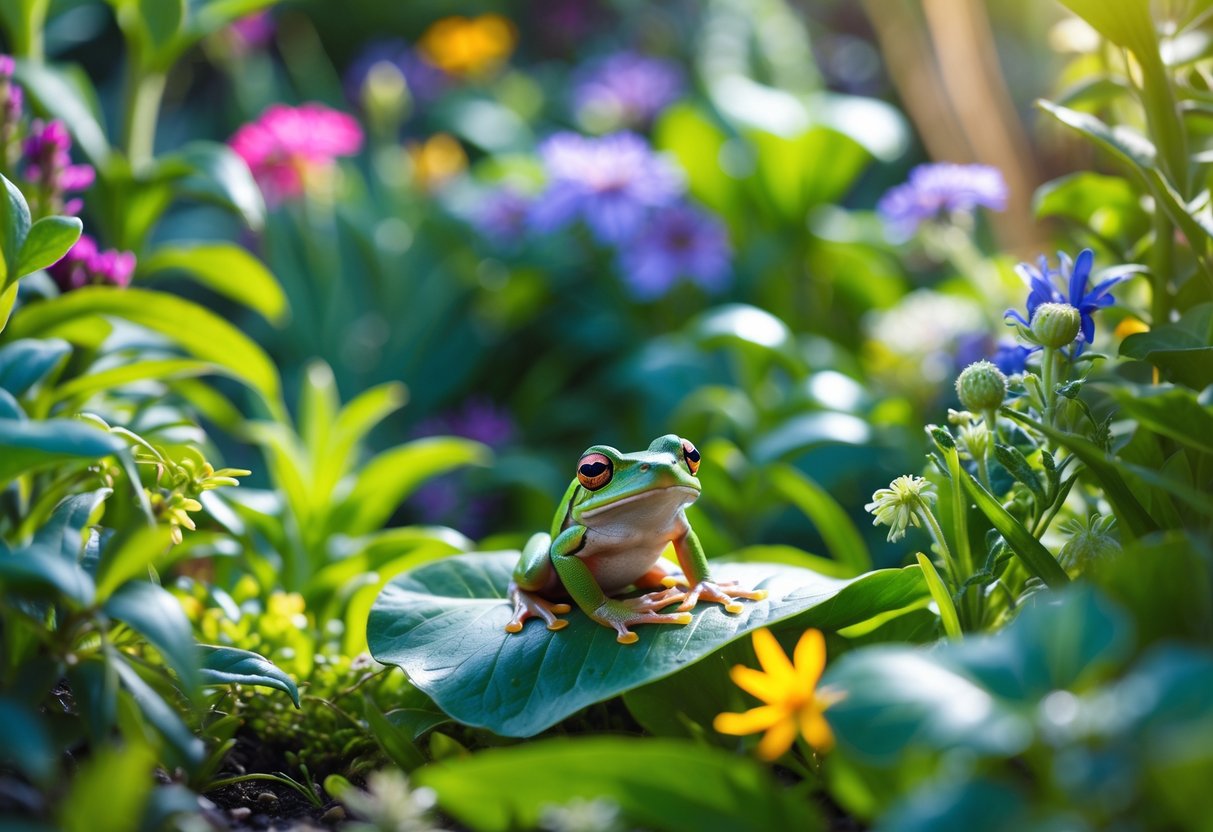
Frogs help control pests, but if you see a ton of them, they might mess up some plants or dig around in the soil. Their presence tells you there’s probably standing water or plenty of bugs nearby.
Knowing why frogs show up helps you decide if you want to keep them around or nudge them along.
Frogs play a role in your garden’s balance, but it’s smart to watch their numbers. Understanding what their visit means lets you enjoy their benefits while still looking out for your plants.
Want more details? Check out what attracts frogs and how to manage them.
Why Frogs Are in Your Garden
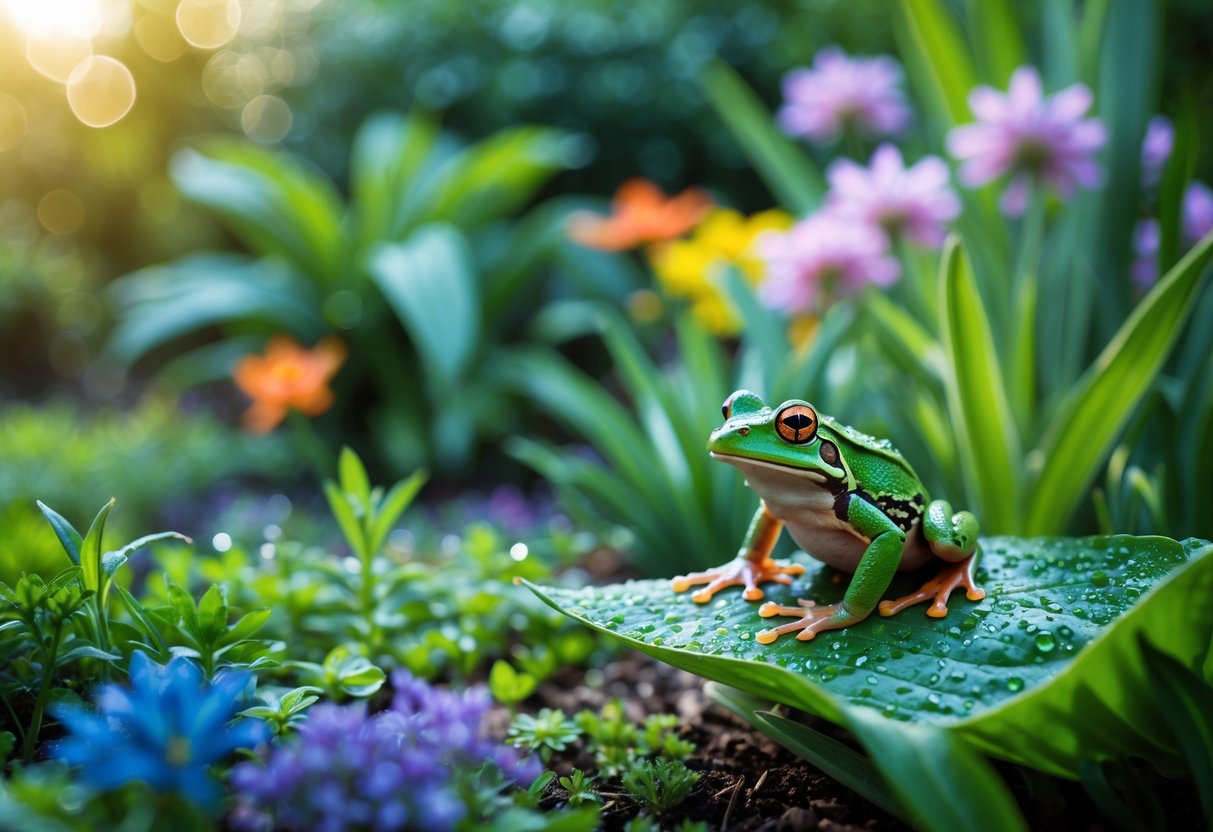
Frogs show up in your garden because it gives them what they need to survive. They’re looking for water, food, and shelter.
The climate and your garden’s setup matter too. Some spaces just feel right for frogs.
Attracted by Water Sources
Frogs need water to live and breed. If you’ve got a pond, birdbath, or even puddles from rain, frogs will find it.
Tadpoles—baby frogs—grow in water, so moist spots let them reproduce.
Even water from poor drainage or overwatering brings frogs in. They like damp places because their skin soaks up moisture.
If you want fewer frogs, try getting rid of excess water or improving drainage.
Abundant Food and Garden Pests
A garden packed with insects is a frog’s dream buffet. Frogs eat flies, spiders, caterpillars, and slugs—basically, the bugs you don’t want.
If there are lots of insects, frogs stick around for the easy meals. But keep in mind, frogs don’t just eat pests.
Sometimes, they’ll munch on helpful bugs like butterflies or earthworms, which actually help your garden.
Shelter and Safe Habitat
Frogs hide where they feel safe from predators. Overgrown shrubs, tall grass, wood piles, and thick plants all give them cover.
They stay hidden during the day because they’re mostly active at night.
If you keep your garden neat, frogs might not find it as cozy. But if you leave messy corners, you’ll probably see more frogs hanging around.
Influence of Climate and Environment
The weather around your garden changes how many frogs you see. Frogs like moist, warm air.
During rainy seasons or in humid places, you’ll notice more frog activity.
Cold weather slows them down, but when it warms up, frogs might migrate or gather in your yard to breed.
If your garden sits on a frog migration route, you could suddenly see a lot more frogs at certain times.
Curious about how water attracts frogs? Here’s a detailed explanation.
Impact of Frogs on Your Garden
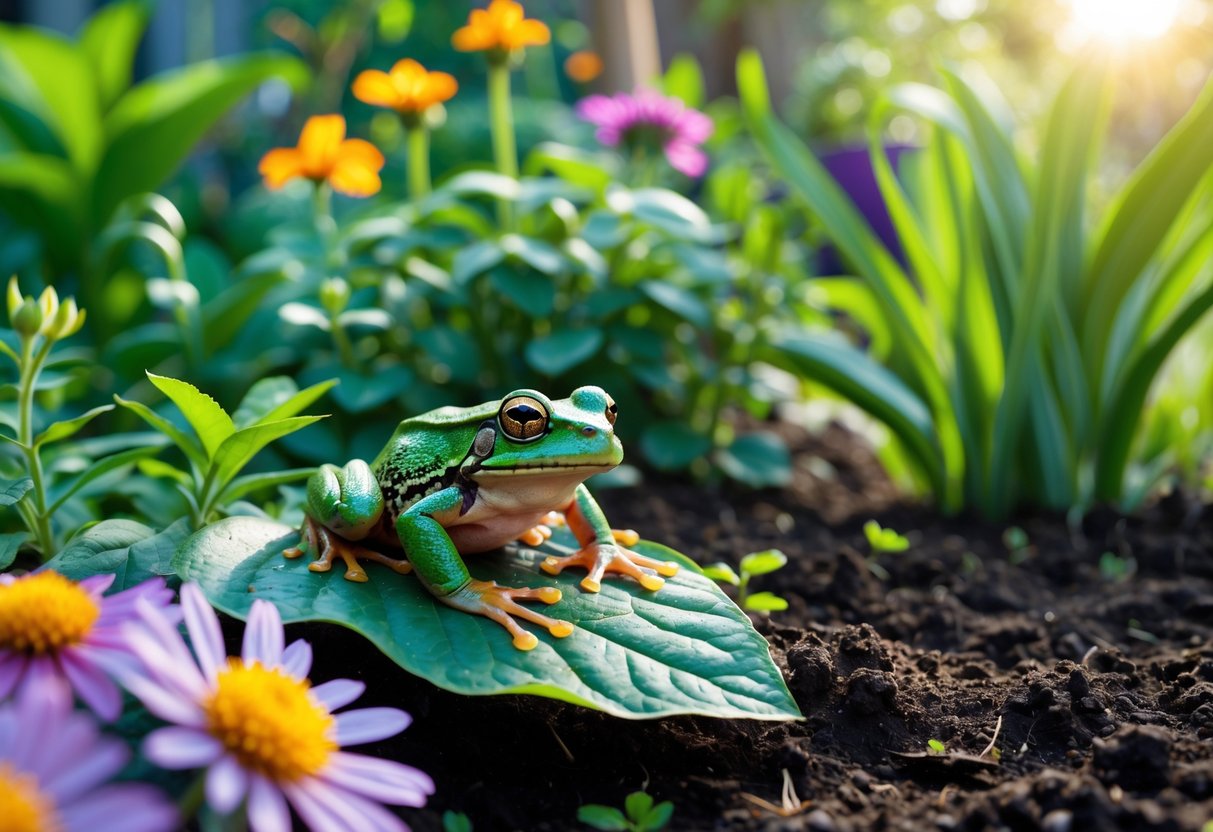
Frogs in your garden can be a mixed bag. They help with pests but might mess with plants or soil.
Knowing how frogs affect your garden helps you decide if you want them to stay.
Natural Pest Control Benefits
Frogs eat tons of insects that hurt your plants. They’ll chow down on mosquitoes, flies, slugs, beetles, and other annoying bugs.
This means you might not need as many chemical pesticides, which is healthier for your garden.
Since frogs eat so many pests, they act like natural pest control. Fewer bugs munching on your plants means less work for you.
Potential Plant and Soil Effects
Frogs help with pests, but sometimes they cause problems too. When they burrow in the soil to hunt or hide, they can disturb roots or seedlings.
That digging sometimes uproots young plants.
Frogs have skin that lets chemicals pass through easily. If they come into contact with pesticides or weed killers, those chemicals can end up back in your garden’s soil.
That might hurt your plants without you realizing it.
Wildlife and Biodiversity Considerations
Frogs add to your garden’s ecosystem. Their presence means you’ve got good biodiversity, which helps keep everything balanced.
They also provide food for birds and other wildlife, connecting different parts of nature.
Gardens without pesticides and with water sources attract more frogs. Supporting frogs helps with conservation, especially since they’re losing habitats in cities.
But, let’s be honest, more frogs might mean more croaking at night and a bigger group to keep an eye on.
Encouraging or Repelling Frogs
If you want more frogs around, keep your garden moist and skip the pesticides. Try adding a small pond or just leave a patch of taller grass—frogs love that sort of thing.
This kind of setup helps with natural pest control, though you might notice some burrowing here and there. Honestly, it’s a bit of a trade-off.
If you’d rather not have frogs, get rid of any standing water. Tidy up those overgrown or damp corners where frogs like to hide.
You can try scents like vinegar or grow certain plants that frogs don’t like. Some folks use garden netting or landscape fabric to block frogs from burrowing into their plants.
You might need to tweak your approach depending on how many frogs you’re seeing and what actually works for your garden.
Learn more about managing frogs and natural pest control at Pest Pointers. There’s also info about the benefits of frogs in your garden at Bean Growing.


