
When folks call someone a coyote, they’re usually talking about a person who smuggles people across the Mexico–United States border. A coyote guides immigrants illegally into the U.S. for a fee. The word comes from Mexican Spanish and points to a complicated, risky role in migration.
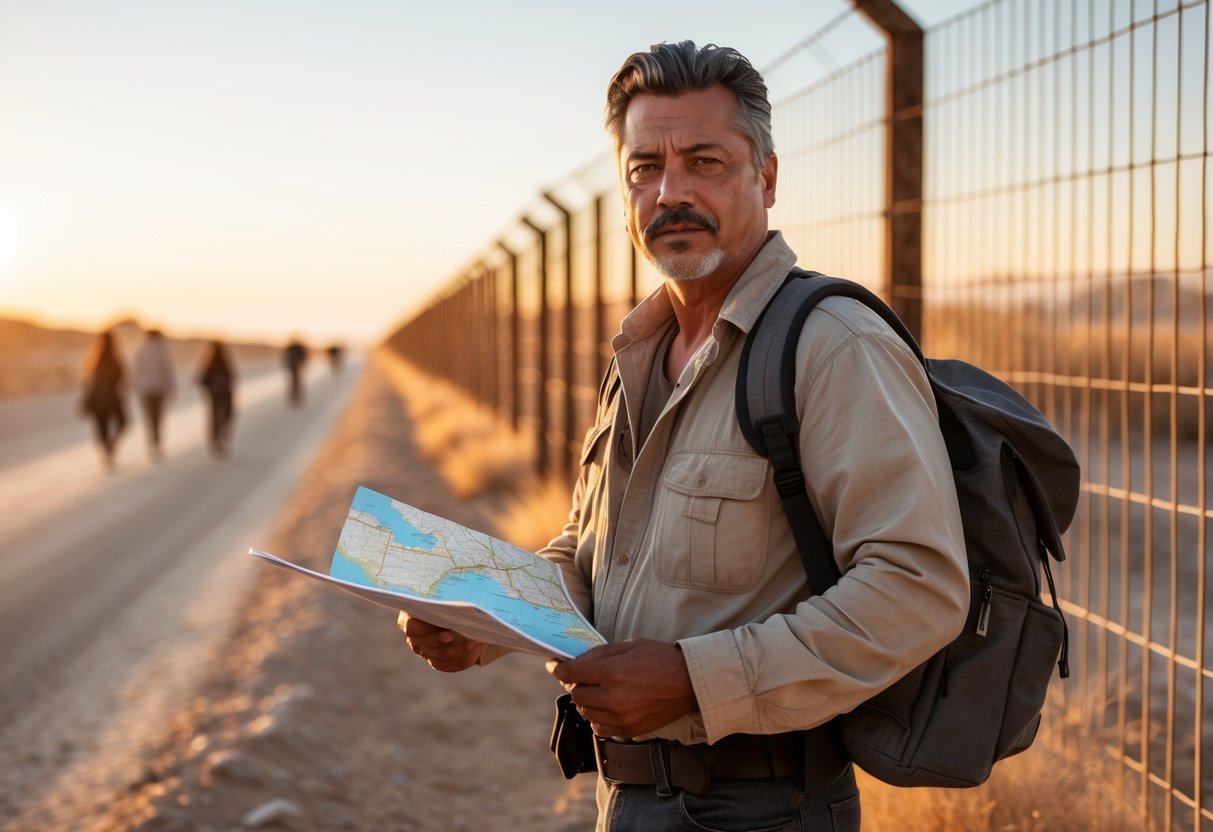
Why do we use “coyote” for this? Originally, it meant a wild dog native to North America. Over time, the term picked up this new meaning tied to human smuggling.
If you think about what coyotes do, it gives you a glimpse into a side of immigration most people don’t really talk about.
Meaning and Use of the Term ‘Coyote’
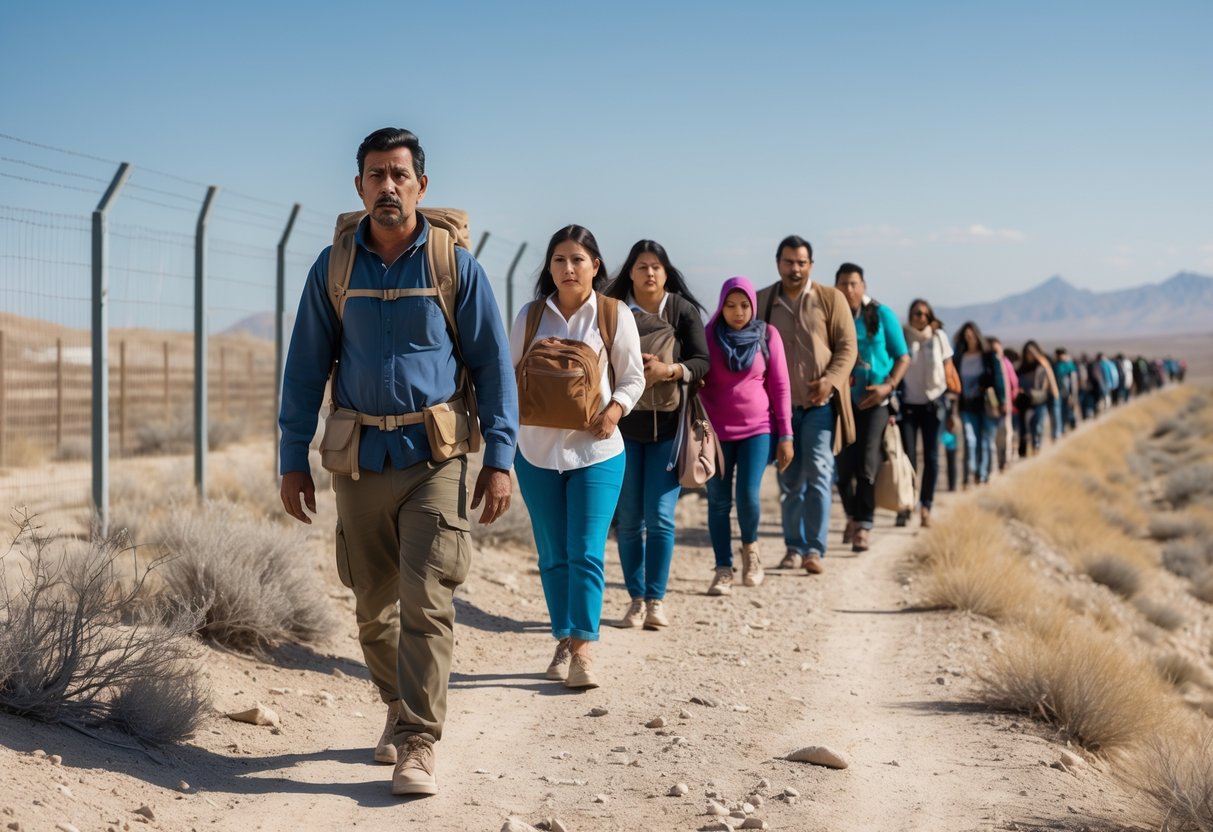
When someone gets called a coyote, it’s not just about the animal. The word usually means a person who helps migrants cross borders illegally.
This role has deep roots in border crossings between Mexico and the U.S. It comes with a whole set of risks and activities.
Definition as Human Smuggler
People pay coyotes to help them cross the border into the United States without legal permission. Coyotes guide migrants through dangerous routes, dodging border patrols and checkpoints.
Migrants often pay once they reach a safe spot in the U.S. Coyotes act as guides and sometimes as negotiators, making it possible for people without papers to get in.
They use their knowledge of patrol patterns, the landscape, and safe houses to move people across. Since legal entry is tough, a lot of migrants rely on coyotes, even though it’s risky.
Origins and Slang Evolution
“Coyote” started as the name for the wild dog in North America, but Mexican Spanish gave it a new twist. The animal’s reputation for being clever and sneaky fit the smugglers’ work.
As migration between Mexico and the U.S. picked up, people started calling these guides “coyotes.” They worked quietly, behind the scenes, keeping low profiles.
Special slang even developed between migrants and coyotes to keep things secret and avoid getting caught.
Types of Coyotes and Their Operations
Coyotes don’t all do the same thing. There are two main types: interior coyotes and clandestine-crossing coyotes.
Interior coyotes help folks from their hometowns get close to the border, especially if they don’t know the area or have no connections.
Clandestine-crossing coyotes actually lead people across the border. They watch for patrol shifts, set up distractions, and use lots of tricks to get people through.
Teams take on different roles. For example, vaquetones recruit migrants, chequadores watch patrol movements, and cuidandonos handle distractions.
Coyotes often work in organized groups with a clear hierarchy. The bosses, or patrones, handle the money and logistics.
This system lets them move a lot of people, even with strict border security. The job is dangerous, but migrants keep looking for their help because they want better lives.
If you want more details, check Coyote (person) – Wikipedia.
Cultural, Legal, and Social Aspects of Coyotes

Coyotes have been around a long time, tied closely to migration and border crossings. Their role goes beyond just guiding people; they often connect with criminal groups and face constant pressure from law enforcement.
Looking at how coyotes fit into this system shows the risks and realities migrants deal with.
Historical Background and Evolution
People first used “coyote” for the animal, but border communities later gave it new meaning. By the late 1800s, early smugglers helped workers cross borders to fill jobs in the U.S.
These early guides, called enganchadores, recruited migrants and arranged their travel. As U.S. border laws got stricter, coyotes changed their tactics.
They started using secret codes and routes to help people avoid getting caught. The job shifted from simple recruitment to much more complicated smuggling operations.
Role of Coyotes in Migrant Journeys
Coyotes lead migrants through rough terrain and tough patrols. They do more than just guide; some recruit people or provide places to rest along the way.
Migrants usually pay high fees, often after they make it to their destination. Coyotes use their deep knowledge of patrol schedules and geography to help, but they can’t remove all the risks.
Migrants often turn to coyotes because legal ways in are so limited. The relationship is risky, with threats like violence, arrest, or even exploitation.
Safe houses and arranged transport form a support network that makes these journeys possible.
Smuggling Rings and Organized Crime
Many coyotes work with bigger smuggling rings or drug cartels. These groups control the routes, safe houses, and the flow of migrants through Mexico.
Each person in these networks has a job:
- Recruiters look for migrants willing to pay.
- Guides lead the crossings.
- Lookouts keep an eye on border patrols.
- Bosses run the money and operations.
Cartels make things even more dangerous by demanding extra fees or using violence. That raises the risks and costs, showing just how much organized crime shapes the migration journey.
Law Enforcement and Border Security
Law enforcement agencies like the U.S. Border Patrol spend their days trying to stop illegal crossings. They rely on advanced technology and different patrol strategies to catch migrants and coyotes.
Coyotes get creative—they use secret signals and rely on insider knowledge to slip past authorities. This back-and-forth feels like a never-ending cat-and-mouse game, and it really shapes the way migrants plan their trips.
The Pew Research Center points out that, even with strict border security, lots of migrants still try to cross because there just aren’t enough legal options. So, you end up with this ongoing clash between enforcement and smuggling.
If you look at this legal and security mess, it’s not hard to see why coyotes stick around. They’re a key—if controversial—part of the whole migration story.


