
When summer arrives in the Arctic, the Arctic fox undergoes a striking transformation. In the warmer months, Arctic foxes shed their thick white coat and develop a new fur that is darker and more suited to their environment. This summer coat typically appears greyish-brown, helping them blend into the rocky terrain and vegetation as the snow melts away.
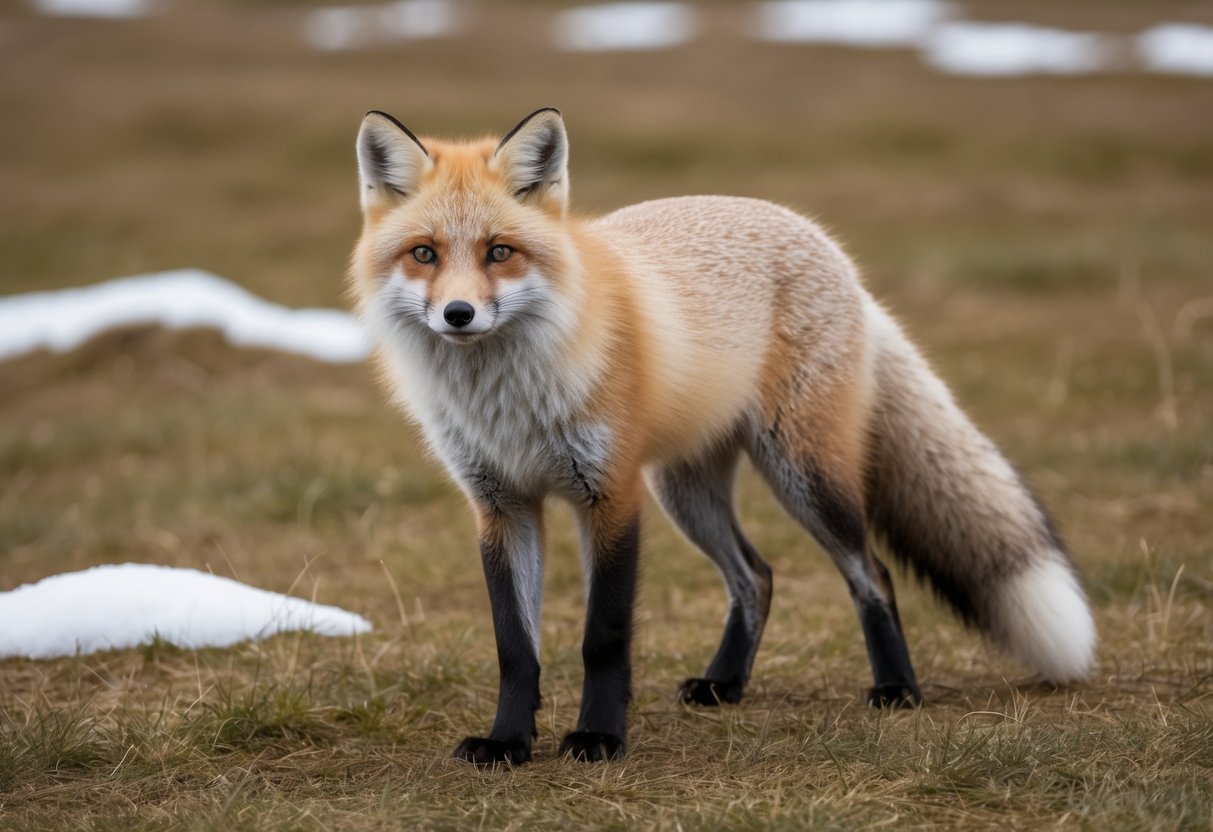
You might find it interesting that this change in appearance is not just for looks. The darker fur serves as effective camouflage, allowing the fox to remain hidden from predators and sneak up on its prey. During summer, plains and hills come alive with color, and the Arctic fox’s adaptation helps it thrive in this vibrant landscape.
With their sharp features and fluffy tails, Arctic foxes are charming animals. Observing them in their summer attire is a true treat for wildlife enthusiasts and nature lovers alike. You’ll be amazed at how these clever foxes adapt to their changing world.
Physical Characteristics in Summer
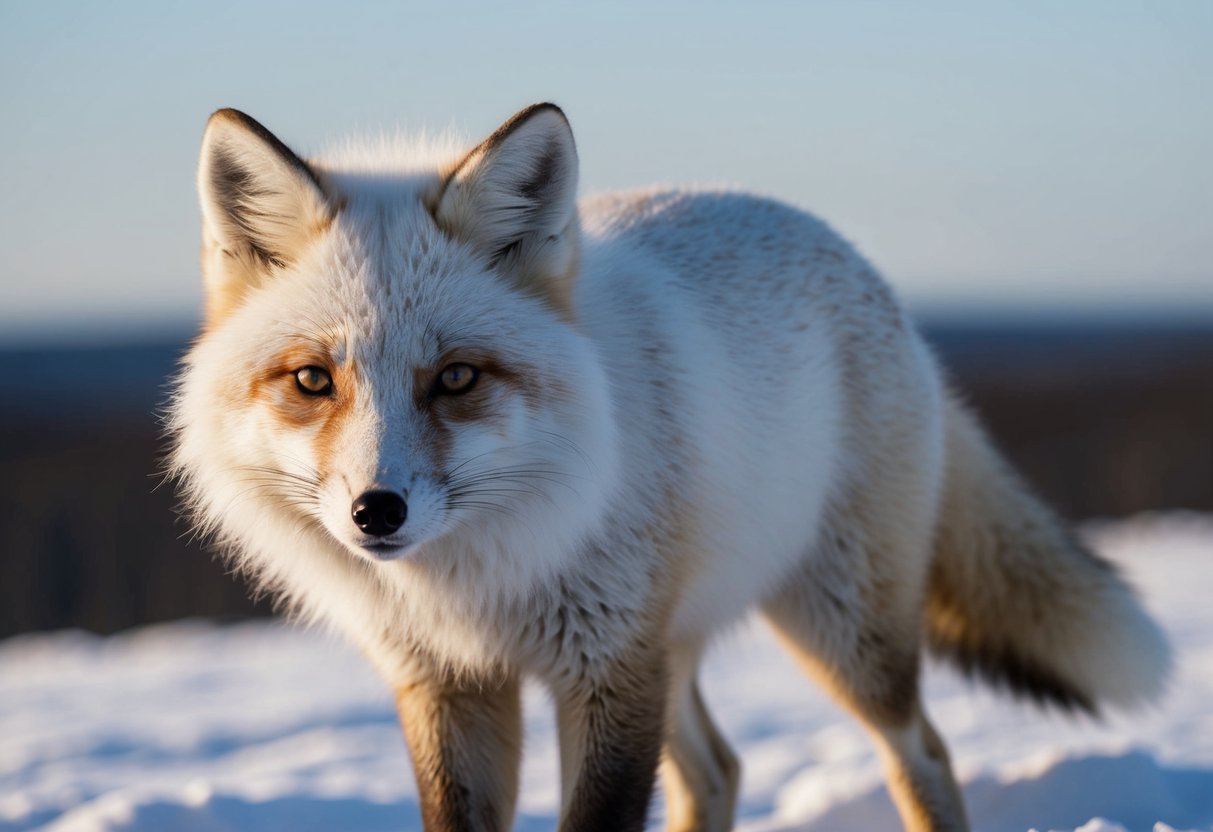
During the summer months, the appearance of an Arctic fox changes significantly to adapt to its environment. Key features include changes in fur color and physical traits that help the fox survive in warmer conditions.
Color Adaptation
In summer, Arctic foxes shed their thick, white fur. This change helps them blend into the warmer terrain, which is often a mix of brown and green. Their new coat becomes a dull grey or brown, providing effective camouflage against the tundra and surrounding foliage.
This adaptation is crucial for hunting. The less noticeable fur helps them sneak up on prey, like lemmings. Additionally, the shorter fur also aids in cooling down during warmer weather.
Body Features
The Arctic fox has small ears that minimize heat loss, making it easier to stay cool in summer. Its body is compact with a rounded shape, helping reduce heat loss as well. Short legs and a short muzzle are also designed for efficiency in movement across various terrains. The fox’s fluffy tail serves multiple purposes, including balance and warmth, wrapping around the body during cooler nights.
Together, these features showcase how the Arctic fox adapts beautifully to its environment, allowing it to thrive in both summer and winter.
Habitat and Distribution
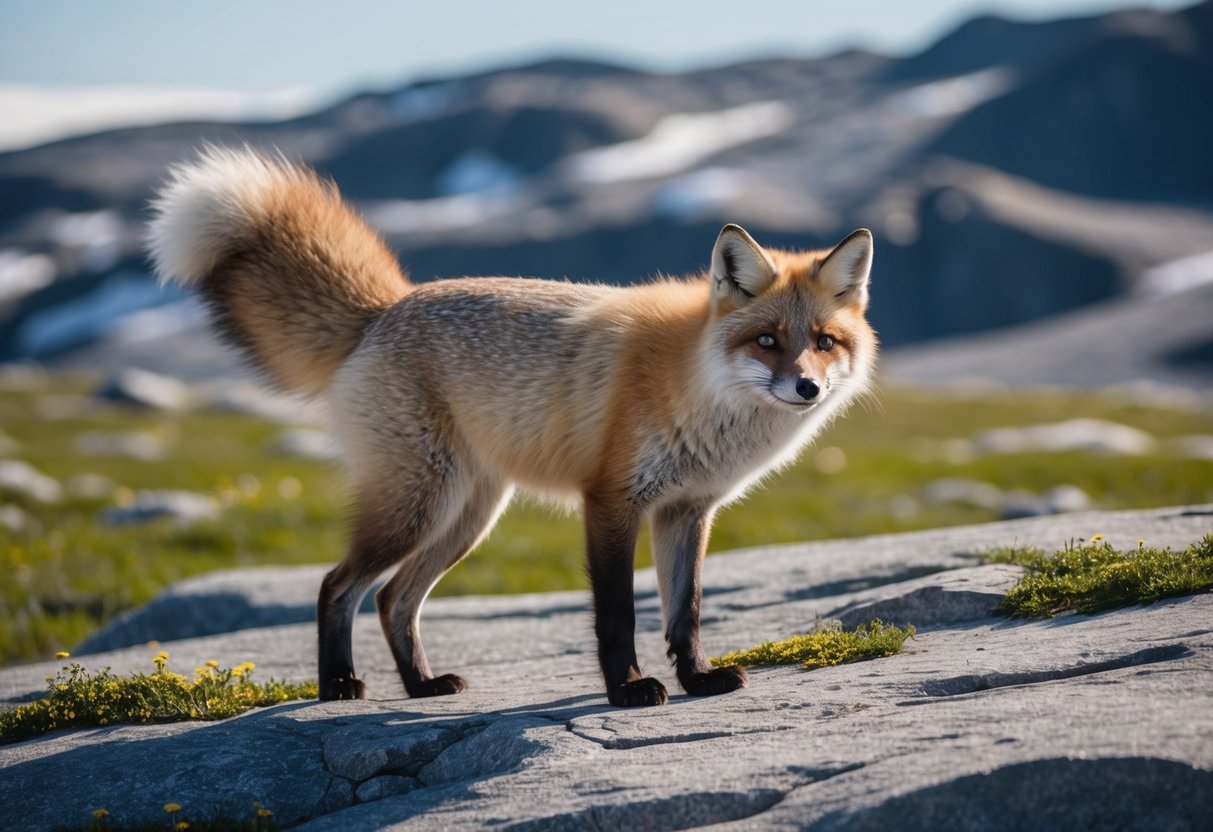
The Arctic fox makes its home in some of the coldest places on Earth. Understanding where they live and how they adapt to their environment is key to knowing more about these incredible animals.
Arctic Regions
You can find the Arctic fox across the Arctic tundra, which stretches through North America, Greenland, Canada, Alaska, Russia, and northern Europe. This area is characterized by its cold climate, short growing seasons, and unique plant life. The tundra landscape is often covered in snow and ice, mainly during the winter months.
The Arctic fox thrives in various habitats, including the pack ice surrounding the coast and regions where permafrost is common. They build dens in these areas, providing safe spaces for raising pups and sheltering from harsh weather. Their circumpolar distribution allows them to adapt to different conditions while still being well-suited to life in extreme cold.
Adaptations to Habitat
You might be surprised to learn how well the Arctic fox is adapted to its habitat. Their thick fur keeps them warm in frigid temperatures, and in summer, they shed their white coat for a more muted grey or brown. This change helps them blend into the tundra landscape.
The Arctic fox has a compact body, which minimizes heat loss, making it easier to survive cold temperatures. Their fur is not only warm but also acts as insulation against the freezing conditions. These adaptations are essential as climate change affects their habitat, challenging these foxes to adjust to new environmental conditions.
Diet and Hunting Behavior
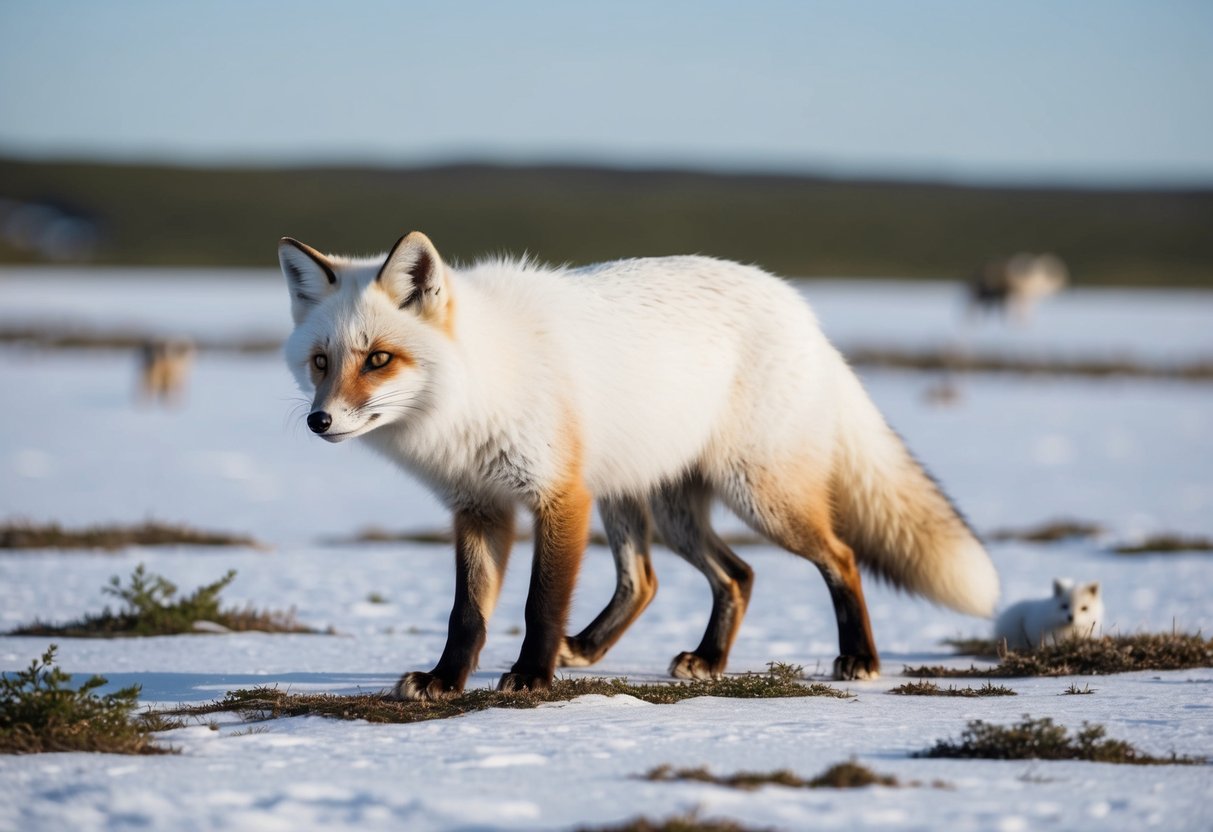
In the summer, Arctic foxes adapt their diets to the availability of food sources. They become skilled hunters and gatherers, showcasing their omnivorous nature. Their diet includes a variety of prey and plants, which helps them thrive in their Arctic environment.
Summer Diet
During the summer months, you will find Arctic foxes eating a mix of animals and plants. Their primary food source includes small mammals such as lemmings and other rodents. These tiny creatures are abundant in summer and serve as a major part of the fox’s diet.
Additionally, Arctic foxes hunt birds, especially nesting species, and insects, which are plentiful in warmer months. They also enjoy foraging for berries, adding variety to their meals. This diverse diet helps them stay healthy and well-fed.
Hunting Techniques and Predators
Arctic foxes have developed clever hunting techniques to capture their prey. They use their keen sense of hearing to locate animals hidden beneath the snow. When the snow melts in summer, they rely on their agility to chase down rodents and catch birds.
While they are effective hunters, Arctic foxes must be wary of predators like polar bears, wolves, eagles, and owls. These larger animals pose significant threats. As a result, Arctic foxes often stay alert and use their agility to escape danger. This constant vigilance is key to their survival in the harsh Arctic climate.
Reproduction and Life Cycle
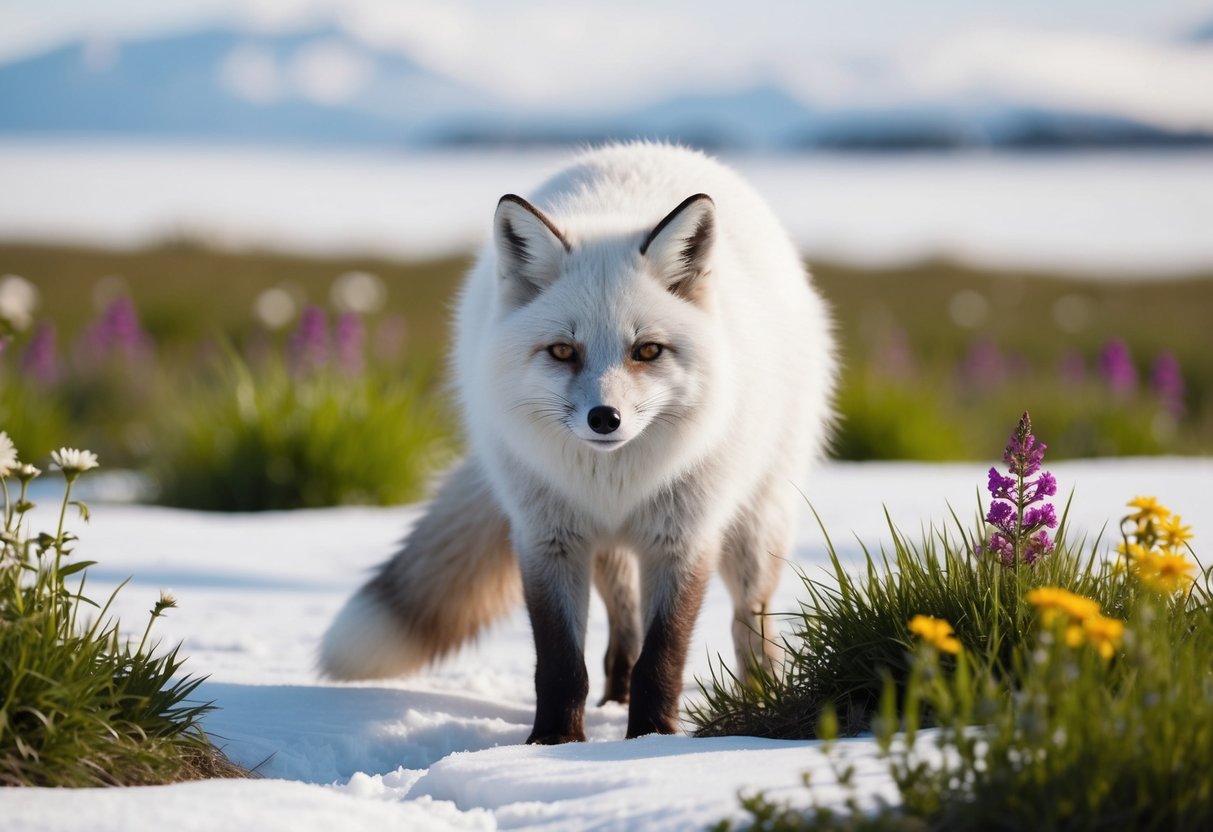
Arctic foxes have unique mating habits and caring ways of raising their young. Understanding their reproduction and life cycle gives insight into how these resilient animals thrive in their harsh environments.
Mating Practices
Arctic foxes are known to be monogamous, usually forming pairs that mate for life. This strong bond helps them raise their young more effectively.
The breeding season typically begins in early spring. During this time, you may notice more activity between pairs as they prepare for the arrival of pups. After mating, a female fox will create a den, which serves as a safe place for her and her pups.
The gestation period for Arctic foxes is about 52 days. At the end of this period, the female usually gives birth to a litter of 3 to 15 pups. This variation in litter size can depend on factors like food availability and environmental conditions.
Raising Offspring
Once the pups are born, both parents play a significant role in ensuring their survival. The den is crucial, providing shelter and protection from predators and harsh weather.
The mother stays close to the den during the early weeks, nursing the pups. Meanwhile, the male fox hunts for food, bringing back prey for the family.
As the pups grow, they begin to explore outside the den. At around 2 to 3 weeks, they start to eat solid food, which helps them gain strength.
By the end of the summer, the pups are nearly fully grown and ready to venture out into the world.


