
Ever wondered what a killer bee actually looks like? You might expect something dramatic, but honestly, they look almost identical to regular honeybees. Killer bees usually show up in brown with yellow stripes and wear a thin layer of fuzz, so they’re nearly twins to European honeybees. They’re a bit smaller, though, and it’s tough to tell the difference just by glancing at them.

What really makes killer bees stand out isn’t their size or color—it’s their attitude. These bees act more aggressively and tend to move their nests a lot. If you pay attention to how they behave, you’ll get more clues than if you just stare at their stripes. Curious about what else sets them apart? Let’s dig in.
How to Identify a Killer Bee
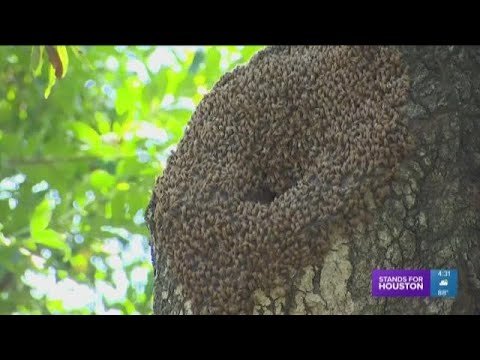
When you look closely, you might spot tiny details that separate killer bees from regular honey bees. Their size, color, and the way they act all give you hints. Knowing what to watch for can help you stay safe, especially since these bees behave a bit differently.
Physical Characteristics and Color
Killer bees, or Africanized honeybees, reach about three-quarters of an inch in length. Their bodies run a little smaller and darker than European honey bees.
You’ll see brown and yellow stripes, but the brown often looks deeper. Their bodies are fuzzy, covered with fine hairs that help them collect pollen. If you look really closely, killer bees have slimmer bodies than their European relatives. These little differences can help you tell them apart, but honestly, it takes a careful eye.
Differences from European Honey Bees
It’s tricky, but there are a few ways to spot differences between European honey bees and killer bees. Killer bees are usually a touch smaller and carry darker bands on their bodies.
Their colonies build hives more often and spread out quickly. You’ll also notice killer bees swarm or move in groups more than European honey bees. Visual clues are subtle, so most experts watch how they behave instead.
Unique Behaviors to Watch For
Killer bees react almost instantly—and in bigger numbers—if they sense danger. Unlike European honey bees, they protect a much wider area around their hive.
You might see them darting around fast and buzzing louder than usual. Sometimes they’ll chase people or animals for quite a distance. Their quick, aggressive swarming is a better giveaway than their looks. If bees act this way, it’s smart to keep your distance.
For more details on identifying these bees, check out How To Tell If You Have Killer Bees.
Habitat, Distribution, and Nests of Killer Bees

Killer bees stick to places with warm weather. They build nests in odd spots and spread out fast. If you know where they live and what their nests look like, you’re less likely to bump into trouble.
Regions and States Where Killer Bees Are Found
You’ll mostly find killer bees in the southern parts of the United States. They’re pretty common in Arizona, Nevada, Southern California, and Southern Florida.
Africanized bees need warmth, so they thrive in these areas. They started out in South America and slowly moved north. Swarms of bees left their old nests and kept searching for new places, so new colonies pop up in different spots every year.
Killer Bee Nests and Colony Structure
Killer bees pick small, unexpected spaces for their nests. They’ll set up in tree limbs, bushes, water meter boxes, empty cars, tires, crates, or even mailboxes. Big hives aren’t their thing—they stick close together in tight colonies.
Africanized bees run smaller colonies than European honey bees but defend a much bigger area. Their nests are tough to spot because they often hide them in odd places. If you stumble across a nest, it’s best to back away and keep safe.
Encounters and Sting Risks
If you get too close to a killer bee nest, you’ll probably end up with several stings. Africanized killer bees don’t waste any time—they react quickly and attack in swarms.
Their sting feels a lot like a European honey bee’s, but the sheer number of bees coming at you makes it much worse.
Killer bee stings can hurt a lot, and they’re especially risky if you have allergies. If you’re working or hiking somewhere these bees hang out, it’s smart to wear protective clothing.
It really helps to know how to spot their nests so you can steer clear of any sudden attacks.
For more details on where killer bees build their nests and what they’re like, check out killer bee nest information.


