
Ever spot a tired bumblebee and feel tempted to offer it some honey? You might want to hold off. Honey isn’t safe for bumblebees—it can carry harmful pathogens that make them sick.
Bumblebees don’t make or use honey the way honeybees do. Feeding them honey actually risks their health instead of helping them.

Bumblebees get energy from nectar and pollen they collect straight from flowers. When you give them honey, you disrupt their natural diet and possibly cause health issues.
If you want to help a struggling bumblebee, there are much safer ways to do it.
Knowing a bit about how bumblebees live and eat makes it easier to support them. For more details, check out Is Honey Bad for Bumblebees?
Is Honey Bad For Bumblebees? What Science Says

Honeybees and bumblebees live and store food in very different ways. When people feed honey to bumblebees, it can create health risks because their bodies and colonies just aren’t built for it.
Understanding these differences shows why honey can be dangerous for bumblebees.
Differences Between Honey Bees and Bumblebees
Honeybees (Apis mellifera) store lots of honey to feed their big, long-lasting colonies through winter. Bumblebees form smaller colonies that only last a season.
They collect nectar but only store tiny amounts as a sugary liquid, not thick honey like honeybees do.
Honeybees use their proboscis to turn nectar into honey with enzymes and evaporation. Bumblebees keep small nectar drops close to the nest surface, not in sealed combs.
So, bumblebees simply aren’t designed to depend on honey as a main food source.
Risks of Feeding Honey to Bumblebees
Feeding honey to bumblebees can harm them. Honey sometimes contains pathogens or bacteria that don’t bother honeybees but can make bumblebees sick.
Bumblebee immune systems just aren’t used to fighting those germs.
Honey is high in sugar but doesn’t have the nutrients bumblebees get from fresh nectar and pollen. Giving honey can throw off their nutrition or upset their digestion.
Offering honey to wild or rescued bumblebees just isn’t a good idea.
Impacts on Bumblebee Colonies
When bumblebees eat honey with pathogens, they can spread disease through their small colonies. With fewer bees, disease outbreaks can hit hard.
Bumblebee colonies don’t have big food stores like honeybees. If their food or health takes a hit, the whole colony can quickly fail.
Feeding them honey can lower their survival chances and weaken the colony.
You can read more about these risks in the Bumblebee Conservation Trust’s article on why feeding honey to bumblebees is bad for them.
Bumblebee Nutrition, Pollination, and Conservation
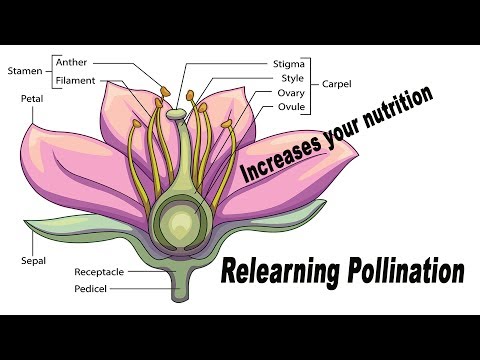
Bumblebees play a huge role in gardens and nature by collecting nectar and pollen and pollinating tons of plants. Their survival really depends on healthy habitats and protection from threats like pesticides or climate change.
Natural Feeding Habits and Nectar Collection
Bumblebees feed mostly on nectar and pollen. You’ll often see them using their long tongues to sip nectar from flowers, especially those that match their tongue length—think blueberries or peppers.
They don’t gather nectar to make big honey stores like honeybees. Instead, they keep just enough nectar to feed their colony.
Their buzzing shakes loose pollen in a process called buzz pollination. It’s especially important for crops like tomatoes.
This makes bumblebees fantastic pollinators for plants other bees can’t handle. If you want to help them, plant lots of nectar-rich flowers and give them safe spots to feed.
Role of Bumblebees in Pollination
Bumblebees pollinate tons of wildflowers and crops like tomatoes, blueberries, and peppers. Their buzz pollination technique shakes pollen loose in ways honeybees just can’t.
By pollinating a wide mix of flowers, bumblebees help keep biodiversity and healthy ecosystems going. This supports your local environment and even helps other animals that depend on plants for food.
Since bumblebee species have different tongue lengths, they can pollinate a bigger variety of flowers.
Protecting Bumblebee Populations
Bumblebee numbers keep dropping. The main reasons? Habitat loss, pesticide exposure, and climate change.
You can actually help out. Try planting native, nectar-rich flowers in your yard or garden.
Set up safe spots like bee hotels. These give bumblebees a place to rest and nest.
Skip the harsh pesticides. They really harm bumblebees and plenty of other good insects.
Some conservation groups protect natural spaces. They also work to teach people how farming and gardening choices can make a difference for pollinators.
If you get what bumblebees need, you can help them stick around. That way, they keep doing their thing in agriculture and wild ecosystems.
Curious about how bumblebees collect nectar or make honey? Check out Bumblebee Nectar Collection.


