
Ever wondered if male bees can sting? You’re definitely not the only one. People often assume every bee has a stinger, but that’s not actually true. Male bees don’t have stingers, so they can’t sting you.
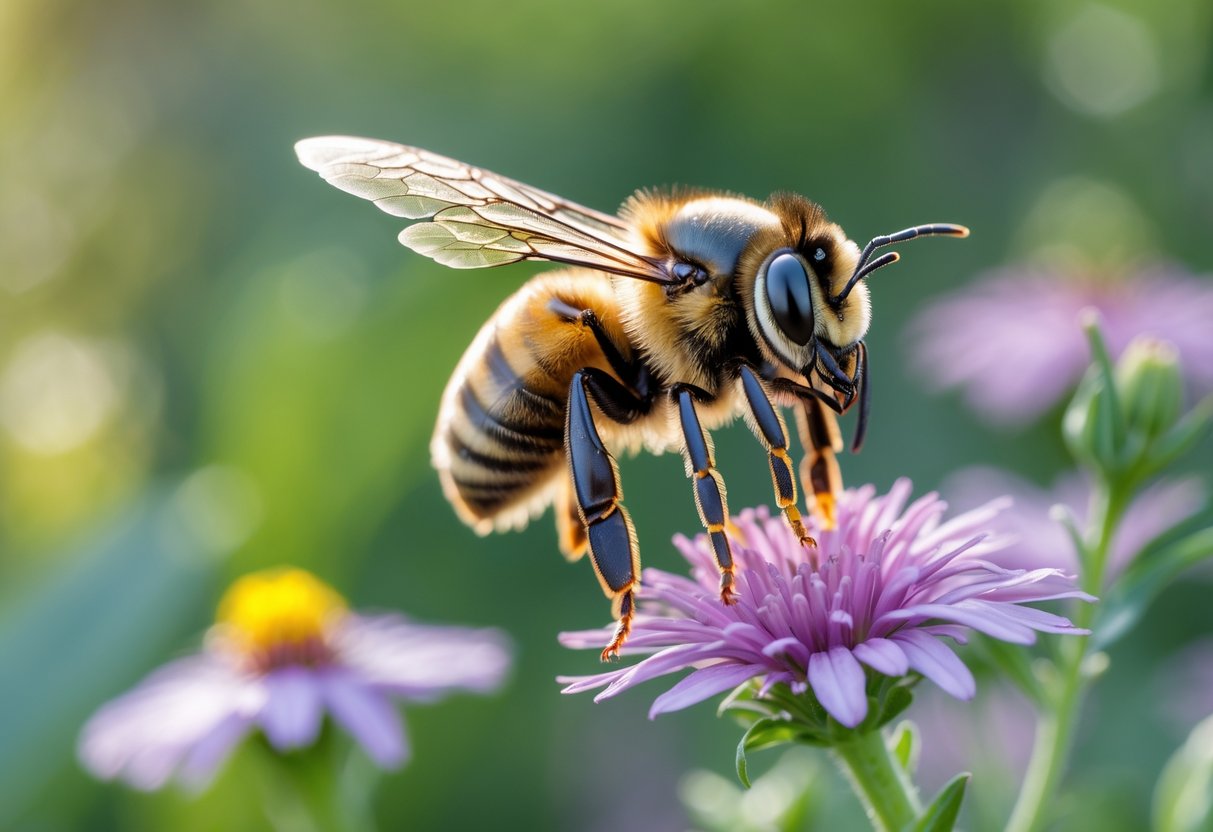
A stinger is really just a modified egg-laying tool, something only female bees have. Drones—the male bees—are built for mating, not defending the hive.
If you know this, you might feel a bit less nervous when bees buzz nearby.
But there’s more to it. Male and female bees act differently, and only females protect the hive with stings.
Let’s dig into what makes male bees unique. Sometimes their behavior can seem a bit mysterious, right?
Do Male Bees Sting? Answers and Anatomy

If you look at bee anatomy and their jobs, you’ll see why not all bees sting. Whether a bee can sting depends on its gender and what it does in the hive.
That’s pretty important for knowing which bees might actually be a threat.
Why Male Bees Cannot Sting
Drones, or male bees, just can’t sting. The stinger is a modified part of the female bee’s reproductive system.
Since drones don’t lay eggs, they don’t have a stinger or venom glands. Female bees, on the other hand, use their stingers for protection.
Even if a male bee seems like it might attack, it simply can’t sting you. Drones focus on mating with the queen and don’t get involved in hive defense.
Differences Between Drones and Worker Bees
Drones and worker bees really don’t look or act the same. Drones are bigger and more rounded.
Worker bees are always female, and they have a barbed stinger. If a worker bee stings, the stinger usually gets stuck and the bee dies.
Workers defend the hive and take care of food gathering and young bees. Drones don’t gather food or join in defense.
Their main job? Mating with the queen. Their bodies are made for that one purpose.
| Feature | Drones (Male Bees) | Worker Bees (Female) |
|---|---|---|
| Stinger | None | Barbed or smooth stinger |
| Role | Mating with queen | Defend hive, gather food, care for young |
| Size | Larger and more rounded | Smaller and slimmer |
What Are Stingless Bees?
Stingless bees are a whole different group, especially common in tropical regions. They’re part of the Meliponini tribe.
Both male and female stingless bees don’t have stingers. Instead, they might bite or use sticky substances to defend their nests.
Stingless bees play a big role as pollinators. Their ways of protecting themselves are much gentler than honey bees, who use those barbed stingers.
It’s important to know that not all bees without stingers are male. Some species just naturally lack stingers, so their behavior can surprise you.
Bee Species and Their Stingers

Bees come in all shapes and sizes. Some use stingers to defend their nests, while others find different ways to stay safe.
You’ll find honey bees, bumble bees, and plenty of other types out there. Each has its own approach to defense—or sometimes, no stinger at all.
Honey Bees, Bumble Bees, and Other Types
Most honey bees and bumble bees have stingers for hive protection. Worker bees, which are female, use barbed stingers.
If a honey bee stings, its stinger gets stuck, and it dies. Bumble bees can sting more than once since their stingers are smooth.
Male bees, or drones, don’t have stingers. They never defend the hive.
Other bees, like some solitary bees or stingless bees from the Meliponini group, also don’t have stingers. They find other ways to keep themselves safe.
How to Recognize Stingless Bees
You can spot stingless bees by their small size and different shapes. Most stingless bees belong to the Meliponini family and live in tropical regions.
These bees defend themselves by biting or with other behaviors, not stinging. Unlike honey bees, stingless bees are less aggressive and won’t leave you with a painful sting.
If you see a bee that doesn’t seem interested in stinging—or has no stinger—it’s probably one of these. Knowing this can help you relax around harmless bees.
The Role of the Queen Bee
The queen bee is the only female in the hive that lays eggs. She does have a stinger, but honestly, she almost never uses it.
If she ever does, it’s mainly to fight off rival queens inside the hive. You won’t find her defending the nest outside.
Worker bees handle protection. They’ll sting to defend the queen and the hive.
Male bees—people call them drones—don’t have stingers at all. They don’t help with defense.
Spot a big bee hanging out in the hive’s center? That’s probably the queen, and honestly, she’s not interested in bothering you.


