
Ever spotted a big, fuzzy bumblebee and wondered if it’s the queen? Queen bumblebees usually look much larger than the others, with a bigger body and a rounder abdomen. She tends to hang out near the nest, while the worker bees head out to gather food.
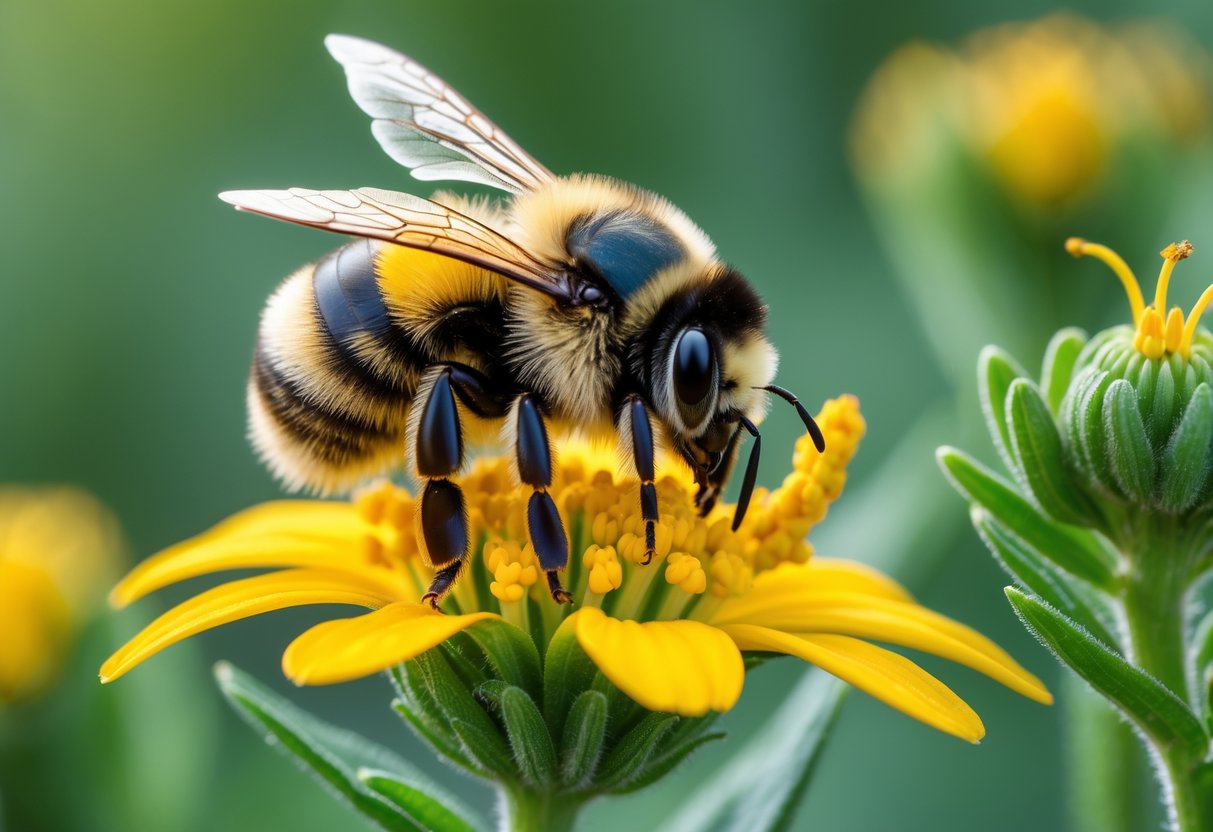
Knowing how to tell if a bumblebee is a queen gives you a cool peek into how these busy insects live and grow their colonies.
Once you can spot the queen, you’ll probably appreciate her role as the mother who keeps things running. Curious how to pick her out? Let’s get into what makes the queen stand out.
Key Ways to Identify a Queen Bumble Bee

To spot a queen bumble bee, focus on her size, color, body shape, and legs.
These clues make it much easier to tell her apart from the workers buzzing around.
Size Differences Compared to Worker Bees
Queen bumble bees are almost always bigger than the workers. You’ll probably notice she moves a bit slower and looks sturdier.
Her body length and overall bulk really stand out, especially next to the smaller, more active worker bees.
That larger size helps her control the colony and lay eggs. If you see a bumblebee that looks extra large and kind of in charge, there’s a good chance you’ve found the queen.
Sometimes, she’s nearly twice the size of a typical worker bee.
Distinct Coloration and Markings
Queens often show different colors than the workers, but it depends on the species.
Look for brighter or more solid color patches, especially on her thorax and abdomen.
Sometimes, queens have fuzz that’s a bit more vivid—yellow or even orange.
While workers might have patchy color bands, queens usually look cleaner, less mixed up.
That difference in coloration can help you pick her out at a glance.
Body Shape and Unique Features
The queen’s body is longer and rounder, especially in the abdomen.
Her abdomen looks bigger and more pointed at the tip.
That shape lets her store eggs and lay them more easily.
You might spot her thorax looking wider than a worker’s. That’s where she’s got stronger muscles for her mating flights.
Overall, the queen looks more solid and less streamlined than the workers.
Pollen Baskets and Leg Traits
Check out their legs if you’re still not sure.
Worker bees have pollen baskets—smooth spots surrounded by hairs—on their hind legs for carrying pollen.
Queens don’t collect pollen, so their hind legs don’t have those baskets and look smoother or less hairy.
If you see a big bumblebee without pollen baskets on her legs, chances are you’ve found the queen.
For even more tips, you might want to check out guides like irescuebees.com.
Queen Bumble Bee Behavior and Lifecycle

The queen bumble bee starts the colony by finding a safe spot and laying eggs that become workers.
What she does throughout the year really shapes how the colony grows and survives.
Location and Seasonal Activity
In early spring, you’ll usually see the queen bumble bee on her own.
She crawls out of hibernation after a long winter tucked away somewhere hidden.
At first, she’s all about finding flowers to eat and hunting for a good nesting spot.
Queens go for quiet, protected places like old rodent burrows, piles of leaves, or even under garden sheds.
Since bumblebees build new nests every year, your queen won’t reuse last year’s home.
As the seasons shift, her role changes from solo forager to leader of the colony.
This first phase is all about survival and finding the best spot for her new family.
You might catch her visiting early spring flowers like crocuses, grabbing the pollen and nectar she needs.
Nesting Habits and Colony Establishment
Once your queen bumble bee finds her spot, she gets to work building the nest.
She lines it with soft things like grass or moss for warmth.
She lays the first batch of eggs and stays in the nest to keep them warm.
That brooding helps the eggs develop the way they should.
When the eggs hatch, they turn into the first worker bees.
Those workers start foraging and expanding the nest, so the queen can focus on laying more eggs.
Her careful choice of location and early care really set up the hive for success.
Egg Laying and Colony Growth
The queen bee’s main job? She lays eggs—lots of them. As the colony gets bigger, she’ll lay hundreds of eggs all through the summer.
Those eggs turn into workers, drones, or sometimes new queens. Workers handle feeding the larvae and heading out to gather food.
You’ll usually find the queen hanging out in the center, busy laying eggs and trying to stay warm. Later in the season, she shifts gears and starts producing new queens and males so the next generation can keep going.
By late summer or early fall, the original queen’s time is up. The new queens get ready to hibernate and wait out the winter.
So, every year, the cycle starts over. A new queen builds a fresh colony, which keeps bumblebee populations buzzing along in gardens and wild places.
Curious about the queen’s whole story? Check out How to Identify a Bumblebee Queen and Her Life Cycle.


