
If bees have set up shop near your home or garden, you’re probably wondering how to deal with them without causing harm. Natural methods work best for both you and the bees—think smoke, gentle repellents, or reaching out to a pest control pro who knows bees. This approach keeps your conscience clear and the environment happy.

We all know bees are crucial pollinators, but having a swarm buzzing around your space? That’s a headache, especially if allergies are a concern.
Understanding how to nudge them away—or remove them kindly—can really ease your mind.
Let’s look at some easy, natural tips to make your outdoor space feel a bit more inviting.
Effective Ways to Get Rid of Bees
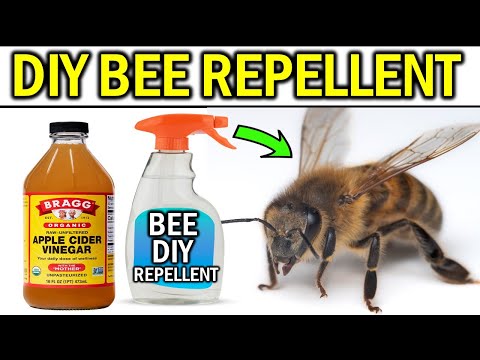
You’ve got a few safe, simple options for keeping bees at bay. Natural repellents, traps, certain plants, or carefully removing a hive—each method works best depending on where the bees are hanging out and how many you’re dealing with.
Using Natural Bee Repellents
Natural repellents are a gentle way to send bees packing. Scents like citronella, peppermint, eucalyptus, and lemongrass seem to throw them off.
Try citronella candles or spray a bit of diluted essential oil around your yard.
Garlic can help too. Crush a few cloves, soak them in boiled water overnight, then use that water to spray spots where bees gather.
Cinnamon and cloves sprinkled near hive spots or entry points can make a difference.
Mothballs sometimes work, but use them with care. Hang them near doors or windows if you must, but keep them away from kids and pets.
Setting Up Bee Traps and Bee Spray
Bee traps can lure bees in and keep them contained without killing them. You can buy traps or make your own with sugary water or fruit juice inside a container with small holes.
Once bees crawl in, they can’t get out, so you can move them somewhere safer.
If you want something extra, try a natural bee spray made with essential oils like citronella or eucalyptus. Spray it on furniture, porch areas, or plants where bees gather.
Just avoid spraying flowers or veggie plants—let’s not mess with the good pollinators.
Combining traps and sprays usually does the trick if you want to manage bees gently.
Deterring Bees with Plants and Scents
Certain plants naturally keep bees away, mostly because they can’t stand the smell. Mint, marigolds, lemongrass, and eucalyptus do a solid job.
Plant them in your garden or stick a few pots near doorways.
Citronella candles work well too, especially on porches or during a backyard BBQ.
You can even mix up a spray with essential oils like citronella, cinnamon, and cloves. Spritz it around the yard to keep bees at a distance without hurting helpful bugs.
Safely Removing Beehives
If bees have built a hive close to your house, you need to handle it carefully. Don’t kill the bees—they’re too important.
Smoke calms bees and makes the hive easier to handle.
Honestly, calling a beekeeper or pest control expert is your safest bet. They know how to move a hive without harm.
If you absolutely have to do it yourself, wear protective gear and use smoke or natural repellents to push the bees out before you move the hive.
Handle beehives with care to protect your family and the bees.
For more step-by-step info, check out How to Get Rid of Bees: 15 Steps (with Pictures).
Understanding Different Types of Bees and Prevention Tips
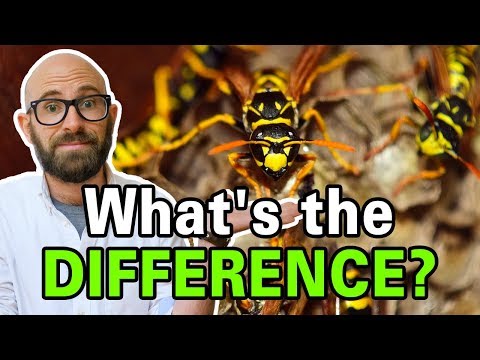
Figuring out what kind of bees you’re dealing with makes a big difference. Different bees nest in different places and act in their own unique ways.
You can take a few simple steps to stop bee issues before they start—and it’s good to know how to protect yourself if you do get stung.
Identifying Bee Species and Nesting Habits
You’ll probably see bees like honeybees, carpenter bees, and ground bees.
Honeybees build hives in trees or tucked into walls.
Carpenter bees drill little holes in wood—think decks or under the eaves.
Ground bees dig into bare patches of soil in your yard.
Here’s a quick way to spot the difference:
| Bee Type | Nest Location | Key Trait |
|---|---|---|
| Honeybees | Hives in trees/walls | Furry, social |
| Carpenter Bees | Wood holes | Large, shiny body |
| Ground Bees | Soil burrows | Smaller, less hairy |
Knowing what you’re dealing with helps you choose whether to call a beekeeper or try another approach.
Preventing Future Bee Problems
Here are a few things you can do to keep bees away:
- Seal up cracks and holes in your walls or wood outside.
- Get rid of old lumber or wood piles that carpenter bees love.
- Keep trash cans closed tight so bees don’t sniff out a snack.
- Plant bee-friendly flowers farther from your house to lure bees away.
- Sprinkle cayenne pepper or natural repellents near nests to make the spot less appealing.
Try not to wear bright colors or sweet perfume outside. If you cut down on their food sources, bees are less likely to bother you.
Dealing with Bee Stings
If you get stung, try to stay calm. Use a fingernail or even a card to scrape the stinger out as soon as possible.
Don’t pinch it—doing that might squeeze out more venom. After you remove the stinger, wash the spot with soap and water.
Grab a cold pack and press it gently on the area to help with swelling. You can take an over-the-counter pain reliever or antihistamine if you’re uncomfortable.
Keep an eye out for any weird reactions, like trouble breathing or swelling that spreads far from the sting. If that happens, don’t wait—get medical help right away.
If you’re looking for a mild way to keep bees away, try sprinkling a bit of cayenne pepper around your outdoor spaces. Just never put it directly on your skin. It might help deter bees, and it won’t hurt them.


