
Ever spot a lanky, spotted newborn and wonder what you’re supposed to call it? A baby giraffe goes by the name “calf.” That word might sound simple, but it opens a whole world of stories about how these leggy kids grow, move, and survive out there in the wild.

Stick around and you’ll get some quick facts about calves—how fast they get on their feet, what they munch on, and how their moms look out for them.
I’ll keep it short and easy to picture, so you can almost imagine a calf’s first wobbly steps.
What Do You Call Giraffe Babies?

Let’s get into the exact name for young giraffes, where it comes from, and how people talk about giraffes at different ages.
You’ll find straightforward facts here about giraffe calves and the words people use for them.
Giraffe Calf: The Official Name
People call a baby giraffe a calf. Zookeepers, scientists, and conservationists all use this word when they talk about newborns and young giraffes.
At birth, a calf usually stands about 1.8 meters (that’s around 6 feet) tall. They weigh somewhere between 60 and 150 pounds, depending on the subspecies and the individual.
Calves manage to stand and walk within an hour after they’re born. That quick start really matters—predators are out there, and young giraffes need to move fast.
Calves stick close to their mothers for months as they learn to feed and dodge danger.
If you want more details on calf size and early life, the Giraffe Conservation Foundation has a solid page here: Giraffe Conservation Foundation.
Origin of the Term Calf
The word “calf” started out describing young hoofed mammals—think cows or deer. Over time, people just started using it for other big mammals, like giraffes, whales, and elephants.
You’ll see “calf” pop up in scientific writing and in regular articles because it’s short and pretty much everyone gets what it means.
Using “calf” for a baby giraffe connects them to other hoofed animals in how they’re born and raised. They’re born big, stand up quickly, and rely on mom’s milk at first.
Dictionaries and wildlife groups stick with “calf” when they talk about baby giraffes.
Names for Baby Giraffes at Different Stages
Most folks just use “calf” for any young giraffe, but sometimes you’ll see more detail. In the first days or weeks, you might come across “newborn calf” or “neonate,” especially in scientific texts.
These words highlight that early, vulnerable period right after birth.
As calves grow, some people call them “juvenile” or “subadult” to show they’re not tiny babies anymore but not quite adults either.
Zoos and field researchers might use exact age labels, like “6-month-old calf,” when they’re tracking growth or health.
But really, you won’t find many special names—calf, juvenile, and subadult pretty much cover it.
Fascinating Facts and Early Life of Giraffe Calves
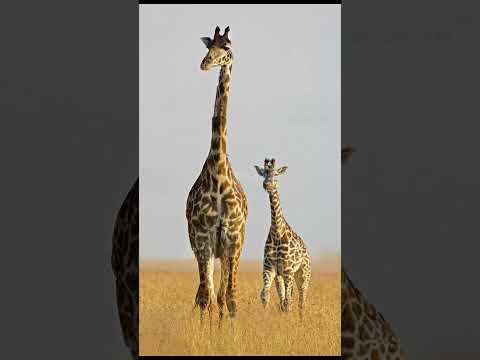
Let’s look at how giraffe calves come into the world, how big they are, what sets them apart, and how their moms (and sometimes the herd) help keep them safe.
Birth Process and Calving
Giraffes give birth standing up. The calf drops about 5 to 6 feet (roughly 1.5–1.8 meters) to the ground—kind of a rough landing, but it helps the baby breathe right away.
Labor doesn’t usually last long. Once things get going, the birth often wraps up within minutes.
Moms usually have just one calf after a long 15-month pregnancy. Twins almost never happen.
After birth, you’ll see the mother lick her calf clean and bite off the umbilical cord. That cord dries up and falls away in a few days.
For the first weeks, mothers stay close and keep a watchful eye on their calves. Lions and hyenas are the biggest threat, so moms sometimes hide the newborn or stick to a small group for extra safety.
How Tall Are Baby Giraffes?
Most calves stand about 6 feet tall (about 1.8 meters) right from the start. Their height can vary a bit depending on the subspecies and the calf itself.
At birth, they usually weigh between 100 and 150 pounds (45–70 kg).
Calves put on weight fast. During the first week and month, you’ll notice steady growth.
They double much of their size in the first year. By around four years old, they’ve hit adult height, though males keep bulking up for longer.
Being tall early on helps calves reach leaves before smaller animals can. Still, they nurse for about a year while learning to eat acacia leaves and other plants.
Ossicones and Unique Baby Features
Newborn giraffes have soft, flat ossicones—the little horn-like bumps on their heads. These aren’t attached to the skull yet, but over the next few months, they firm up and become the small horns you see on adults.
From day one, each calf has its own unique coat pattern. Those spots are like fingerprints—no two are the same—so you can tell individuals apart.
Even baby giraffes have long lashes and a long tongue, which come in handy for feeding.
Other features you’ll notice: a short mane and those famously long, awkward legs. These traits help calves stand up quickly and even run within hours if they need to.
Moms clean their calves, which helps reduce scent and makes it harder for predators to track them down.
Calf Care and the Calving Pool
Mothers usually take care of their newborns, nursing them for about a year. You’ll notice calves sticking close—just a few meters from their mothers—for both safety and feeding.
Nursing delivers important antibodies through the first milk, which boosts the calf’s health. This first stage really matters for their survival.
After a few weeks, calves might join a crèche or nursery group. In these groups, several mothers gather their calves together and leave them under watch.
This shared-care setup lets mothers wander off to feed or move while other adults keep an eye on the little ones. It’s a practical system, honestly.
Sometimes giraffes form loose groups called a calving pool. Here, multiple pregnant females give birth in the same spot over time.
This approach raises group vigilance and cuts down the risk for each individual. Bulls don’t usually raise calves, but some males in the herd might help defend territory from predators.


