
Ever spot a deer in the woods and wonder who’s brave enough to hunt it? Big carnivores like wolves, mountain lions, and bears go after adult deer, while coyotes, bobcats, and even eagles usually stick to fawns or weaker animals. Let’s dig into which predators actually hunt deer, why they succeed, and where deer fit into the whole food chain.

Some predators get an edge because of their size, teamwork, or the places they live. Deer, on the other hand, have their own habits and diets that change their risk level—sometimes they’re just in the wrong place at the wrong time. I’ll share clear examples of who hunts deer and why some attacks work out while others don’t.
Natural Predators of Deer
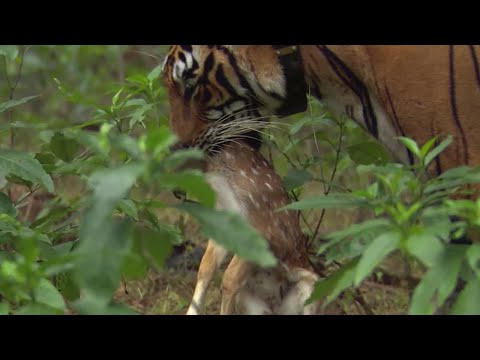
Deer have to deal with a surprising lineup of meat-eaters. Some go after fawns or yearlings, but a few will take on adults. These predators shape deer numbers in forests, fields, and those edge spots where everything meets.
Wolves and Coyotes
Wolves hunt in packs and regularly take down adult white-tailed deer, elk, and red deer. The pack works together: they track, tire out, and then corner a weak deer. In places with lots of wolves, they can really cut deer numbers and help keep forests from getting overbrowsed.
Coyotes might be smaller, but they’re a big deal for fawns. You’ll often see coyotes snatching newborns in spring and early summer when the little ones get left alone. Coyotes hunt solo, in pairs, or sometimes in small groups. They also scavenge gut piles left by hunters or roadkill, which adds to their diet and speeds up how fast deer remains disappear.
Mountain Lions and Bobcats
Mountain lions (or cougars) are sneaky predators, especially out west or in parts of the East. A single cougar can kill a lot of deer each year, mostly adults, especially where thick cover lets them sneak close. You’ll find more cougar kills in brushy, forested areas.
Bobcats stick to smaller deer or fawns. They almost never take down a healthy adult whitetail, but they’ll go after yearlings or weak deer. Bobcats like mixed woods, swamps, and farm edges. They don’t have as big an impact as cougars, but they still matter for fawn survival.
Bears
Black bears and brown bears eat deer if they get the chance, usually fawns or hurt adults. Bears eat just about anything, but they love easy, high-calorie food like berries or fish if they can find it. Still, in spring and early summer, you’ll see them searching for fawns near bedding spots.
Bears also scavenge carcasses, including gut piles hunters leave behind. That cleaning up makes deer remains vanish faster and can attract other scavengers. In places with elk or big red deer, big bears might hunt larger prey, but when it comes to whitetails, bears mostly act as opportunists.
Other Predators and Scavengers
Other critters get in on the action too. Alligators in southern swamps, orcas snatching swimming moose in Alaska, and wolverines or eagles picking off fawns or scavenging. Sometimes bald eagles will even grab newborn fawns in open spots. Vultures and coyotes often clean up what’s left behind.
Scavengers play a big role by getting rid of dead stuff and helping control disease. Human hunters actually cause the most deer deaths in a lot of places, and sometimes domestic dogs kill deer near neighborhoods. If you’re thinking about wildlife management, you have to factor in all these predators when planning habitat, hunting seasons, or protecting fawns.
Deer Diet and Their Place in the Food Chain

Deer eat a wild variety of plants, and their menu changes with the seasons. Their feeding shapes forests, fields, and even your backyard when they munch on leaves, fruits, and young trees.
What Deer Eat
Deer stick to plants—leaves, twigs, and soft shoots from shrubs and trees. In spring and summer, they love tender leaves, forbs, clover, and wildflowers like asters and daylilies. You’ll catch them browsing on maple, willow, aspen, and young oaks or beeches.
When fall rolls around, they switch to high-energy foods—acorns (especially from white oaks), hickory nuts, chestnuts, and wild berries like blackberries and raspberries. Late in the season, they eat mast and woody browse: buds, bark, and evergreen stuff like arborvitae and holly.
They’ll also raid farm fields for corn, soybeans, wheat, alfalfa, brassicas, and potatoes. Garden veggies—tomatoes, carrots, eggplants, and tulips—aren’t safe either. Some plants, like yew and a lot of ornamental rhododendrons, are toxic and deer usually avoid them.
Deer Forage and Feeding Behavior
Deer have four stomach chambers, so they’re built for eating fibrous stuff. You’ll see them take little bites, then move off and lie down to ruminate and digest.
They go for the good stuff when they can. When does are nursing fawns or bucks are growing antlers, you’ll see them eating more protein-rich foods like legumes and young shoots. In rough winters with deep snow, they have to rely more on woody plants and whatever mast they can find. Deer tend to feed at dawn and dusk, bed down during the day, and graze along edges where they feel safe.
Attracting and Feeding Deer
If you want deer to visit, plant clover, alfalfa, fruit trees (apples, pears, persimmons), and berry bushes. Corn, sunflower, and grains bring them in fast. Some folks put out salt or mineral licks, but you should check your local rules before doing that.
Skip the processed food. Native browse, fenced gardens, or managed food plots with soybeans, brassicas, or white clover work best for wildlife. If you hope to watch deer up close, provide cover and water nearby and plant things so there’s always something nutritious around, no matter the season.
Risks and Benefits of Supplementing Deer Diets
Adding supplements to a deer’s diet can really help them survive tough winters. It also supports antler growth by giving them extra protein and minerals.
People often use managed food plots with legumes and grasses to improve nutrition. Healthier fawns and bucks usually follow.
Still, feeding deer comes with some real risks. When you gather deer in one spot, you make it easier for diseases to spread.
Deer might also change how they move, and sometimes they end up damaging crops. Some places even have strict rules about feeding wildlife.
You might notice more predators or even more car accidents near feeding sites. If you do decide to feed, try to limit how many deer gather at once.
Rotate your food plots, and don’t feed them all year long. This helps deer keep their natural foraging habits.
Honestly, it’s smart to check with local wildlife authorities before you begin. They’ll have advice specific to your area.


