
So, what eats a deer? They eat all sorts of plants—nuts, fruits, crops, leaves, woody stems—and honestly, their favorites shift with the season and their neighborhood. If you know these main foods, you’ll spot deer activity, keep gardens safer, or make better choices for hunting or habitat plans.

Picture oak woods, orchards, soybean fields, or even your backyard shrubs. Deer will nibble on all of them if they’re around.
The rest of this article breaks down what deer eat most, and how local plants and changing seasons tweak their menu. You can use that info wherever you live.
What Can Eat a Deer? Core Foods in the Deer Diet
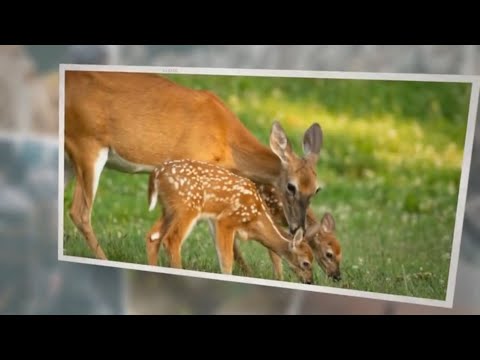
Deer munch on nuts, legumes, fruits, and grains, but the mix changes as the year rolls on. These foods decide where deer wander, how much they eat, and even how big antlers get.
Acorns and Oak Trees
Acorns top the list for many deer, especially in the fall. White oak acorns and those from other oaks drop in piles, and deer gobble them up for calories.
When acorns rain down, deer will crowd into oak stands and beat trails straight to the best trees. You might want to keep an eye on acorn crops—a bumper year can totally shift deer feeding and bedding habits.
Chestnuts and beechnuts work the same in some places, pulling deer in just like acorns do. Oak groves or scattered oaks in fields? Those spots are classic deer magnets.
Clover, Alfalfa, and Legumes
Clover and alfalfa pack a protein punch and draw deer from spring through fall. These legumes help does raise fawns and give bucks the nutrients they need for antler growth.
You’ll spot deer in clover patches, fresh alfalfa fields, or along farm edges where cowpeas and other legumes grow. Legume fields give deer both food and a bit of cover, so they’ll feed and even bed down there.
If you plant small plots, keep an eye on them. Deer can wipe out a patch pretty quick.
Favorite Fruits: Apples, Pears, and Persimmons
Apples, pears, and persimmons are high-calorie snacks when they ripen and hit the ground. Deer eat the fruit, then move on to twigs and buds after the fruit’s gone, so orchards and wild fruit trees stay useful all year.
Wild berries—raspberries and blackberries—matter in some regions, too. Deer hit berry patches when they’re ripe, no question.
Fruit crops can shift deer movement overnight. Pay attention when trees start dropping fruit if you want to find a short-term feeding hotspot near orchards or fences.
Corn, Soybeans, and Cereal Grains
Corn and soybeans are big lures, especially around farms. Corn offers high-energy kernels in fall and winter, while soybeans attract deer for their green leaves and later for the dried pods.
A freshly picked cornfield? That’s a feeding frenzy waiting to happen. Cereal grains like wheat, oats, and milo (grain sorghum) pull deer at different times—young shoots in spring, seed heads in late summer, and leftover grain after harvest.
Farmers’ planting and harvest schedules pretty much set when and where deer focus on these crops.
Seasonal and Regional Foods Deer Eat

Deer change up their menu with the seasons and local plants. You’ll notice them switch from soft, green plants in spring to high-energy nuts and woody stuff in fall and winter.
Forbs, Grass, and Tender Leaves
In spring and summer, deer chow down on forbs—broad-leaved plants like asters, raspberries, and even garden flowers. You’ll see them nibbling sunflower sprouts, daylilies, tulips, and hosta leaves since these are juicy and easy to digest.
Grasses show up more in their diet out in open fields, but deer go for young, short blades over dry, old grass. Since deer are ruminants, they need high-quality, easy-to-digest plants when they’re active or raising fawns.
Garden veggies like tomatoes, potatoes, and eggplants are fair game if deer can reach them. Want fewer deer visits? Try deer-resistant plants or proven repellents.
Woody Browse: Leaves, Twigs, and Saplings
When green plants get scarce, deer turn to browse—leaves, twigs, and young saplings. They’ll feed on willow, maple, aspen, and staghorn sumac shoots.
In winter, acorns and other hard mast become crucial for fat reserves. Deer strip bark and bite buds on saplings, which can really slow down forest regrowth.
Some woody plants like yew, holly, and arborvitae end up on the menu when times get tough, even though deer don’t love them. Wildlife managers keep tabs on this browsing to balance deer numbers and protect young trees.
If you want your saplings to survive, fencing or tree guards help a lot.
Garden and Landscaping Plants
Deer show up in yards all the time, searching for an easy meal. They seem to love azalea and rhododendron leaves, picking them out whenever they can.
Shrubs like honeysuckle and raspberry canes usually end up on their menu, too. Sometimes, deer will even nibble on English ivy or lichen, though those aren’t their favorites.
Perennial beds? Those are always at risk. Hostas, tulips, and daylilies—deer just can’t resist them.
If you want to protect your garden, you’ll need to get creative. Try picking plants that deer don’t usually like, and put up some physical barriers.
Repellent sprays can help, and motion-activated lights sometimes do the trick if your area allows them. Another idea: plant sacrificial crops like sunflowers away from your favorite beds to tempt the deer elsewhere.


