
Ever wake up and spot a weird little cluster of three itchy red dots on your skin? Yeah, that’s unsettling. Bites that show up as three dots in a triangle usually come from bed bugs.
These bites often pop up in a small group or line, and honestly, they can itch like crazy.

But hey, not every bug bite with three dots comes from a bed bug. Other insects can leave similar marks, but bed bugs are the usual suspects when you see that triangle pattern.
Knowing what to look for makes it easier to figure out if you’re dealing with bed bugs or something else.
Curious about why these bites show up, what they really look like, or how to handle them? Stick around. You’ll get some tips to spot the difference and figure out when it’s time to take action.
What Kind of Bite Looks Like 3 Dots?
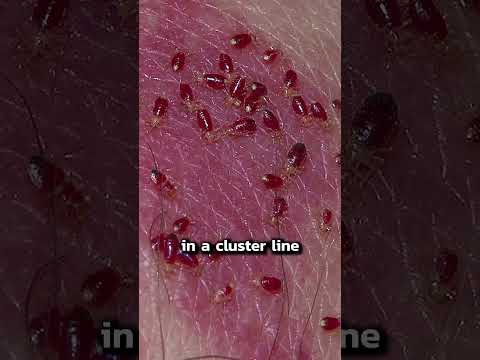
If you see a bite with three clear dots, it usually points to certain insects. That pattern can help you figure out if bed bugs or fleas are the problem.
Each insect leaves its own mark, so knowing these details can help you treat the bites the right way.
Common Patterns and What They Mean
Bites that show three dots usually line up in a row or form a triangle. The number and shape of the dots give you clues about the bug.
For instance, bed bug bites tend to show up as clusters with three or more red marks close together.
You’ll often see these clusters either in a straight line or a small triangle. That suggests the bug bit you more than once in the same spot.
Flea bites can show up in groups too, but they look more scattered and less organized.
Notice the itching, swelling, and where the bites are on your body. These details matter and help you figure out what’s biting you.
Bed Bug Bites: The Classic ‘3 Dots’ Pattern
Bed bugs have a reputation for leaving three dots on your skin, usually in a little triangle. They bite the same area a few times while feeding.
You’ll get red bumps that itch—a lot.
These bites usually show up on exposed skin like arms, legs, or your neck. Bed bug bites often appear in groups or lines.
Look for tiny dark spots on your bedding too. That’s bed bug waste, and it’s a pretty big clue.
If your bites fit this pattern, it’s a strong sign bed bugs are around. They can hide well, so check your mattress and bed frame carefully.
Flea Bites and Triangular Arrangements
Flea bites sometimes look like three dots, but the pattern isn’t as neat as with bed bugs. Fleas bite fast and often go for your lower legs or feet.
They leave small, itchy red spots.
Their bites might group together, but you probably won’t see perfect triangles—just scattered clusters.
Flea bites can have a red halo or a bit of swelling.
If you have pets, fleas are more likely the cause because they live on animals. You might even see fleas jumping or spot them in your pet’s fur.
Flea bites tend to sting a bit more right after you’re bitten, compared to bed bug bites.
Want more info? Check out this detailed guide on what bug bite has 3 dots in a triangle.
How to Identify and Respond to Triple-Dot Bites

Bites showing three red dots in a pattern can come from a few different insects. Spotting the differences, knowing when to get help, and finding ways to protect yourself helps you stay comfortable.
Distinguishing Between Bed Bug, Flea, and Other Bites
Triple-dot bites usually mean bed bugs. You’ll see three small red dots in a row or triangle, often on skin exposed while you sleep—like your arms or neck.
These bites itch and might swell up.
Flea bites can leave small red spots too, mostly around your ankles or lower legs. They show up in clusters but don’t usually make a triangle.
Other bugs, like ants or some spiders, rarely cause a three-dot pattern but can leave multiple bites.
Ant bites often leave a painful, red bump and sometimes blisters.
Spiders like the brown recluse or black widow don’t make triple dots, but their bites cause pain, muscle spasms, or a spreading rash.
Figuring out exactly what bit you helps you treat it and avoid more bites. If you spot small, red triple dots—especially in a line or triangle—bed bugs are probably to blame, especially on skin exposed during sleep.
When to Worry: Allergic Reactions and Infections
Most insect bites heal up on their own. But keep an eye out for swelling that spreads, pain that gets worse, warmth, pus, or red streaks. These could mean an infection.
Some people react strongly to bugs like wasps or ants. Watch for trouble breathing, dizziness, swelling in your face or throat, or feeling weak. That could be anaphylaxis, which needs emergency care.
Spider bites, especially from brown recluse or black widow spiders, can cause muscle spasms, fever, or serious pain. Tick bites might spread illnesses like Lyme disease or Rocky Mountain spotted fever.
If you notice fever, rash, or flu-like symptoms days after a bite, see a doctor.
Taking care of bites quickly and keeping an eye on your body helps prevent bigger problems.
Prevention and Next Steps
If you notice triple-dot bites, it’s probably smart to focus on bed bug prevention. Check your mattress seams, bedding, and furniture for dark spots or little bugs.
Try using mattress covers. Wash your sheets often in hot water—seriously, it makes a difference.
When it comes to fleas or other bugs, keep your pets treated. A clean home helps too.
If you’re heading outdoors, use insect repellent. That’ll help protect you from ticks, mosquitoes (they can carry stuff like Zika or West Nile), and even flies—deer flies, horse flies, black flies, you name it.
Got bitten? Wash the area gently with soap and water. Don’t scratch, tempting as it is. You can use ice or an antihistamine cream to calm the itching.
If the bites get worse or you notice a fever, definitely talk to a doctor. Watch for changes in your skin and stay alert for any signs of a serious reaction. That way, you’ll catch problems early and stay safe.


