
If you get a bee sting, you might wonder if it’s okay to just leave it alone. Honestly, it’s not a great idea—if you leave a bee sting untreated, the stinger keeps pumping venom in, making the pain and swelling worse.
The longer that little stinger sits in your skin, the more your symptoms ramp up.

You might hope the sting will heal on its own. But the venom can make things more uncomfortable or even trigger allergic reactions if you ignore it.
If you remove the stinger quickly, you lower the risks and stop more venom from getting in. What you do right after a bee sting really shapes how you’ll feel later.
A lot of people shrug off bee stings as no big deal. Still, it’s smart to pay attention to your body’s reaction.
Maybe you’ll just get some swelling, or maybe it’ll be worse. Either way, acting fast can keep things from spiraling.
Let’s look at why treating a bee sting quickly actually matters—and what you should do next.
What Happens If You Leave a Bee Sting Untreated?
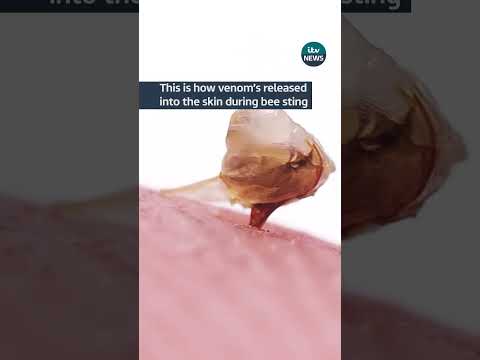
If you leave a bee sting untreated, the stinger usually stays in your skin and keeps releasing venom. That can make the pain and swelling worse, and sometimes it even leads to infection.
Your body’s response to bee stings can also get stronger over time if you don’t treat them.
Venom Release and Stinger Retention
When a honey bee stings you, it leaves its stinger behind. That stinger works like a tiny syringe, pumping venom for up to a minute or more.
The longer it’s stuck in there, the more venom ends up in your skin.
You’ll feel more discomfort and might have a bigger reaction the longer the venom goes in. If you get the stinger out fast, you stop most of the venom.
If you wait, the symptoms can get worse since the venom keeps working under your skin.
Potential for Increased Pain and Swelling
If you let the stinger stay, you’ll probably notice the area gets more painful and swollen as time goes on. Bee venom has stuff in it that really irritates your skin.
The swelling can spread out from the sting spot, making a big, red, hot, and tender area.
You might feel itching or a burning sensation too. Even if you’re not allergic, stings that go untreated usually hurt more and take longer to heal.
Risk of Infection
Leaving the stinger in your skin raises your risk for infection. Sometimes the stinger brings in dirt or bacteria as it goes in.
Watch out for these signs of infection:
- More redness or warmth around the sting
- Pus or any weird discharge
- Fever or chills
If you spot any of these, you’ll probably need medical help to stop the infection before it gets worse.
Long-Term Effects
Sometimes, if you don’t treat a bee sting, you can end up with lasting problems. Your skin might scar or get dark spots if there’s a lot of swelling or an infection.
If you leave stingers in and get stung a lot, your body might get more sensitive. That can mean stronger allergic reactions the next time.
Most people avoid these problems by removing the stinger right away. It really helps reduce how much the sting messes with your skin and immune system.
You can find more about venom and what happens if you leave a bee stinger in at what happens if you leave a bee stinger in.
Serious Reactions and When to Get Medical Help

Most of the time, you can handle a bee sting at home. But sometimes your body goes a little haywire, and you need to act fast.
Knowing the warning signs and when to get emergency help can really make a difference.
Severe Allergic Reaction Warning Signs
A severe allergic reaction usually pops up soon after you get stung. You might see swelling that spreads way beyond the sting or just feels way more painful than expected.
Sometimes you get hives or redness over big patches of your skin.
You could feel dizzy, weak, or even get a headache. If your chest feels tight, you have trouble breathing, or your voice sounds weird or hoarse, your airway might be swelling up.
If your mouth or tongue gets puffy or you start coughing, call for help right away. These signs mean your body is having a strong reaction and you need fast care.
Anaphylaxis and Emergency Response
Anaphylaxis is a severe, life-threatening allergic reaction. It comes on quickly and can block your breathing.
If you have trouble breathing, feel faint, or notice your blood pressure dropping, get emergency help immediately.
If you have an epipen, use it as soon as symptoms start. The epipen gives you medicine that opens your airways and gets your blood flowing better.
Even after using it, you should still see a doctor or go to the ER, since symptoms can come back.
Emergency responders will give you more treatment to keep you stable and safe.
Multiple Stings and Complications
Getting stung by bees or wasps more than once really ups the risk of serious trouble. The venom piles up faster, making the pain and swelling worse—and yeah, sometimes it can even lead to poisoning.
If you end up with several stings, pay attention to how you feel. Nausea, headaches, weakness, or confusion might pop up. That could mean your body’s struggling to keep up.
Don’t wait around if this happens. Head to a doctor as soon as you can. They’ll have ways to ease the effects and keep an eye out for any nasty surprises.
Ignoring a bee sting, especially after several stings or if you spot those warning signs, just isn’t worth the risk. For more info, check out When to See A Doctor For a Bee Sting.


