
When a bee stings you, that sharp pain feels way worse than a simple pinch. Bees inject venom packed with chemicals like melittin, and that stuff kicks off pain and swelling almost instantly. The venom works as the bee’s defense, making you back off and hopefully leave it alone.
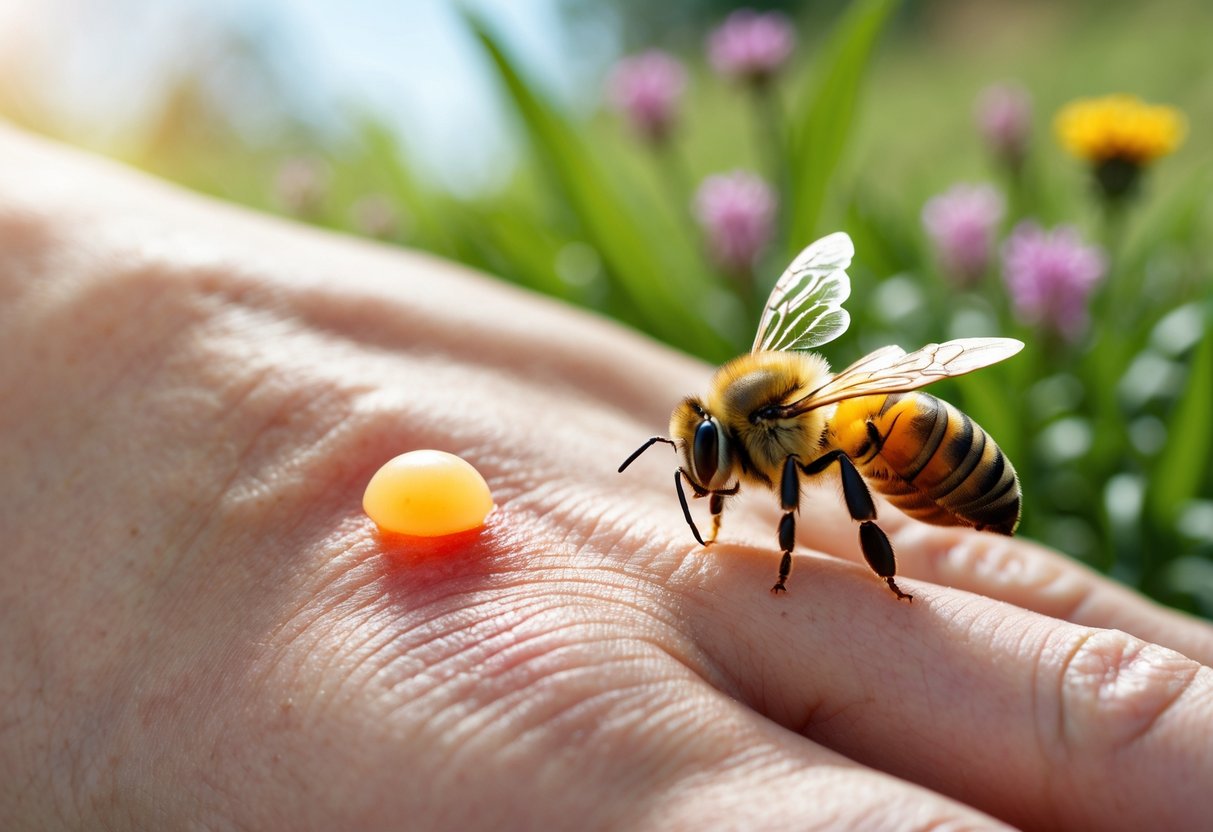
You might wonder why the pain sticks around or why the sting swells up so much. Your body jumps into action, sending out chemicals to fight the venom, which leads to redness, itching, and soreness.
If you know what’s happening under your skin, it’s easier to stay calm and treat it right.
What Makes Bee Stings So Painful?

Bees inject venom when they sting, and that’s what causes the sharp pain and swelling. The venom has a chemical that lights up your skin’s pain signals.
The way a bee’s stinger works also changes how much it hurts and how long it lasts.
The Role of Bee Venom and Melittin
Bee venom is a wild cocktail of chemicals, but melittin is the main culprit behind the pain. Melittin attacks your cells and stirs up inflammation, so the sting area gets red, swollen, and sore.
It also sets off your immune system, which just adds to the discomfort.
Venom doesn’t just stop at melittin; it’s got enzymes and histamine too. These make your skin extra sensitive and ramp up the pain.
You’ll notice the sting almost right away because the venom acts fast.
How Bee Stingers Trigger Pain Receptors
Your skin has these little sensors called pain receptors that notice when something’s wrong. When a bee’s stinger pokes your skin, it breaks some cells and drops in venom.
Melittin then irritates those pain receptors, firing signals straight to your brain that scream, “Ouch!”
This fast reaction helps you yank your hand away before things get worse. The pain feels sharp or even burning because melittin hits a bunch of different receptors.
That’s why a bee sting can be so intense at the start.
Barbed vs. Smooth Stingers and Their Effects
The type of stinger matters. Honeybees use a barbed stinger, so when they sting, the barbs stick in your skin.
The stinger snaps off, which is fatal for the bee, but the venom keeps flowing into your skin for a bit. That’s why the pain can drag on.
Bumblebees, on the other hand, have smooth stingers. They can sting you more than once since their stinger doesn’t get stuck.
The pain is usually sharp but fades faster because the venom stops when the bee leaves.
Knowing these differences helps explain why some stings are worse or last longer than others.
Bee Sting Reactions and Severe Responses

Your body reacts in all sorts of ways when a bee stings you, depending on your immune system and whether you’ve been stung before. Some folks just get pain, but others can have scary allergic responses that need quick attention.
Common Local Bee Sting Reactions
Most bee stings cause pain, redness, and swelling right where the sting happened. That’s because the venom sets off your pain sensors and immune system.
You might feel itching or a little warmth around the spot too.
Usually, these symptoms last a few hours to a couple days. Cleaning the area, putting on some ice, and taking pain relief can really help.
If swelling spreads beyond the sting or you feel worse, it’s smart to check in with a doctor.
Moderate to Severe Allergic Responses
Some people get a much stronger reaction after getting stung. You might see redness and swelling far from the sting, hives, or serious itching.
Breathing trouble, swelling in your face or throat, dizziness, or stomach pain are signs things are getting serious.
If you notice any of that, you need medical help right away. Doctors usually give antihistamines or steroids to calm the allergic reaction and bring down swelling.
Anaphylaxis and Anaphylactic Shock
Anaphylaxis can hit fast. It’s a severe, life-threatening allergic reaction, and honestly, it might show up just a few minutes after a bee sting.
You might suddenly struggle to breathe. Your heart could start racing, or your throat might swell up badly. Some folks even lose consciousness, or their blood pressure just plummets out of nowhere.
If you already know you’re allergic, don’t leave home without your epinephrine injector. At the first sign of trouble, use it right away and call for emergency help.
Learning about these reactions really could help you stay safe if you ever get stung. If you want more details, check out severe allergic reactions to bee stings.


