
When you think about birds that usually get names, the answer feels pretty straightforward—folks name the ones they see a lot or find interesting.
Common birds, those with quirky features, or ones important to local culture and nature usually end up with names you’d recognize. These names make it easier to spot and learn about the birds around you.

People use two kinds of bird names: the everyday ones and the scientific ones. You’ll hear the everyday or common names most when you’re out birdwatching or chatting about birds.
Experts stick to scientific names, which use Latin, to avoid mix-ups—since some birds share the same common name but are totally different.
You probably already know the names of local birds like robins, sparrows, or eagles. These birds stand out because they’re everywhere or have something unique about them.
Learning why and how birds get their names can make your next bird search a bit more fun. If you’re curious, you can dig into this guide on how birds are named.
Most Commonly Named Birds
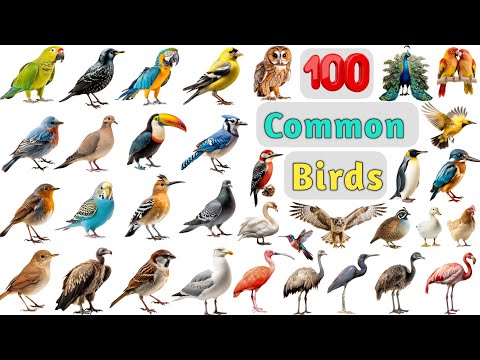
You’ll usually hear about birds that stick close to people, popular pets, or ones that hang around water and wild spots.
A lot of bird names just describe how they look or act, which honestly makes them pretty easy to remember.
Familiar Garden Birds
In your garden, you might spot robins, sparrows, and finches. The American robin stands out with its red breast.
The house sparrow (Passer domesticus) often chirps near homes, making it hard to miss.
Wrens and chickadees are small but surprisingly loud. Wrens sing bubbly songs, and chickadees are named after their “chick-a-dee” call.
Goldfinches bring a splash of yellow to gardens.
You might also see the blackbird, known for its black feathers and lovely song. European starlings show up in flocks, their feathers shiny and speckled.
Popular Pet Birds
People keep birds like parrots, canaries, and budgerigars as pets. Parrots have bright colors and can even learn to mimic words.
A lot of pet birds catch your eye with their bright feathers, like cardinals, which even show up in art and decorations.
Some smaller pet birds look a lot like wild finches or lovebirds. Pet birds usually get names based on their species or breed.
Their friendly personalities make them a favorite in homes.
Well-Known Water Birds
If you wander by lakes or rivers, you’ll probably notice birds like ducks, geese, and swans. The mallard duck is super common, especially the males with shiny green heads.
You might catch a glimpse of terns flying fast over water, hunting for fish. Herons and bitterns often stand perfectly still near the shore.
Other water birds you might spot include the spoonbill, named for its spoon-shaped bill, and the shoveler, which scoops up food with its broad beak.
Frequently Named Wild Species
Out in the wild, birds like hawks, owls, and woodpeckers have pretty well-known names. Red-bellied woodpeckers hammer away at trees to find bugs.
Owls get special names based on their hoots, like the barn owl. You could run into buzzards or falcons—both are birds of prey and pretty good hunters.
Wild songbirds like warblers and larks fill the air with song in spring. The magpie is famous too, mostly for its black and white feathers and noisy voice.
These wild birds usually get names that match their behaviors, sounds, or favorite places, which makes them easier to spot.
How Birds Get Their Names

Bird names usually tell you something about how the bird looks, sounds, or where it hangs out. Some names help you picture the bird, while others come from the culture or spot where people first found it.
These naming styles show the ways people connect with birds.
Descriptive Naming Based on Features or Behavior
A lot of bird names come straight from how the bird looks or acts. Take the Blue Jay—it’s called that because of its bright blue color.
Others get named for what they do, like the “woodpecker,” which pecks at trees.
Scientists sometimes use colors, size, or shape in the scientific name to help you tell birds apart. These names make it a bit easier to spot differences.
People often use the male bird for naming since it’s usually more colorful. That can make finding the female a little tricky if she looks different.
Influence of Bird Sounds on Naming
Bird sounds play a big part in naming too. Some birds have names that copy their calls or songs.
The Chickadee, for example, sounds like it’s saying “chick-a-dee-dee.” That sort of naming helps you remember birds just by their noises.
It’s almost like nature hands out nicknames. Names based on sounds come in handy, especially when you can’t see the bird.
Sometimes, you just have to listen to figure out who’s around.
Geographical and Cultural Naming Origins
People sometimes name birds after the places where they spot them or the folks who first described them. Take the Anna’s hummingbird—it’s named for a person. The Carolina wren, though, gets its name from its home region.
Bird names often include places just to show where you’ll usually find them. That makes it easier to figure out where a bird feels at home.
Some scientific names even carry hints of culture or history from the people who named them. These names might tell a little story about how someone discovered the bird, or who played a part in that moment.
If you want to dig deeper into these naming trends, check out the AvianLexiconAtlas.


