
Ever wondered if Alfred Hitchcock’s classic film The Birds was actually based on a true story? You’re definitely not alone. The movie’s creepy, chaotic bird attacks seem so believable that it’s easy to think there’s some real-life inspiration behind them.
Hitchcock did take inspiration from odd bird behavior and a short story, but the film isn’t a direct retelling of any one true event.

The idea for The Birds started with Daphne du Maurier’s 1952 story and some bizarre bird incidents, but Hitchcock made it his own. He gathered reports of weird bird attacks and natural outbreaks, then twisted them into something scarier. The movie’s wild attacks came from a mix of live birds and special effects, not from one actual disaster.
If you’re curious about the real bird events that inspired this film, you’re not alone. Over 25,000 real birds ended up on set, and the cast faced some wild challenges. Honestly, the behind-the-scenes chaos is almost as gripping as what’s on screen.
For more on how this classic came together, you might want to dig into the detailed history behind The Birds.
True Inspirations for The Birds

It’s easy to think The Birds was just a wild idea Hitchcock dreamed up, but that’s not quite the case. The movie actually pulls from a famous short story and some pretty strange events in California where seabirds acted downright violent.
Scientists even figured out a natural reason for the birds’ weird behavior. Hitchcock took all these pieces and built one of his most famous thrillers.
Daphne du Maurier’s Short Story Origins
Everything kicked off with Daphne du Maurier’s short story, The Birds, published in 1952. Her tale focused on mysterious bird attacks in a quiet English village.
The story follows a couple who face growing danger as the birds become more aggressive. Hitchcock kept the core idea but moved the setting to California.
He used the coastal landscape and local birds to make things feel new. Du Maurier’s version is slower and more mysterious, while Hitchcock’s film is all about sudden attacks and nerve-wracking suspense.
The 1961 Capitola and Monterey Bay Bird Attacks
Back in 1961, two small California towns—Capitola and Monterey Bay—got hit by mass seabird attacks that left everyone rattled. Thousands of sooty shearwaters suddenly dive-bombed houses, crashed into windows, and even bit people.
Can you imagine how freaky that must’ve been? This real event pushed Hitchcock to set his story near Bodega Bay, close to those towns.
People described birds vomiting up food and fluids, which made things even creepier. Of all the real-life events, this one comes closest to the movie’s wild bird swarms.
Toxic Algae and the Real Cause of Bird Behavior
Later on, scientists figured out what caused the birds to go nuts: domoic acid, a toxin from harmful algae. The birds ate plankton full of this toxin, and it made them dizzy, confused, and way more aggressive.
This explains the bizarre and violent bird behavior during the 1961 attacks. It’s a reminder that nature can throw us some real curveballs.
The movie never mentions this scientific cause, but knowing it adds another layer to the story.
Hitchcock’s Research and Concept Development
Hitchcock grabbed all these threads—the short story, the real bird attacks, and the natural mystery—and spun them into his 1963 film. He visited California, watched birds, and consulted experts to make the attacks look real.
He also mixed real and mechanical birds to pull off those intense scenes. By setting the movie in Bodega Bay, he kept things close to the true events.
The way he built suspense, using sound and visuals, helped The Birds become a horror classic that’s still hard to look away from.
If you’re curious, you can dig deeper into the 1961 Capitola bird attacks and how they influenced Hitchcock.
How Fact Became Film: Production and Legacy
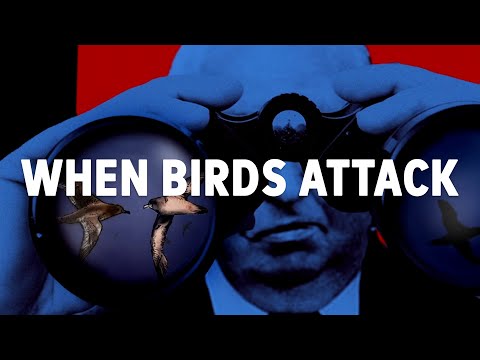
Making The Birds came with some wild challenges and clever solutions that shaped the film and its legacy. From picking the right spots to blending special effects with real animals, the movie still stands out in horror history.
Crafting a Classic Horror Film
Hitchcock, the so-called master of suspense, led the project. After the massive hit Psycho, he wanted The Birds to be just as gripping.
Evan Hunter wrote the screenplay, adapting du Maurier’s story with more suspense and mystery. Universal Pictures gave Hitchcock a lot of freedom, letting him stage shocking bird attacks and tense moments with characters like Melanie Daniels (played by Tippi Hedren) and Rod Taylor’s love interest.
Hitchcock didn’t want to rely on blood or gore. Instead, he used silence, odd bird behavior, and unsettling music to keep viewers on edge. That approach still influences thrillers today.
Filming in Bodega Bay and San Francisco
Filming took place in the chilly, foggy town of Bodega Bay, Northern California, where all those creepy attacks happen. The real seaside setting made everything feel more authentic.
Scenes in San Francisco gave a nice contrast between city life and wild nature. Choosing Bodega Bay was smart—it’s quiet, isolated, and just looks right for a story like this.
Dealing with local weather and unpredictable wildlife wasn’t easy, but it made the film more believable. Tippi Hedren’s character, Melanie, really pops against those natural backdrops, and the attacks feel up close and personal.
Special Effects, Real Birds, and Mechanical Birds
You might assume most of the birds were mechanical, but that’s not the case. Universal Pictures spent a chunk of money—over $200,000—building mechanical birds with motorized wings.
Those props looked pretty fake, though, and didn’t scare anyone. So Hitchcock switched gears and used live birds.
Animal trainer Ray Berwick caught more than 25,000 wild birds—gulls, crows, ravens—for the movie. That job was no joke.
The real birds sometimes attacked the cast and crew. Some scenes used birds calmed with whiskey, while others had handlers tossing birds at Tippi Hedren, who wore protective gear.
This wild mix of real and fake birds created some unforgettable attack scenes. The famous phone booth moment, for example, used real birds smashing into glass until it finally shattered.
Honestly, that blend of effects changed the game for horror movies at the time.
The Enduring Influence on the Horror Genre and Popular Culture
You’re watching a film that, even after all these years, still shapes horror movies and pop culture. The Birds doesn’t just rely on cheap scares—it builds fear with atmosphere and suspense.
Directors like John Carpenter and Guillermo del Toro have taken notes from Hitchcock’s approach. The film proves horror can go beyond classic monsters; sometimes, nature itself is the real threat.
Ordinary animals turning deadly? That idea really opened the floodgates for other movies that explore natural dangers.
Tippi Hedren faced tough conditions on set, often without stunt doubles, and honestly, her courage helped turn her into a horror legend. Critics and fans alike still admire how Hitchcock combined unsettling visuals with edge-of-your-seat storytelling.
The Birds sticks with you long after the credits. That’s a rare thing for any film.
If you want a deeper dive into the movie’s challenging production and lasting impact, check out the article on the making of The Birds.


