
Have you spotted chipmunks darting around your yard lately? You’re probably wondering what actually scares them off. If you want to keep these little guys from messing up your garden, it helps to know what makes them nervous.
Chipmunks mostly fear humans, loud or sudden noises, strong scents, and a handful of natural predators.

You can use this info to nudge them away gently—no harm needed. They really don’t like the smell of human hair, spicy things like cayenne pepper, or quick bursts of water.
Even sounds that remind them of predators or just unexpected loud noises will send them running.
When you know what chipmunks fear, you can make your plants less appealing and stop them from digging or snacking on seeds. Curious about how to use these fears to your advantage? Let’s get into it.
Primary Fears and Natural Predators
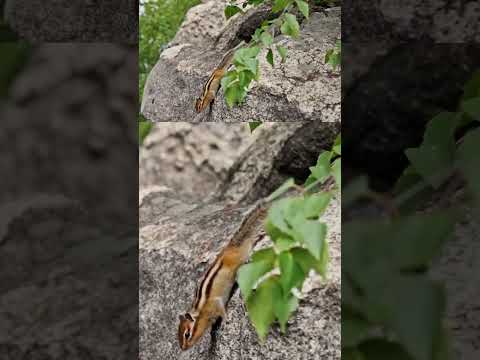
Chipmunks deal with all kinds of threats in the wild. Sharp-eyed birds, sneaky mammals, and even a few pets keep them on their toes.
If you watch them for a while, you’ll see why they’re so quick to dive for cover.
Predatory Birds and Their Impact
Birds of prey—think hawks and owls—really scare chipmunks. These birds have amazing eyesight and can spot chipmunks from pretty far away.
Hawks swoop down fast during the day, while owls hunt mostly at night.
Bats don’t bother chipmunks since bats stick to bugs, but daytime birds of prey are a real problem. Chipmunks stick close to bushes or burrows so they don’t get spotted.
If you ever see chipmunks freeze or bolt for cover when a shadow passes or a bird calls, that’s their survival instinct kicking in. It’s kind of impressive how fast they react.
Common Mammalian Threats in the Wild
In the wild, chipmunks share space with some pretty crafty hunters. Foxes, weasels, and bobcats all hunt chipmunks. These predators move quickly and know how to catch small animals.
Rats and squirrels compete for food but don’t usually attack chipmunks. Black bears are big enough to scare chipmunks, but they don’t actually hunt them.
Coyotes and raccoons also go after chipmunks when they get the chance. Most of these hunters come out at dawn or dusk, so chipmunks try to stay hidden or shift their activity to avoid them.
Chipmunks dig long, twisty burrows to stay safe underground.
Predators include:
- Foxes
- Weasels
- Bobcats
- Coyotes
- Raccoons
Pets and Domestic Animals as Dangers
Even in neighborhoods, chipmunks can’t let their guard down. Cats, especially, love to hunt chipmunks. Dogs chase them too, but they’re not as good at catching them.
If you want to help chipmunks out, you could keep your pets inside or watch them closely when chipmunks are around. Chipmunks don’t trust pets at all and will vanish the second they sense one nearby.
Rats sometimes become a problem in cities, and if food runs low, they might even attack chipmunks.
Understanding these risks shows why chipmunks pick yards with plenty of hiding places and why they steer clear of open lawns or busy areas.
If you’re interested, you can read more about chipmunk predators at CT.gov chipmunk facts.
Environmental and Human-Related Threats

Chipmunks have to deal with a lot, honestly. Some dangers come from the way we use our yards and gardens. Others are just part of life in the wild, like competing for food or catching diseases.
If you know what threatens chipmunks, you can do a better job keeping them safe.
Human Activity and Garden Hazards
Your backyard might look peaceful, but it can be full of hazards for chipmunks. Pesticides and rodenticides can poison chipmunks if they eat them by mistake.
Lawnmowers and other yard tools sometimes injure chipmunks hiding in tall grass.
Construction or cutting down trees destroys chipmunk burrows and pushes them closer to homes. Some people try to touch or feed chipmunks, but that stresses them out and sometimes leads to scratches or bites.
Let’s not forget—chipmunks are wild animals, not pets.
Competition for Food and Bird Feeders
Bird feeders attract more than just birds. Chipmunks, squirrels, and rats all show up for the free food.
Sometimes, chipmunks lose out and get pushed away.
Since chipmunks need to store food for winter, a lack of seeds or nuts can force them to take risks and raid bird feeders or gardens.
If you want to help, you could try feeders that keep out bigger animals like squirrels and rats. That way, everyone gets a fair shot at a snack.
Diseases and Zoonotic Risks
Chipmunks sometimes carry diseases that could affect you, like rabies, though honestly, that’s pretty rare. They also spread parasites—think fleas or ticks—that might carry Lyme disease.
If chipmunks hang out near ducks or other wildlife, those animals could pass germs around too. It’s just something to keep in mind if you notice a lot of critters in one spot.
Try not to touch chipmunks or their droppings. If you ever spot an animal acting weird—maybe it’s way too aggressive or just oddly slow—keep your distance and reach out to a wildlife professional.
Make sure your pets have up-to-date vaccinations. It’s a simple way to help protect your family and animals.
For more about chipmunks—their communication, habitats, and threats—check out Humane Wildlife Control Society and Arrow Exterminators.


