
Beagles have an incredible sense of smell, which is one of the best in the animal kingdom. They use their powerful sniffing abilities to detect a wide range of scents, including food, other animals, and even certain diseases.
With around 220 million scent receptors in their noses, beagles are particularly good at picking up on complex smells that humans might completely miss.
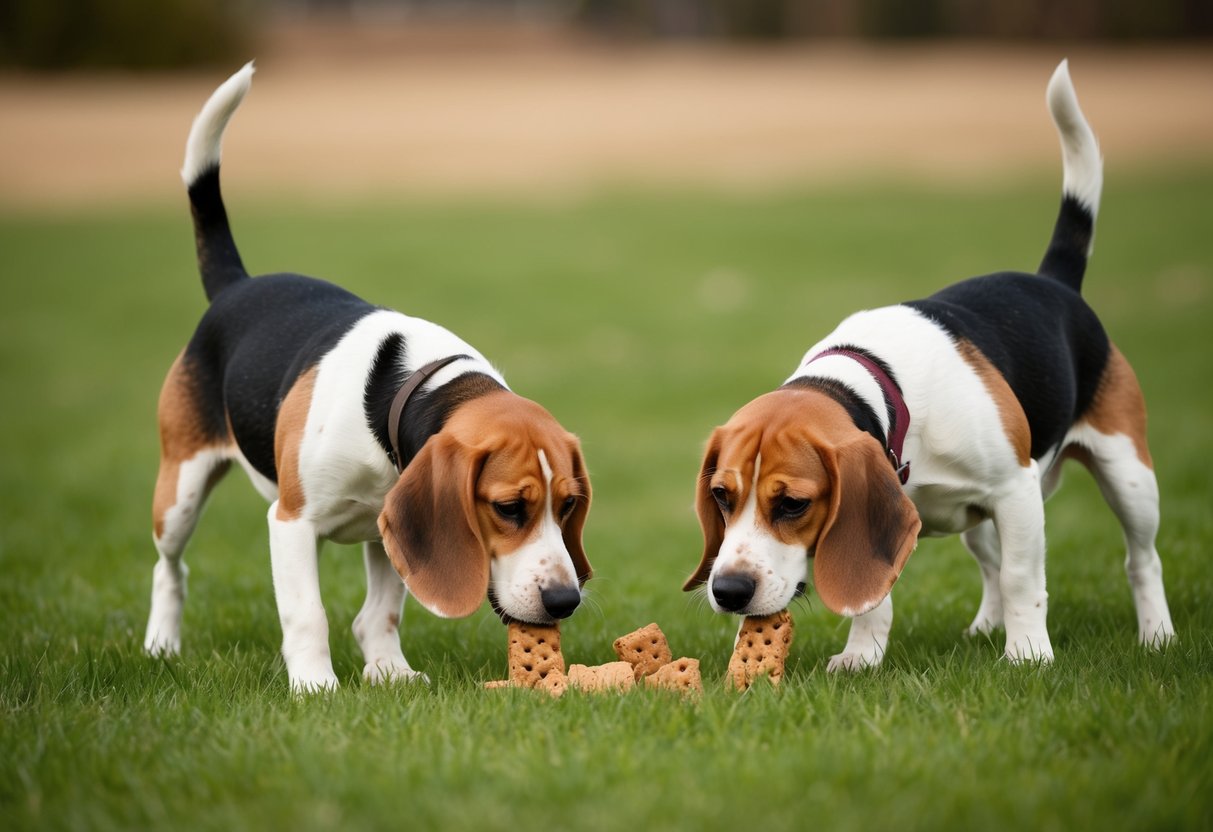
When you see your beagle sniffing around actively, they’re not just exploring. They’re gathering important information about their environment and any living creatures nearby. This instinct comes from their ancestry as hunting dogs, where tracking scents was essential for finding game.
Over time, they’ve adapted their sniffing skills to also detect more than just food; they can even be trained to locate specific substances in various roles, such as search-and-rescue or law enforcement.
Understanding what beagles are sniffing for can help you better connect with your furry friend. Their nose knows more about the world than you might realize, and appreciating this aspect of your beagle can lead to a stronger bond. By engaging your dog’s natural instincts in fun and constructive ways, you can ensure they are happy and fulfilled.
The Science of Beagles and Their Sense of Smell

Beagles have a remarkable ability to sniff out scents, which makes them unique among dog breeds. Their powerful noses help them detect various smells more effectively than many other breeds. Let’s explore the details of their olfactory capabilities and how they compare to other dogs.
Understanding Olfactory Capabilities
Beagles possess around 220 million scent receptors in their noses. This number is significantly higher than the 5 million found in humans. These receptors are specialized for detecting various odors.
Beagles have a large, moist nose, which helps to capture and dissolve scent molecules in the air. This moisture enhances their ability to pick up smells. When they sniff, they take in air rapidly, allowing their olfactory receptors to analyze it.
Their sense of smell is estimated to be 1,000 to 10,000 times more sensitive than ours. This makes them excellent at tracking scents, whether it’s for finding food or locating missing persons. Their skills are often utilized in search and rescue operations and tracking roles.
Comparison with Other Dog Breeds
When comparing Beagles to other dog breeds like bloodhounds, Labrador retrievers, and German shepherds, Beagles stand out for their unique sniffing ability.
While bloodhounds are often lauded for their tracking prowess, Beagles also have an incredible instinct for identifying scents. Bloodhounds have even more scent receptors, estimated at around 300 million, making them the champions in tracking scents over great distances.
Labrador retrievers are known for their versatile skills, but their scent receptors number around 225 million, which puts them close to Beagles.
German shepherds also have strong olfactory skills, but they are often trained for protection and service rather than scent tracking. So, while Beagles may not have the absolute highest number of receptors, their ability to analyze a wide range of scents makes them exceptional in various roles.
Training Beagles for Different Roles
Training beagles can be exciting and rewarding. Their strong sense of smell makes them perfect candidates for various roles, such as hunting companions, law enforcement assistants, and search and rescue operations. Each role requires specific training methods to maximize their skills.
Hunting Companions
Beagles are excellent hunting companions due to their keen sense of smell. When training your beagle for hunting, start with basic commands. Use positive reinforcement to encourage desired behaviors.
Create a routine where your beagle learns to track scents. Introduce them to different smells associated with game. Gradually increase the difficulty by using more complex scent trails.
Regular practice helps your beagle gain confidence and become a reliable hunting partner.
Keep training sessions fun and engaging. Use treats and praise to motivate them. A well-trained beagle can effectively assist you in locating game, making your hunting experience enjoyable.
Law Enforcement Assistants
Beagles play an essential role in law enforcement, especially in detecting drugs or explosives. To train your beagle for this critical job, begin by exposing them to various scents commonly found in law enforcement, like specific drugs.
Start with simple scent tracking in a controlled environment. Gradually introduce distractions to simulate real situations.
Consistency is vital, so practice regularly to reinforce their training.
Positive reinforcement is key in this process. Reward your beagle with treats or praise every time they successfully identify a scent. This approach builds their confidence and aids them in becoming effective law enforcement assistants.
Search and Rescue Operations
Beagles are valuable in search and rescue operations due to their ability to locate missing persons. To train your beagle for this role, start by teaching them basic commands and scent discrimination.
Begin with familiar scents, such as a family member’s clothing. Place it a short distance away and encourage your beagle to find it. As they master this skill, gradually introduce more challenging scenarios in varying environments.
Be sure to reward your beagle for successful finds. This helps reinforce their training.
Beagle Behaviors and Activities at Home
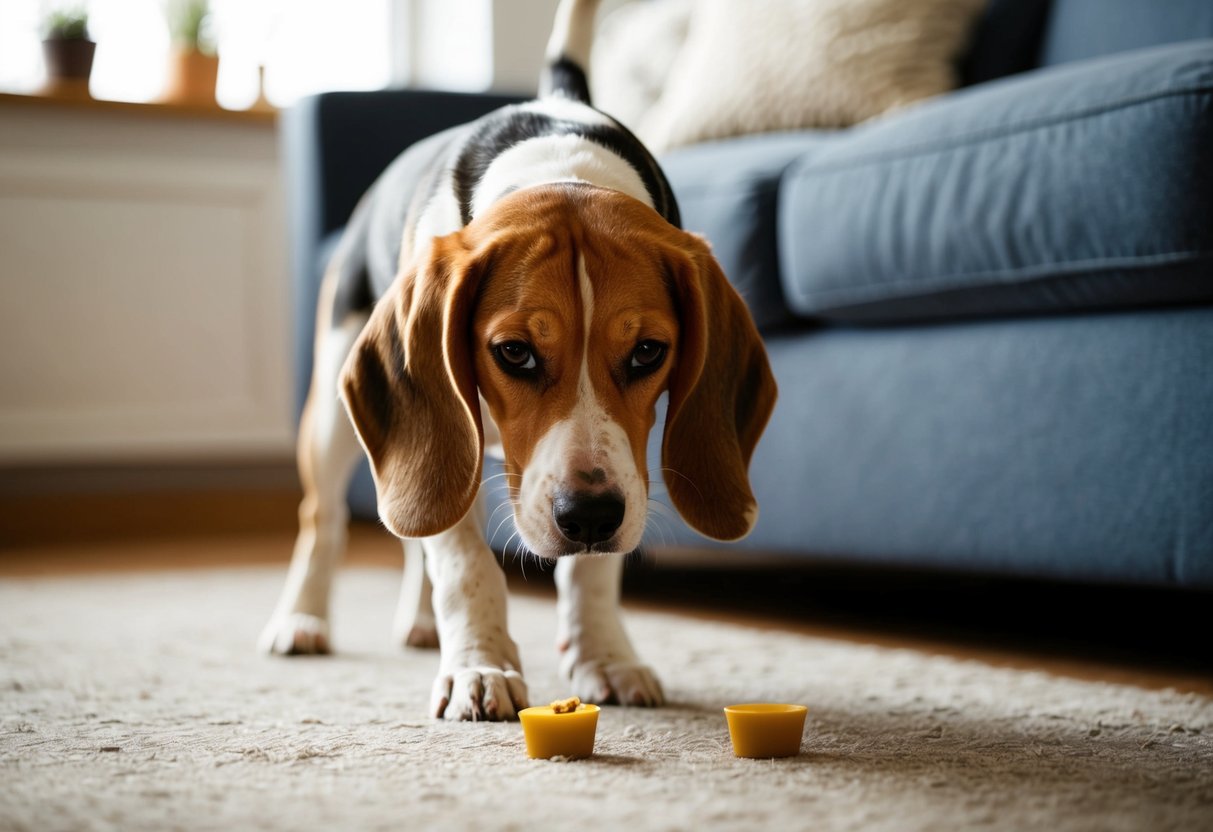
Beagles are energetic and curious dogs, making them great family pets. They thrive on both physical exercise and mental stimulation. Engaging your beagle in specific activities at home can keep them happy and well-adjusted.
Scent-Based Exercise and Games
As scent hounds, beagles have an exceptional sense of smell. You can use this to your advantage by incorporating scent games into their routine.
A few ideas include hiding treats around the house and encouraging your beagle to find them.
You can also create a scent trail using a favorite toy or some food. This activity not only provides physical exercise but also gives your beagle a chance to engage their nose.
Consider using toys designed for dogs that allow hidden treats to be discovered. This encourages problem-solving and keeps their minds sharp. Regular scent games can lead to happy, well-exercised beagles.
Family Life with a Beagle
Integrating a beagle into your family life can be a rewarding experience. Beagles are known for their friendly nature and make excellent family dogs. They enjoy being around people, especially children.
Encourage playtime that involves the whole family. Activities such as fetch or light tug-of-war can be enjoyable for both you and your beagle.
Daily walks are crucial for their physical health. Typically, they need 30-45 minutes of exercise.
Make sure to include your beagle in family outings whenever possible. They often love participating in activities and exploring new environments, further stimulating their senses.
Building strong relationships with your beagle helps create a loving, playful household.


