
Beagles are known for their energetic and playful nature, but managing their behavior can sometimes feel like a challenge. With the right approach, you can effectively control a beagle while also strengthening your bond with your furry friend.
Using positive reinforcement during training is one of the best ways to teach your beagle good behavior and obedience.
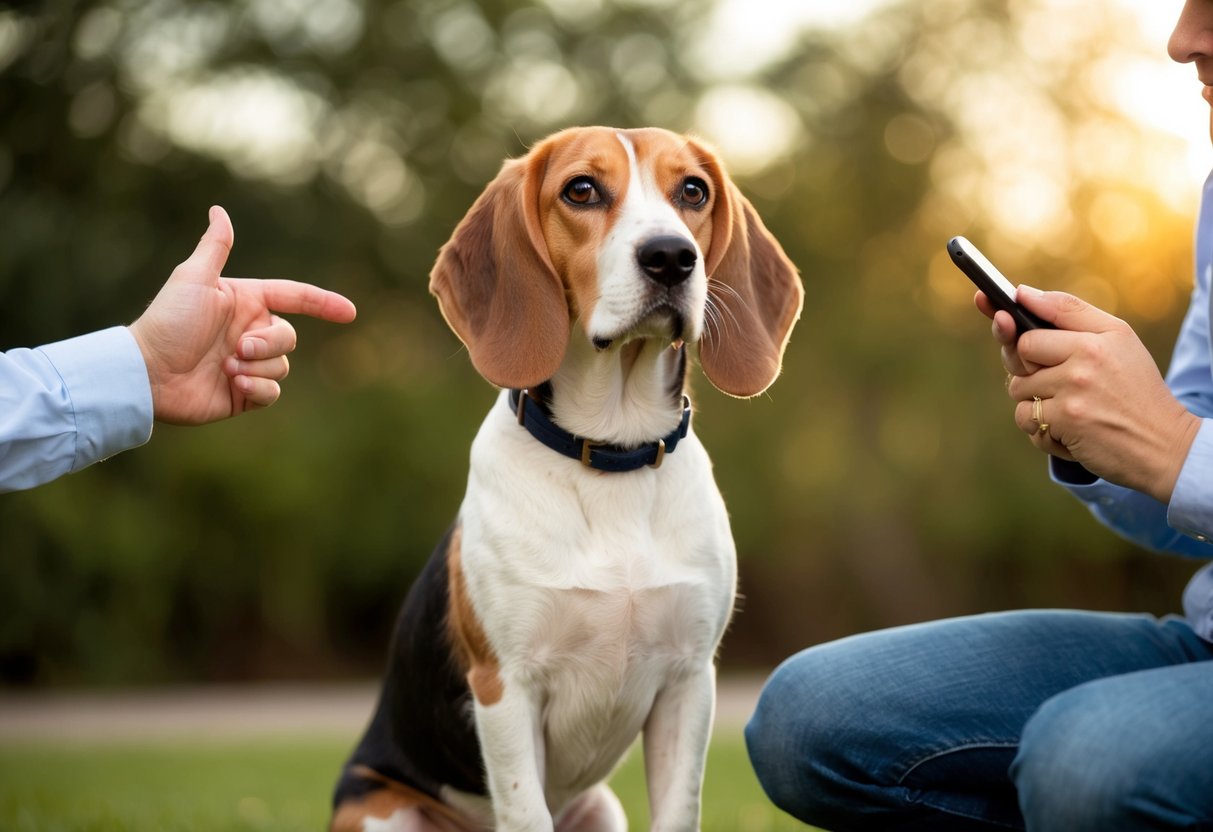
Patience and consistency are key when it comes to training beagles. They are intelligent dogs but can easily get distracted.
Engaging them with their favorite toys or treats can make a significant difference. Remember, your beagle thrives on attention, so incorporating fun into the training process will help keep them focused and eager to learn.
Training is not just about discipline; it’s about creating a happy environment for you and your beagle. Regular training sessions can transform your beagle’s behavior and make daily life more enjoyable. By using positive reinforcement and being attentive to their needs, you’ll find that controlling a beagle can lead to a rewarding experience for both of you.
Understanding Your Beagle
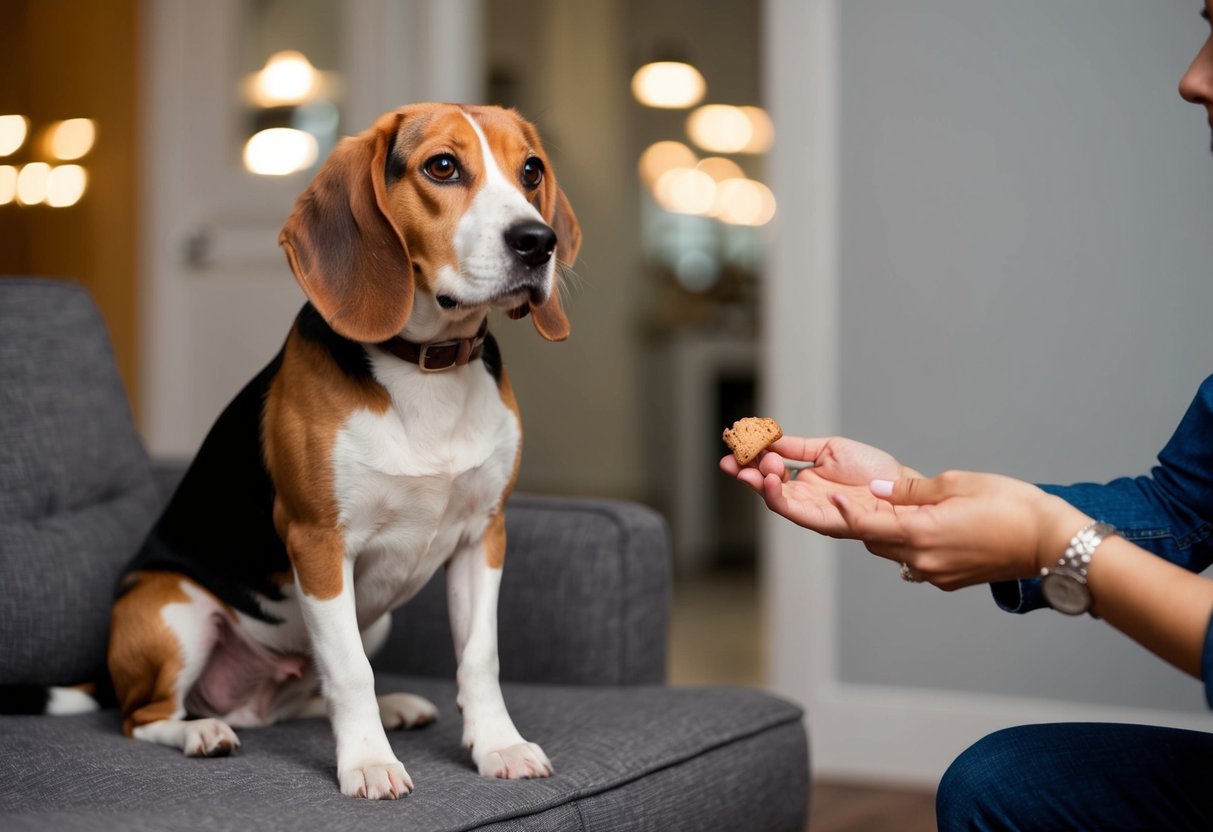
Getting to know your beagle means understanding their unique behaviors and building a strong bond with them. Beagles are known for their curious nature and strong instincts, which can influence their actions. They thrive on human interaction, making it essential to foster a loving relationship.
Beagle Behavior and Traits
Beagles have distinct traits shaped by their hunting background. They are energetic, friendly, and highly curious. Their strong sense of smell drives them to explore scents, making obedience training a must.
Common behavioral issues arise due to their instincts. For example, they may bark excessively or dig if bored. To manage these habits, you can:
- Engage in regular exercise: Play fetch or take long walks.
- Provide mental stimulation: Use puzzle toys to keep their minds sharp.
Understanding your beagle’s behavior helps you create effective training strategies.
Creating a Bond with Your Pet
Building a strong bond with your beagle involves patience and interaction. Start by establishing a routine for feeding and exercise. Consistency helps them feel secure.
Socialization is key. Introduce your beagle to new environments and people. This exposure reduces anxiety and behavioral problems. Use positive reinforcement techniques by rewarding good behavior with treats and praise.
Spending quality time together strengthens your relationship. Activities like cuddling or training sessions can deepen your connection. The more you engage with your beagle, the more responsive they will be to your commands and guidance.
Training Fundamentals
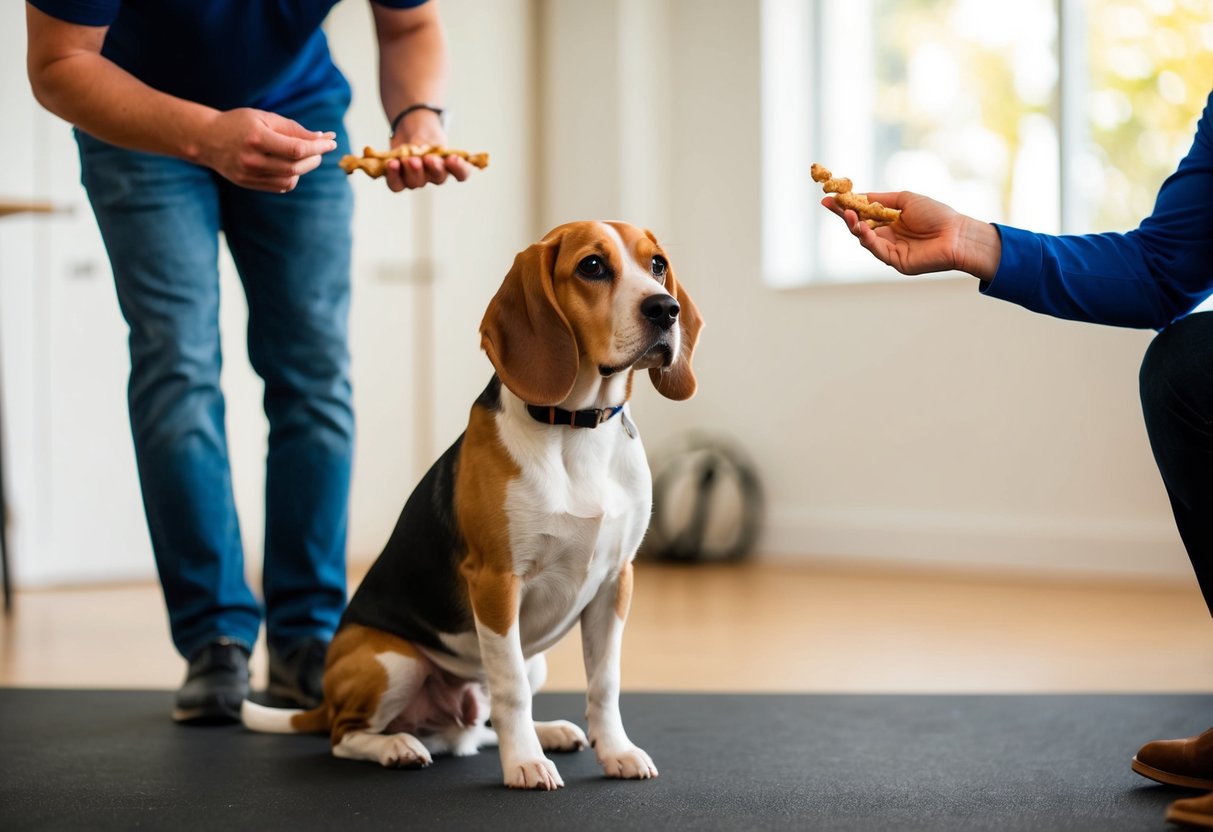
Training your Beagle involves key strategies that can help you shape their behavior positively. Focusing on the right techniques and establishing a routine will make your training more effective. Socialization plays a vital role in helping your Beagle behave well in different situations.
Positive Reinforcement Techniques
Using positive reinforcement is one of the best ways to train your Beagle. This method involves rewarding them for good behavior with treats, praise, or playtime. Beagles respond well to rewards because it encourages them to repeat the desired behavior.
Always be consistent with your rewards. For example, if your Beagle sits when you ask, give them a treat right away. This helps them understand what they did right.
Remember to use a cheerful tone when praising. Words of encouragement can boost your Beagle’s confidence and strengthen your bond. Keep training sessions short and fun to hold their attention.
Setting a Routine and Consistency
Establishing a schedule is key to successful training. Beagles are creatures of habit and thrive when they know what to expect. Set up regular times for activities like feeding, walks, and training sessions.
Stick to this routine as much as possible. Consistency will help your Beagle learn faster. For example, if you are housebreaking, take them outside at the same times each day. This teaches them when and where they should relieve themselves.
Rewarding them consistently for good behavior during these times helps reinforce good habits.
Socialization and Exposure
Socializing your Beagle is essential for their development. Introduce them to various people, pets, and environments from an early age. This exposure helps them learn to feel comfortable in different situations.
Start with safe and controlled environments, gradually increasing the exposure as they grow more confident. Positive experiences during socialization can reduce anxiety and unwanted behaviors in the future.
Also, engage in obedience training during these interactions. Teaching commands like “sit” or “stay” not only refines their behavior but also helps keep them safe. Socializing regularly builds their confidence and makes them well-behaved companions.
Behavioral Correction

Correcting behaviors in your beagle involves understanding common issues and applying effective strategies. By focusing on specific problems, you can create a happier and well-adjusted pet.
Addressing Common Beagle Problems
Beagles often face a range of behavioral issues. Some common ones include excessive barking, jumping, and digging.
Excessive barking can be managed by ignoring the behavior until your beagle stops. Once quiet, reward them with a treat, promoting good habits.
Jumping usually shows excitement. To control this, turn away when they jump and only give attention when all four paws are on the ground.
For digging, provide designated digging spots or engage in regular exercise to use up their energy.
Lastly, separation anxiety may cause destructive behavior. Gradual desensitization to being alone can help alleviate this issue.
Effective Discipline and Redirection
Using positive methods is essential in discipline. Instead of punishment, redirect unwanted behavior into acceptable actions.
For biting or chewing, offering toys can keep their mouth busy and divert attention.
If you notice begging, set boundaries by only feeding them during scheduled meal times.
For dogs showing aggressive behavior or resource guarding, it is vital to address dominance issues by establishing your leadership.
Using a consistent command like “leave it” can help in managing disruptive behaviors while ignoring commands can reinforce that such actions are unwelcome.
Finally, engage in leash training to reduce pulling, ensuring walks are enjoyable for both you and your beagle.
Enrichment Activities and Advanced Training
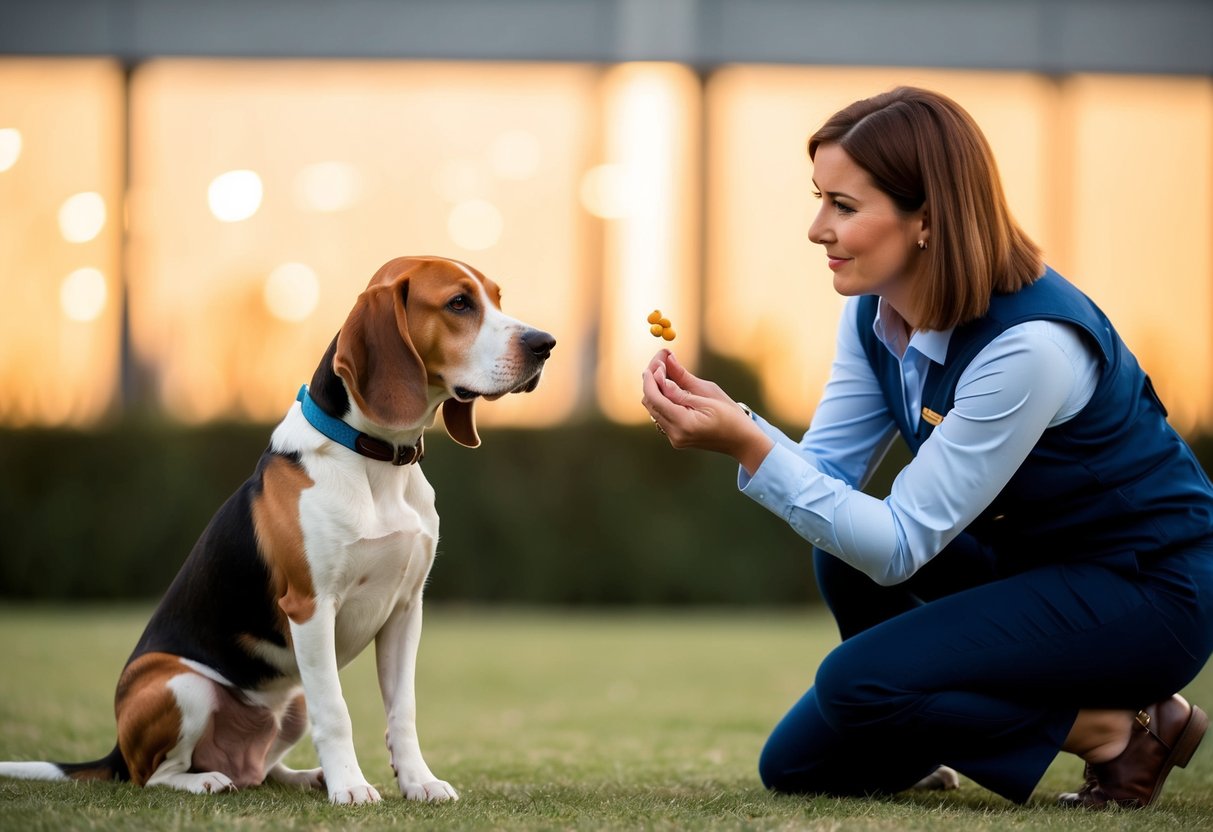
Keeping your Beagle happy and well-behaved requires a mix of physical exercise and mental challenges. Engaging in enrichment activities will not only entertain your dog but also help prevent boredom. Advanced training offers your Beagle new skills and strengthens the bond between you.
Mental and Physical Exercise
Beagles are active dogs with a strong hunting instinct. To keep them happy, you need to provide both mental and physical stimulation. Daily walks are essential, but consider adding more variety.
-
Scent Games: Hide treats around your home or yard. Encourage your Beagle to use their nose to find them. This taps into their natural instincts and keeps them engaged.
-
Puzzle Toys: Invest in interactive toys that dispense treats. These will challenge your Beagle’s problem-solving abilities.
Incorporating activities like fetch or tug-of-war can provide a great outlet for their energy. Always make sure to vary the exercises to keep things exciting!
Training for Specific Challenges
Managing your Beagle’s behavior requires training. Obedience classes can provide structured environments for you and your dog to learn together. Here are some essential training techniques:
-
Leash Training: Teach your Beagle to walk calmly on a leash. Use treats to reward good behavior and prevent pulling.
-
Crate Training: Help your dog see their crate as a safe space. Gradually introduce them to it and use treats and praise to create positive associations.
-
Potty Training: Consistency is crucial. Take your Beagle outside regularly and reward them for going in the right place.
Your Beagle is food motivated, so use that to your advantage with treats during training!


