
If you’re a beagle owner or thinking about bringing one into your home, you might wonder about their behavior, especially when it comes to biting. Beagles are generally friendly and less prone to aggressive behaviors compared to many other dog breeds. This doesn’t mean that biting is impossible, but understanding the factors that can lead to such behavior is key to preventing it.

Biting can happen with any dog, but it is often linked to training, socialization, and individual experiences. Knowing that beagles typically have a gentle nature can help you approach any biting concerns with more confidence. You’ll find that being proactive in training your beagle can lead to a happier and more secure pet.
As you read on, you’ll discover insights into beagle behavior, tips for preventing biting, and effective training methods to create a positive environment for your furry friend. This knowledge can help you enjoy all the joys of beagle companionship with less worry about unwanted behaviors.
Understanding Beagle Behavior

Beagles are unique dogs with traits shaped by their history and instincts. Knowing their behavior is important for dog owners, especially if you are concerned about biting. Here are two key areas to help you understand your beagle better.
Breed Characteristics and History
Beagles have a strong desire to sniff and explore. Their keen sense of smell makes them excellent trackers. This trait comes from their history as hunting dogs, where they were used to track small game. Because of this, beagles can sometimes get overly excited or distracted.
Their hunting instincts can lead to behaviors like digging and chewing. Understanding this can help you manage these actions. Regular exercise and mental stimulation can channel their energy positively, reducing unwanted biting.
It’s also essential to teach your beagle boundaries. By setting clear rules and providing consistent training, you can help them behave appropriately and reduce their tendency to bite during play or excitement.
Communication Through Body Language
Beagles communicate a lot through their body language. Recognizing this can help you understand how they feel. Here are some signals to watch for:
- Tail Position: A wagging tail usually means happiness, while a low or tucked tail may indicate fear or submission.
- Ears: Floppy ears can perk up when they are curious or excited, signaling their interest in their surroundings.
Learn to read these signals to better understand your beagle’s emotions. When they show signs of stress, it’s important to act calmly and help them feel safe.
Being aware of their body language can prevent situations that may lead to biting. Training that focuses on positive reinforcement will also strengthen your bond with your beagle, helping them feel secure and reducing anxiety.
Factors Contributing to Biting

Understanding the reasons behind biting in Beagles can help you address this behavior effectively. Several factors can lead to biting, from the puppy stage to social influences and signs of aggression.
Puppy Biting and Bite Inhibition
Puppy biting is a natural behavior in young Beagles. When they play with their littermates, they learn to control their bites. This process is known as bite inhibition.
If you have a Beagle puppy, it’s important to teach them that biting humans is not acceptable. Redirect their nipping to suitable toys, and use positive reinforcement when they play gently. Consistency in your training will help your puppy understand the boundaries.
By helping your puppy through this phase, you can prevent biting from becoming a habit as they grow older.
Lack of Socialization and Its Effects
Early socialization is key for Beagles. If your puppy doesn’t meet other dogs or people from a young age, they can develop fear or anxiety. This can lead to biting when they feel threatened or overwhelmed.
Introduce your Beagle to various environments, people, and animals. Positive experiences during these interactions can shape their behavior positively. Lack of socialization can result in a fearful adult dog who may act out by biting.
Make sure to expose your Beagle to new situations gradually to boost their confidence and reduce the risk of biting.
Signs of Aggression in Beagles
Recognizing signs of aggression can help you act before biting occurs. Beagles show aggression through body language. Look for signs like stiff posture, growling, or showing teeth.
If your Beagle is resource guarding, they might snap when you approach their food or toys. Understanding these signals is important. It allows you to manage their behavior and address the issue early on.
Training, socialization, and creating a safe environment can minimize aggressive reactions. Being aware of your Beagle’s needs is crucial in preventing biting incidents.
Training and Preventing Unwanted Behavior
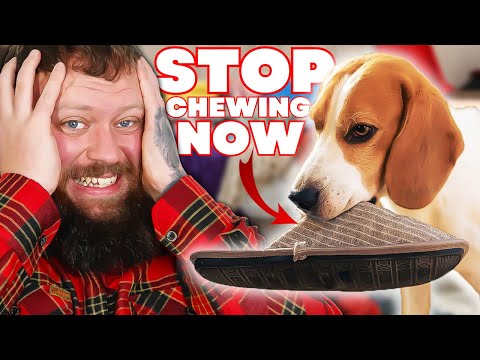
Managing a Beagle’s biting behavior involves effective training techniques and certain preventive measures. Implementing positive reinforcement, crate training, and providing mental stimulation can make a significant difference in reducing unwanted biting.
Positive Reinforcement Techniques
Using positive reinforcement is a powerful way to change your Beagle’s behavior. When your dog follows a command or displays good behavior, reward them with treats, praise, or a favorite toy. This method builds a strong bond between you and your dog.
For example, when your Beagle plays gently or stops biting, immediately give them a treat. This encourages them to repeat the desired behavior. Aim to be consistent with your rewards. Over time, your Beagle will learn that calm behavior leads to positive outcomes.
Avoid harsh punishment, as it can create fear and anxiety. Focus on encouraging good behavior instead.
Crate Training as a Preventive Measure
Crate training is a helpful tool in preventing unwanted behavior, including biting. A crate provides your Beagle with a safe space where they feel secure. You can use this method to limit their access to certain areas when you cannot supervise them.
Start by introducing the crate as a positive space. Place treats, toys, or comfortable bedding inside. Encourage your dog to enter the crate willingly. Gradually increase the time spent inside the crate while you are nearby.
When done correctly, your Beagle will associate the crate with safety and comfort. This can help reduce biting incidents when you are busy or unable to watch them closely.
The Importance of Mental Stimulation
Mental stimulation is key to keeping your Beagle happy and reducing destructive behaviors, such as biting. Beagles are intelligent dogs that require activities to keep their minds engaged. Simple games, puzzle toys, and training sessions can provide this stimulation.
Try incorporating short, interactive games that challenge your dog. You can teach them new commands or tricks that encourage focus and mental effort. Activities like scent games, where you hide treats around the house, can also keep them entertained.
Regular exercise combined with mental challenges will keep your Beagle content. A tired dog is less likely to engage in unwanted behaviors, including biting.
Addressing and Correcting Beagle Behavioral Issues

Beagles can develop various behavioral issues that may lead to biting or other unwanted actions. It’s important to address problems like separation anxiety, resource guarding, and excessive barking to keep your beagle happy and safe.
Dealing with Separation Anxiety
Separation anxiety is common in beagles and can lead to destructive behavior or biting. To help your dog feel more secure, start by gradually increasing the time you spend apart. Leave your beagle alone for short periods and slowly extend that time.
Consider providing engaging toys or treat puzzles to keep your dog busy while you’re gone. Using calming aids, like anxiety wraps or pheromone diffusers, can also make a difference. Always reward calm behavior when you return, reinforcing that being alone is okay.
Managing Resource Guarding
Resource guarding happens when a beagle feels the need to protect food, toys, or other items. This behavior can lead to biting if not addressed. To manage this, you should teach your beagle the “leave it” command.
Start by showing your dog a treat and then placing it on the ground. When your beagle attempts to guard it, calmly remove the item and repeat the process. Gradually introduce items that your beagle closely guards while practicing this command. Always reward your dog for allowing you to approach their resources without aggression.
Reducing Excessive Barking and Howling
Excessive barking and howling can be annoying, but these behaviors are often signs of boredom or anxiety.
To reduce barking, ensure that your beagle receives enough mental and physical stimulation. Regular walks and play sessions can help keep them engaged.
You can also train your beagle to be quiet on command. When your dog barks, avoid giving immediate attention. Wait until they stop for at least two minutes, then reward them with praise or treats.
This teaches your dog that quiet behavior earns them positive reinforcement, helping reduce unwanted noise.


