
Beagles are known for their playful nature and friendly disposition, making them one of the most loved dog breeds. Like any breed, they can face health issues, and one area of concern is their back and hip health. Many beagles experience back problems, particularly as they age, making it important to be aware of the signs and preventative measures.

As a beagle owner, you should be alert to symptoms like limping or unusual movement patterns that might signal back or hip issues. Understanding these health challenges can help you provide the best care for your furry friend.
With the right information, you can enjoy many happy years with your beagle while keeping them healthy and active.
Understanding Beagle Spine Health

Beagles are active dogs, which makes their spine health important. Knowing about common spinal issues and conditions like Intervertebral Disc Disease (IVDD) can help you care for your Beagle better.
Common Spinal Problems in Beagles
Beagles can experience various spinal problems that affect their mobility and comfort. One major issue is hip dysplasia, a hereditary condition where the hip joint doesn’t fit properly. This can lead to pain and difficulty walking.
Another problem is arthritis, which is common in older Beagles. It causes joint inflammation and discomfort, especially after exercise.
You might also notice your Beagle limping due to injuries like muscle strains or even broken claws. Carefully observe your pet for signs like difficulty jumping or reluctance to play.
Intervertebral Disc Disease (IVDD) Explained
Intervertebral Disc Disease, or IVDD, is a serious condition affecting the spine. Beagles are prone to this disease as they age. It happens when the discs between the vertebrae wear down.
The discs act like cushions, so when they degenerate, they can press on the spinal cord, causing pain and mobility issues. Signs of IVDD include difficulty jumping, a wobbly gait, or sudden yelping when moving.
If you notice these symptoms, consult your vet immediately. Early diagnosis and treatment can prevent more severe problems and help your Beagle lead a happier, more active life.
Prevention and Early Intervention

Taking steps to prevent back problems in your Beagle is crucial. Maintaining a healthy weight and getting regular check-ups can make a big difference. You can help your furry friend avoid issues like sprains and strains through early detection and care.
Importance of Weight Management
First and foremost, keeping your Beagle at a healthy weight is vital. Obesity is a leading cause of back problems. Extra weight puts stress on the spine and joints, leading to potential injuries.
To manage your Beagle’s weight, follow these tips:
- Feed a Balanced Diet: Choose high-quality dog food tailored to your Beagle’s age and activity level.
- Control Portions: Measure food servings to avoid overfeeding.
- Encourage Activity: Engage in daily walks or playtime to burn off calories.
Regular weight checks can help keep your Beagle on track.
Routine Health Checks and Early Diagnosis
Routine health check-ups with your veterinarian are key to early diagnosis. These visits allow for early detection of any potential issues.
During check-ups, your vet will assess your Beagle’s spine and joints. They may also perform tests to identify any pain or discomfort. Catching problems early can prevent more serious injuries down the line.
Some signs to watch for at home include:
- Difficulty jumping or climbing stairs
- Reluctance to play or exercise
- Changes in behavior, such as increased aggression or whining
If you notice any of these signs, consult your vet promptly. Early intervention can help ensure your Beagle leads a happy, active life.
Treatment Options for Beagle Back Issues

When your beagle faces back problems, it’s essential to explore the right treatment options. There are both surgical and non-surgical methods available, as well as therapies that promote healing and comfort.
Surgical and Non-Surgical Interventions
For more severe back issues, surgical options may be necessary. Procedures like a discectomy can remove damaged discs, while spinal fusion helps stabilize the spine. Your vet will discuss the right choice based on your beagle’s specific condition.
Non-surgical methods often include anti-inflammatory medications to reduce swelling and pain. Muscle relaxants can also help alleviate muscle tension. Strict rest is usually recommended to prevent further injury. Some vets suggest using a harness to help support your dog during walks. A crate can keep your beagle from jumping or running, allowing for proper healing.
Physical Rehabilitation and Therapy
Physical rehabilitation is beneficial for your beagle’s recovery. This can include tailored exercise programs that help strengthen muscles without straining the back. Techniques like hydrotherapy allow your dog to work out in water, which is gentler on joints.
Many pet owners find that massage therapy can improve circulation and relax tense muscles. Acupuncture may also help manage pain and promote healing. Regular sessions with a certified physical therapist can provide ongoing support as your beagle works on recovery. Always follow your vet’s recommendations for the best results.
Living with a Beagle with Back Problems
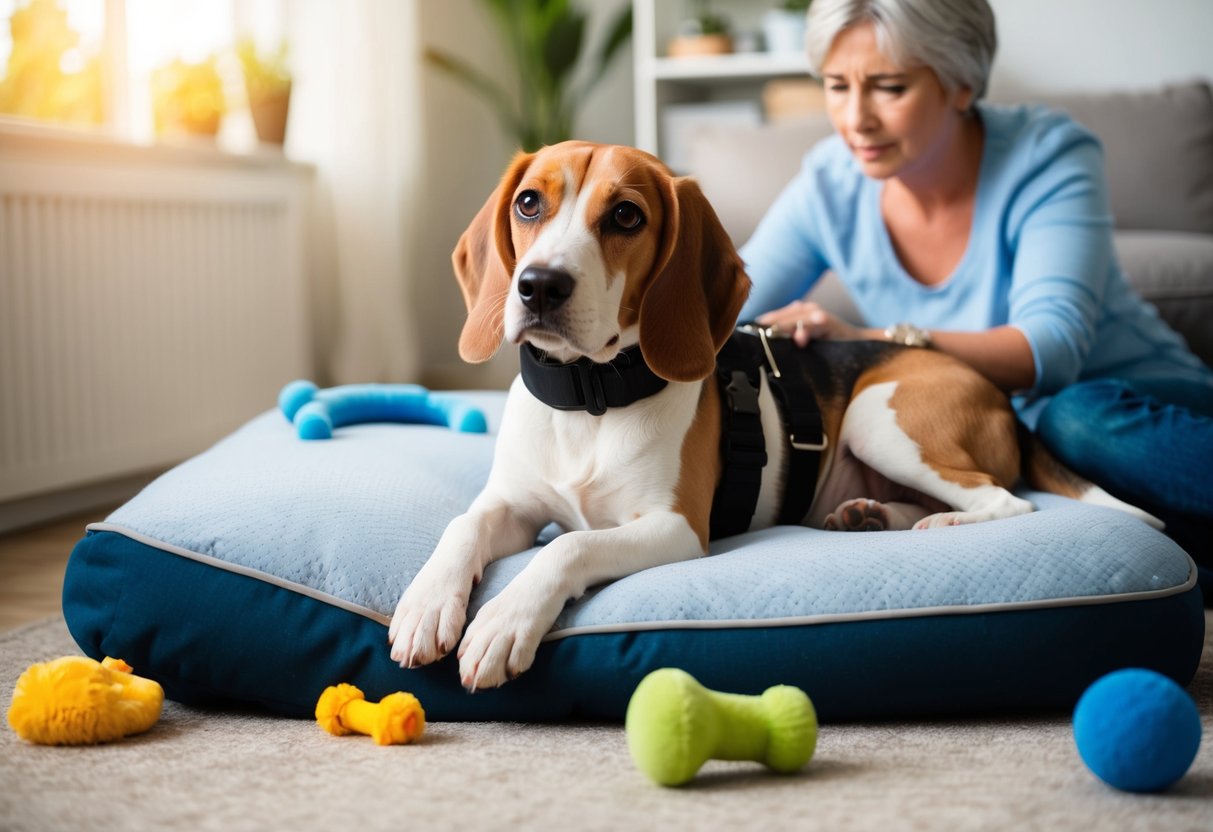
Caring for a beagle with back issues involves making important adjustments in your home and offering emotional support. By addressing both physical needs and behavioral changes, you can help your furry friend feel more comfortable.
Home Care and Lifestyle Adjustments
Start by creating a safe space for your beagle. Set up a cozy area with a comfortable bed, ensuring it is away from stairs or slippery floors. This minimizes injury risk.
Crate rest is critical. If your vet recommends it, use a crate for short periods when you cannot supervise. This helps prevent excessive movement. Ensure it’s large enough for your beagle to stand and turn around comfortably.
Regular, gentle walking is essential. Short trips outside are fine, but avoid vigorous play. Focus on encouraging slow strolls to “do their business.” Use a harness for extra support, especially if your beagle struggles to get up.
Emotional and Behavioral Support
Back problems can make your beagle anxious or irritable. Provide lots of love and attention to help them adjust.
Spend time together in a quiet area, reassuring them with a calm voice.
You might notice behavioral changes, like whining or reluctance to move. Be patient.
Offer treats for following commands gently. Avoid punishment during this time, as stress can worsen their condition.
Consider calming aids like soft music or anxiety wraps. These can help soothe your beagle during recovery.
Keeping routines consistent also offers comfort and stability in their daily life.


