
So, you just got stung by a bee, and now you’re probably wondering if dabbing some alcohol on the sting will actually help with the pain or itching. Here’s the deal: alcohol can clean the area, but it’s not really the best way to treat the sting itself. It won’t do much for swelling or pain, but it might help cut down the risk of infection.

A lot of folks grab alcohol first because it seems like a quick fix. Honestly, there are better home remedies out there that actually tackle the sting’s effects. You’ll want to know what really helps with pain and itching so you can get back to normal faster—and not accidentally make things worse.
Should You Put Alcohol On a Bee Sting?

When a bee stings you, you probably want relief right away and to keep the area clean. Alcohol might seem like a good option since it kills germs.
But before you reach for that bottle, there are a few things to consider.
Purpose of Using Alcohol on Bee Stings
People mainly use alcohol because it kills bacteria and cleans wounds. If you put alcohol on a bee sting, you’ll lower the risk of infection by cleaning the skin around the sting.
Still, alcohol doesn’t neutralize the venom or take away the pain and swelling. It acts more like a disinfectant than something that actually soothes the sting.
Risks and Side Effects of Alcohol Application
Alcohol can sometimes make things worse by irritating your skin even more. It dries out the area, which could make the sting feel itchier or just plain uncomfortable.
If your skin feels sensitive or you’ve scratched it open, alcohol will probably sting or burn. It’s best to skip alcohol on large, swollen areas or if you’re prone to allergies.
If you suddenly see redness spreading fast or you’re having trouble breathing, don’t wait—get medical help right away.
Alternative Disinfection Methods
Instead of alcohol, just wash the sting with mild soap and water. It’s gentle and still gets rid of dirt and bacteria.
Other things that help:
- Make a baking soda and water paste
- Use over-the-counter creams for itching
- Try a cold compress to bring down swelling
These methods focus on soothing the sting without the harsh drying effect. If you want more details about alcohol and other treatments, check this guide on should you put alcohol on a bee sting.
Safe and Effective Bee Sting Treatments
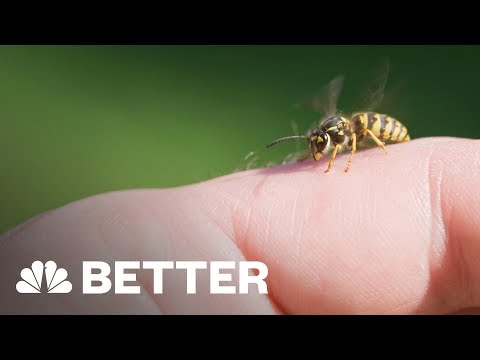
Knowing what to do right after a bee sting can make a big difference. You want to get rid of the stinger fast, manage pain and itching, and keep an eye out for allergic reactions.
First Aid Steps After a Bee Sting
If a bee stings you, the first thing you should do is get the stinger out fast. Use a credit card, your fingernail, or something with a blunt edge to scrape it away.
Try not to pinch or use tweezers, since that can squeeze more venom into your skin.
After you remove the stinger, wash the spot with soap and water. Then, slap on a cold pack to help with swelling and pain.
Alcohol can clean the skin, but it won’t help with venom or pain, so it’s not really necessary.
Relieving Pain and Itching
To handle pain and itching, take an over-the-counter pain reliever like ibuprofen or acetaminophen.
For itching, put on an over-the-counter hydrocortisone cream or some calamine lotion. These calm the skin and bring down inflammation.
If the itching or swelling is really getting to you, an oral antihistamine like Benadryl can help.
Keep the area elevated if you can, and try not to scratch. Scratching just invites more irritation or even an infection.
Recognizing Allergic Reactions
Most bee stings are just annoying, but some people have allergic reactions.
Watch out for things like:
- Hives or a rash
- Swelling that spreads past the sting spot (like your face or throat)
- Trouble breathing or swallowing
- Feeling dizzy or lightheaded
If you notice any of these, you could be dealing with a serious allergic reaction called anaphylaxis.
When to Seek Emergency Help
Notice any signs of a severe allergic reaction or anaphylactic shock? Call emergency services right away.
If you know you’re allergic to bee stings, keep an EpiPen close and use it immediately if you get stung.
Even if you’ve never had an allergy before, get emergency help fast if your throat starts swelling, you can’t breathe well, or you suddenly feel weak and dizzy.
Acting quickly could honestly make all the difference.


