
Ever wondered if bees can actually show affection to humans like pets do? Bees definitely don’t feel or express emotions the way we do, but they can recognize and remember human faces. That’s pretty wild—and it actually helps them build a kind of trust with people they see often.
This surprising skill means bees can form a connection with humans, although it’s nothing like what you’d get from a dog or a cat.
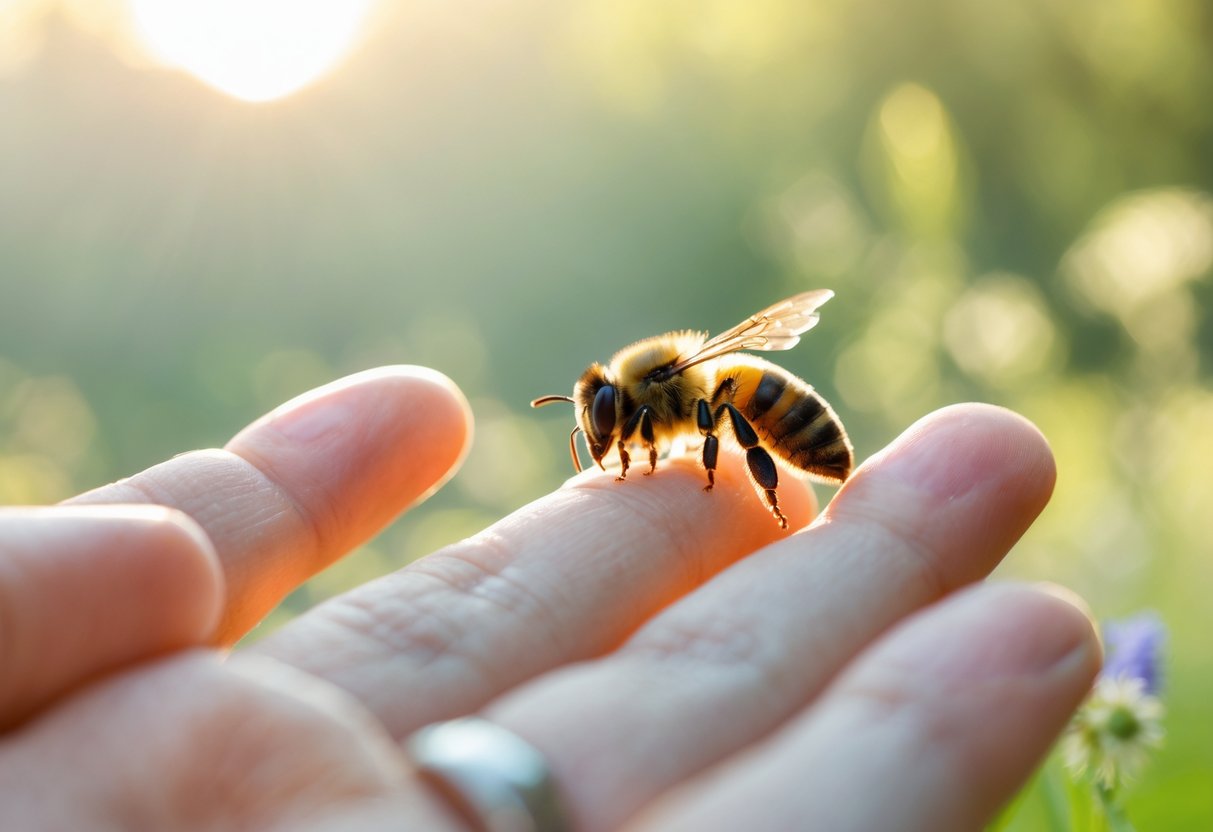
When bees remember you, it’s usually because your face or your behavior stands out to them, kind of like how they pick out certain flowers. Their main focus is pollination, but they do respond differently to people they’ve learned to trust—especially beekeepers.
Knowing this might make you feel a bit more at ease around these little insects. It’s honestly impressive how sharp their abilities are.
Curious about how bees interact with humans and what their memory means for your connection with them? Stick around. You might be surprised by just how much these tiny creatures notice about us.
Exploring Bee Affection Toward Humans

Bees don’t show affection the way pets do, but they definitely recognize and react to humans. If you spend time with bees—especially honey bees—you might notice they act differently around familiar people.
Their behavior really depends on how well they know you and how you treat them.
How Bees Recognize Individual Humans
Honey bees actually learn to recognize human faces by piecing together features. They don’t just see a blob; they remember specific patterns.
Researchers found that bees can remember faces for at least a couple of days. That’s kind of impressive for such a tiny brain.
This ability lets bees tell the difference between people they know and total strangers. If you’re a beekeeper, your hive probably reacts better to you than to someone new.
Bees don’t see you as a friend, exactly. You’re more like a familiar part of their world—sort of like a favorite flower.
The Science of Bee Behavior and Attachment
Bees focus on survival tasks, like collecting nectar and guarding the hive. Emotional attachments in bees aren’t like what mammals have.
They don’t bond with humans like dogs do, but they do learn to recognize us as part of their environment.
Your scent, the way you move, and how calm you are all affect how a bee reacts. Sudden moves or strong smells can make them defensive.
If you keep things steady and gentle, bees usually chill out and tolerate you more.
Trust and Familiarity Between Bees and Beekeepers
If you handle bees often, they get used to you. This familiarity builds a kind of trust, where bees see you as harmless.
Beekeepers who work calmly usually get better cooperation from their hives during checks or honey harvests.
You can strengthen this bond by wearing light-colored clothes and skipping the perfume. Bees trust you more when your behavior stays consistent.
For more about how bees recognize their keepers, check out do bees recognize their beekeeper.
How Human Actions Influence Bee Relationships

Your actions shape how bees respond to you and their world. Even small changes in how you care for bees or the space around them can make a difference.
Gentle Beekeeping Practices for Building Trust
If you care for bees gently and patiently, you help build trust. Moving calmly and speaking softly near hives really does reduce their stress.
Wearing lighter clothes and avoiding sudden gestures keeps bees from feeling threatened.
Beekeepers usually stick to protective but minimal gear so they don’t scare the bees, but still keep themselves safe. Checking hives regularly—but not too often—helps keep colonies healthy.
Using integrated pest management controls pests without harsh chemicals. Cutting back on pesticides and keeping things clean supports bee health and helps them live longer.
This gentle approach makes bees more comfortable around you, and you might notice stronger connections as a result.
Bee Communication: Waggle Dance and Social Cues
Bees use the waggle dance to tell each other where to find food. Once you know about it, you realize just how sensitive their communication is.
If you’re moving around near the hive, you might actually interrupt these dances. Staying calm and still gives bees space to do their thing.
Bees also communicate with body movements and pheromones. If you respect their signals and avoid acting aggressive, you’ll keep things peaceful.
That way, both you and the bees can stay connected without unnecessary stress.
The Role of Bee-Friendly Gardens and Conservation
When you plant a bee-friendly garden, you give pollinators a reliable food source. Try mixing in native flowers that bloom at different times so bees have nectar and pollen all season.
Skip the pesticides and herbicides—they usually do more harm than good for bees. Go for natural pest control instead, maybe by planting companions or inviting helpful insects to your garden.
You can turn your yard into a safe spot for bees and watch their numbers slowly climb. Protecting natural habitats matters, too, since it boosts the overall health of pollinators.
If you think about your surroundings and care for them, you actually help bees stick around and do their crucial pollination work.
For more details on gentle beekeeping practices, bee communication, and bee-friendly gardening, you can check out these resources.


