
Finding a honey bee nest near your home can feel fascinating, but let’s be honest—it’s a bit nerve-wracking too. Should you get rid of it right away, or maybe just leave the bees alone?
Honestly, you only need to remove a honey bee nest if it puts your safety at risk or starts damaging your property.

Honey bees play a huge role as pollinators, so if they’re not causing trouble, it’s usually best to let them be. But if the nest pops up in your walls, attic, or somewhere busy, reach out to a professional—they’ll know how to keep both you and the bees safe.
Knowing when to act and how to do it can make things much smoother for everyone.
Key Considerations Before Removing a Honey Bee Nest
Before you decide to remove a bee nest, take a moment to check a few important things. Figure out what kind of insects you’re dealing with and how they might affect you or your surroundings.
If you know the dangers and the role these insects play, you’ll make a safer, smarter choice.
Is It Really a Honey Bee Nest?
Not every nest you stumble upon belongs to honey bees. Wasps and yellow jackets build nests that can look similar, but their behavior is pretty different.
Honey bees usually make waxy combs with brood—those are the baby bees at different stages. If the nest is underground or looks like it’s made from paper, you’re probably looking at a yellow jacket or wasp nest.
Identifying the nest correctly really matters. Honey bees help with pollination and act less aggressive than yellow jackets.
If you need to remove a honey bee nest, a beekeeper can handle it gently. Wasp nests need different methods.
Look for bees with fuzzy bodies and a slow, steady flight—they’re likely honey bees. If the insects look shiny and zip around quickly, they’re probably wasps or yellow jackets.
Safety Risks and Allergies
Bee stings hurt, and for some folks, they can trigger serious allergic reactions. If you or someone nearby has a known bee allergy, don’t mess with the nest yourself.
Honey bees usually sting only when they feel threatened, so careful removal lowers the risk. Yellow jackets and wasps, though, act more aggressive and sting more often.
Even if allergies aren’t a concern, stings can bring swelling, itching, and just plain discomfort. Protective gear and professional help can really cut down the chance of stings.
Keep kids and pets away from nests. Always assume the insects will defend their home, so play it safe.
Environmental Impact of Removal
Honey bees help pollinate all sorts of plants and crops. If you remove their nest carelessly, you might hurt the local bee population and reduce pollination in your area.
Professionals usually relocate honey bee nests instead of destroying them, so the colony survives and the environment gets a boost.
Removing yellow jacket or wasp nests doesn’t really have the same environmental impact. But if you’re dealing with honey bees, it’s worth thinking about the bigger picture.
Moving the bees safely protects both your property and the environment. Want to see how experts do it? Check out this friendly guide to safe removal.
Safe and Effective Ways to Manage a Honey Bee Nest

Managing a honey bee nest safely takes a bit of planning and care. You want to keep yourself safe and help the bees, since they’re so important for pollination.
The best methods usually involve experts who know how to handle bees and prevent new nests from popping up near your home.
Contacting a Local Beekeeper or Beekeeping Association
Reach out to a local beekeeper—they’re usually your safest and most bee-friendly option. Beekeepers know how to remove a honey bee nest without hurting the colony.
They often move the bees to a safe spot where they can keep thriving. Beekeepers use special gear and techniques to gently remove the hive.
Many beekeeping associations offer removal services or can connect you with a trusted pro. This way, you protect your home and help honeybees survive.
Professional Pest Control and Exterminators
If the nest is huge, tucked away somewhere tough to reach, or if you have allergies, you might need to call in pest control or an exterminator. These folks can handle the nest quickly and safely.
Some pest control companies use insecticides, though. If you’d rather not kill the bees, look for companies that offer live bee removal or more humane options.
Always ask what methods they use before you hire anyone.
Preventing Bee Infestations in the Future
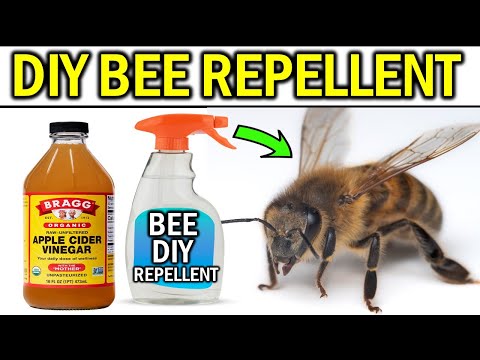
You want to keep bees from nesting near your home again? Try a few simple steps.
Seal up cracks, holes, and gaps around your house where bees could sneak in or start building nests.
If you plant things like eucalyptus or citronella close to your property, that can help keep bees away. Maybe keep your bee-friendly gardens a little farther from your house, so the bees stay happy but don’t get too close for comfort.
Take a look around your property now and then, especially when spring and summer roll around. Catching nests early makes everything easier.
If you want more detailed advice, check out these tips on honey bee nest removal.


