
If you find a dead squirrel in your yard, you might be wondering about the best way to handle it. Burying a squirrel is often a safe and respectful option, especially if you can do it properly. Many people choose this method to keep their yard tidy and to return the animal to the earth in a natural way.
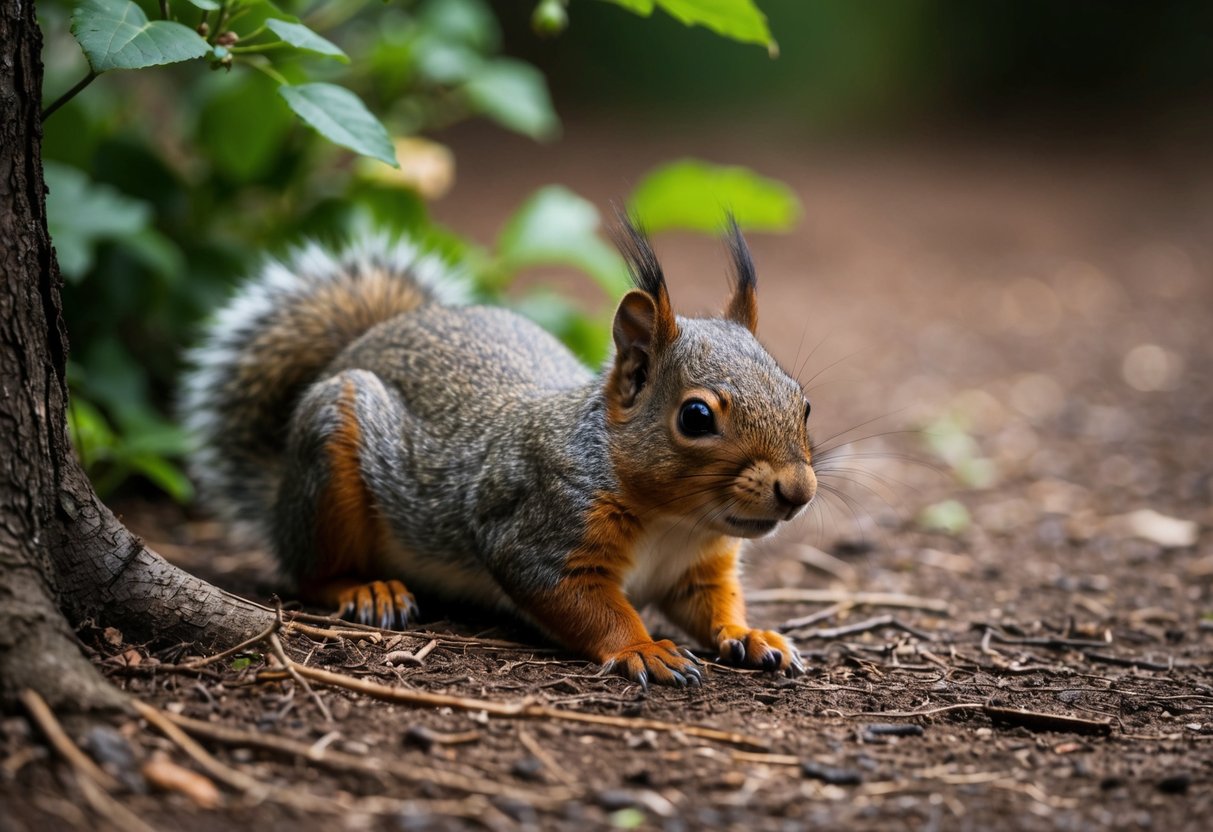
When considering burial, it’s important to dig deep enough to avoid any smell or health risks. A depth of at least two feet is usually recommended. Make sure you check for any underground utilities before you start digging to stay safe.
Caring for the environment is something we all want to do, and taking the time to properly dispose of a dead squirrel can contribute to that. By choosing to bury it, you’re helping to recycle nutrients back into the soil while also keeping your outdoor space clean and safe.
Understanding Squirrel Behavior and Habitats
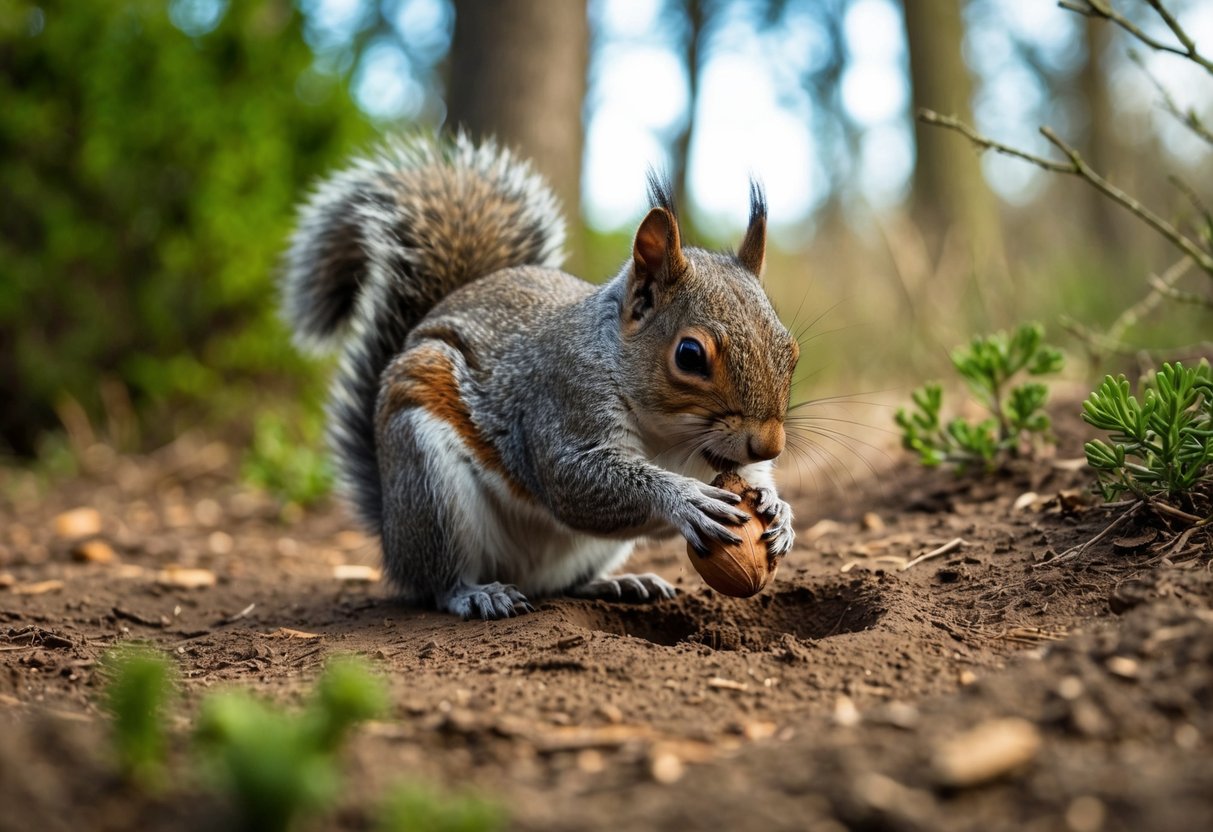
Squirrels are fascinating creatures with unique behaviors and habitats. By learning about their species characteristics, nesting patterns, and feeding habits, you can better understand these animals. This knowledge can also help you when considering their treatment after death.
Species Characteristics
There are several common squirrel species, including the Eastern Gray Squirrel, Red Squirrel, American Red Squirrel, Flying Squirrel, and Fox Squirrel. Each species has its own distinct traits.
- Eastern Gray Squirrel: Often found in urban areas, they have gray fur and are known for their adaptability.
- Red Squirrel: Smaller and with reddish fur, they prefer coniferous forests.
- Flying Squirrel: This nocturnal squirrel can glide from tree to tree, thanks to a special membrane.
Understanding these unique characteristics helps you recognize them in your area.
Habitat and Nesting Patterns
Squirrels create nests in trees, often in high branches for safety from predators. Their nests can be made of leaves, twigs, and other materials. Here’s a quick list of nesting styles:
- Leaf Nests: These are common and often built in branches.
- Hollow Trees: Some squirrels use natural cavities for shelter.
Squirrels maintain territories ranging from half an acre to several acres, depending on the species. They can sometimes be seen sharing space, especially where food is abundant.
Feeding Habits and Diet
Squirrels are omnivorous, which means they eat both plants and animals. Their diet often includes:
- Nuts: Acorns and walnuts are favorites.
- Seeds and Fruits: They also consume berries and tree fruits.
Squirrels use two main methods for storing food:
- Larder Hoarding: This is when they collect large amounts of food in one spot.
- Scatter Hoarding: This method involves hiding small amounts of food in various locations.
This behavior ensures they have enough food during winter months. Understanding their feeding habits can help you appreciate their role in the ecosystem.
Addressing the Main Question
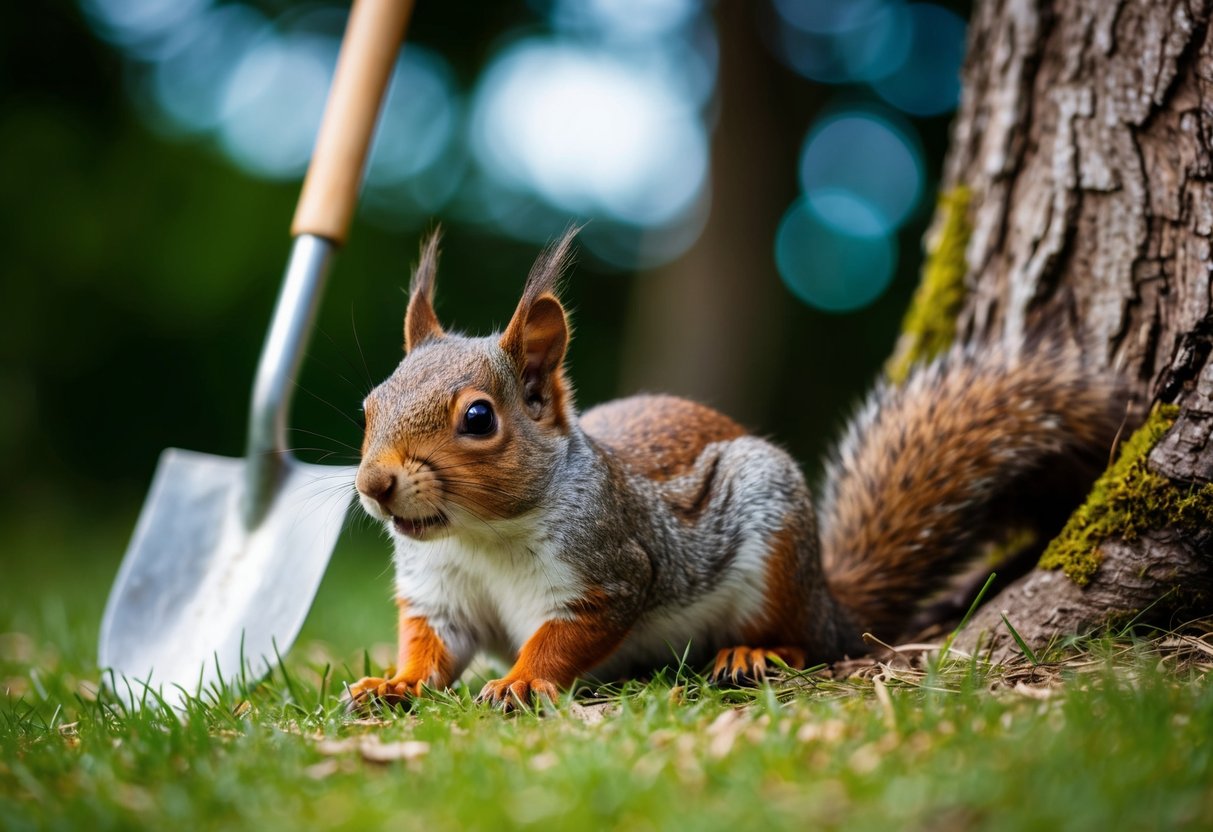
When dealing with a dead squirrel, there are several factors to consider. It’s important to know the right time to bury, the ethical aspects involved, and what other methods you can use for disposal.
When to Consider Burial
You might want to bury a squirrel if you find it on your property. This can be a respectful way to handle a deceased animal. Choose a spot that’s away from your living areas. Make sure the burial is at least three feet deep. This helps prevent other animals from digging it up.
Burial is more feasible if the ground is soft and not frozen. In some cases, if you feel it’s unsafe or illegal to bury where you live, check local regulations.
Ethical and Legal Considerations
Consider the legal and ethical side before you make your decision. In many areas, burying a dead squirrel is allowed, but the law can vary. Some places may have specific rules about wildlife disposal.
Before proceeding, contact local wildlife authorities if you’re unsure. It’s best to avoid attracting other wildlife or pets. Burying in your yard may not be ideal if you have close neighbors or pets running around.
Alternatives to Burial
If burying isn’t an option, there are alternatives. You can contact animal control or local wildlife services for guidance. They often provide disposal services for wildlife.
Another option is to place the squirrel in a well-sealed plastic bag and put it in the trash. Just make sure it’s legal where you are. Keeping your yard clean is essential, especially if you’re dealing with other animals like American Red Squirrels, which may inhabit your attic or chimney.
Always prioritize safety and take action based on your local guidelines. Being informed helps you make the best choice for your situation.


