
Ever catch a squirrel munching on a grape in your yard and wonder if it’s safe to share? Yep, squirrels can eat grapes, but you should only give them a little at a time. Grapes are packed with sugar and could cause health issues if squirrels eat them too often. Let’s get into when grapes are safe and when they’re actually risky.

I’ll break down what parts of grapes to skip, how often to offer them, and which snacks are actually better for your backyard buddies. Stick around for some easy tips you can use right away to help keep squirrels healthy.
Can Squirrels Eat Grapes?
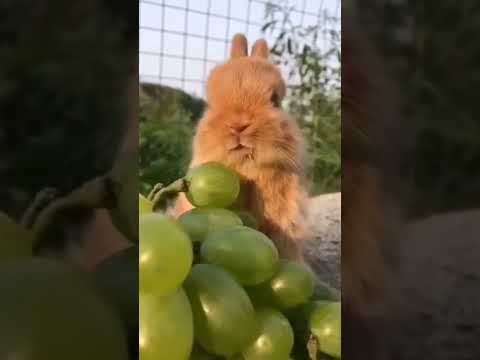
Grapes can work as a treat for most squirrels if you don’t go overboard. They give a quick energy boost, a bit of water, and a few vitamins. Too many, though, and you’ll end up with a squirrel who’s got tummy trouble or stops foraging like it should.
Do Squirrels Eat Grapes in the Wild?
Wild squirrels will eat grapes when they stumble across them on vines, bushes, or even when they find them on the ground. Grapes grow in a lot of squirrel habitats, so they’ve figured out how to handle the soft fruit and seeds.
You might spot a squirrel carrying off a whole grape to snack on somewhere quiet. Sometimes they’ll try to stash grapes away, but honestly, grapes don’t keep well because they’re so juicy.
Grapes give squirrels a quick hit of sugar and hydration, which can help on hot days or when they’re busy foraging. Still, grapes aren’t a main food for them. Squirrels mostly rely on nuts, seeds, buds, and even insects for their real nutrition.
Feeding Grapes to Squirrels Safely
Offer grapes as a treat, not a meal. Give a squirrel just a few grapes at a time, or you might end up with a chubby or sick critter.
Always wash grapes to get rid of any pesticides or wax. If the grapes are big, cut them in half to help prevent choking—especially for the little guys.
Skip raisins and dried grapes; they’re just sugar bombs and can stick to teeth. Don’t mix grapes with sugary snacks or salty foods meant for humans. If you’re caring for wild squirrels, check local wildlife rules before feeding. If you notice a squirrel acting tired, having runny stools, or refusing its usual food after eating grapes, stop right away and reach out to a wildlife rehabber.
Serving Size and Preparation Tips
Portion size matters. For an adult squirrel, 2–4 small grapes or 1–2 big ones is plenty per feeding. For babies, cut that in half.
Wash grapes and remove the stems. Cut large grapes and toss any that look weird or moldy. Put grapes on a flat surface or feeder so they don’t rot on the ground.
Mix things up with healthier snacks like unsalted nuts, apple bits, or berries. If you see grapes left behind or starting to ferment, clean them up to keep other wildlife safe.
You can check out more feeding tips and info on overfeeding risks in this safe feeding guide for wildlife.
Health Impact of Grapes on Squirrels

Grapes pack in some energy and a few vitamins, but they also come with sugar and can upset a squirrel’s stomach. It’s smart to weigh the good and the bad before you hand over grapes to wild or pet squirrels.
Nutritional Value of Grapes for Squirrels
Grapes give squirrels a fast burst of calories from natural sugar. One grape has a bit of vitamin C, potassium, and water, which can help with hydration when it’s hot out.
There’s some fiber, too, which helps with digestion if you don’t overdo it. Grapes don’t have much fat or protein, though, so they can’t replace main foods like acorns, walnuts, or commercial mixes.
If you want to feed grapes, keep it small. Think of them as a treat—just one or two small grapes, not a pile. Always rinse them off before giving them to pet squirrels.
Risks of Feeding Grapes to Squirrels
Too many grapes can lead to diarrhea, stomach cramps, or weight gain because of all the sugar. Some squirrels might get an upset stomach from grapes faster than from other fruits.
Big grapes can be a choking risk, especially for young or small squirrels, unless you cut them up. Moldy or fermented grapes can actually be toxic, so always check before serving.
Since research doesn’t say for sure if grapes are super dangerous for squirrels, it’s best not to make them a regular thing. Watch any squirrel after they try a new food, and if you see vomiting, tiredness, or them skipping their usual snacks, stop feeding grapes.
How Grapes Fit Into a Squirrel Diet
Grapes should stay an occasional snack. The main diet for squirrels should be nuts, seeds, and veggies that give them the fat and protein they need to grow and stay active.
Use grapes for some variety or a hydration boost when it’s hot. Offer them alongside higher-fat foods like shelled nuts or a good squirrel mix to keep things balanced.
If you care for a pet squirrel, stick to a feeding plan that spells out treats and core foods by portion. For wild squirrels, only put out grapes rarely and in small amounts so you don’t mess with their natural habits.
Alternatives to Grapes and Commercial Squirrel Food
Try giving squirrels safer fruit options like apple slices (just skip the seeds), banana pieces, or a few berries. These fruits pack in vitamins and make it easier to keep an eye out for spoilage.
Nuts work great too. Grab some unsalted peanuts, walnuts, or hazelnuts to give them the fats and protein they crave.
If you want a shortcut, you could pick up a solid commercial squirrel food. That way, you’re covering their nutrition without piling on sugar.
When you choose treats, stick with whole, fresh foods. Processed or sugary human snacks? Probably best to skip those.
Mix things up now and then, and always check for mold before handing over anything. If you’re curious about more risks or feeding ideas, you can dive into this article about grapes and squirrel safety.


