
Squirrels are often seen as charming creatures, darting across parks and gardens. However, in the UK, they can also be a source of frustration for many homeowners. While squirrels can be cute, they are indeed classified as pests due to their impact on native species and risks they pose to property.
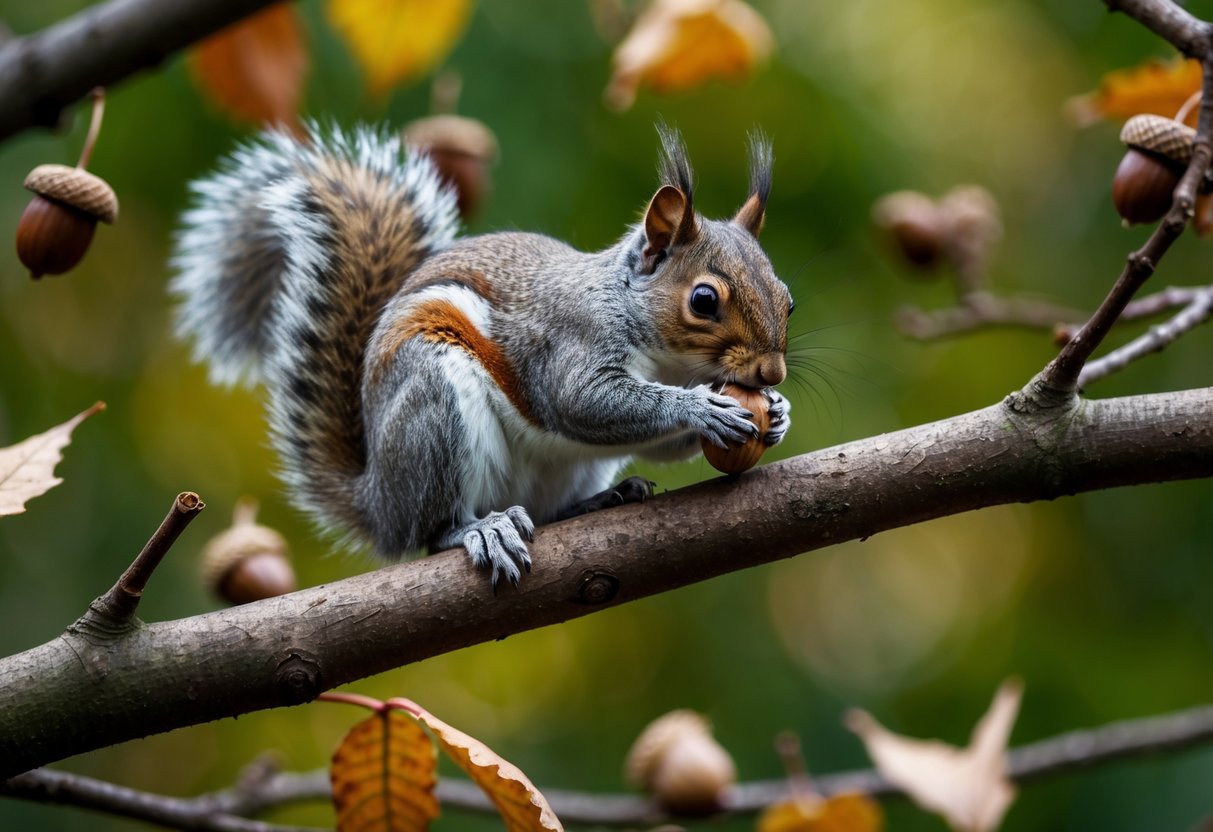
Grey squirrels, introduced to the UK, have pushed the native red squirrel toward extinction. This competition for resources makes grey squirrels a concern for wildlife conservation. Additionally, they can cause significant damage to homes by chewing through wires and insulation.
Understanding whether squirrels are pests is key to managing your garden or property effectively. By the end of this article, you’ll have a clearer picture of how to handle these animals and protect your space while considering the environment.
Understanding Squirrel Behaviour in the UK
Squirrels in the UK have distinct traits and habits that set them apart from each other. Knowing these behaviours helps you understand how they interact with their environment and your gardens.
Distinct Traits of Grey and Red Squirrels
The grey squirrel is larger than the red squirrel and has a bushy tail and a light grey coat. You may often spot grey squirrels in your gardens or parks, actively scavenging for food. They are skilled climbers, easily moving along tree branches.
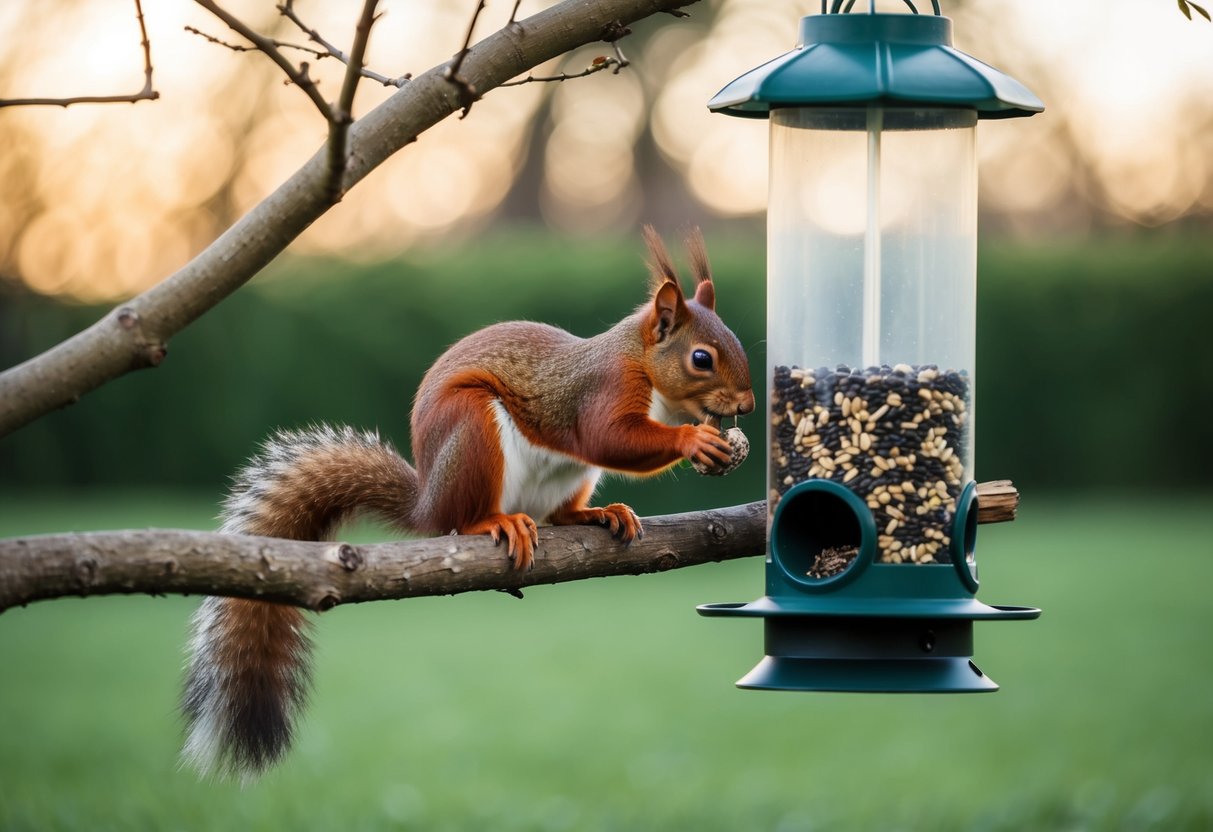
In contrast, the red squirrel is smaller with a reddish-brown coat and tufted ears. They tend to be more cautious than greys and prefer coniferous woodlands. Due to their smaller population, they are considered a threatened species in the UK. This difference in size and behaviour influences their habitats and interactions with food sources.
Squirrel Habitats and Seasonal Activities
Squirrels live in various environments, including forests, gardens, and parks. They build nests called dreys high in trees, which provide shelter and a safe space for raising young.
Throughout autumn, squirrels gather and store food, like nuts and seeds, to prepare for winter. You might notice them busily foraging and burying food in the ground or in garden beds. During winter, they rely on these stored supplies, staying active on milder days. Their behaviour changes with the seasons, affecting how they interact with your outdoor spaces.
Tackling Squirrel Problems
Squirrels can cause various issues in gardens and homes. It’s essential to recognize the signs of squirrel activity and take steps to prevent damage. Knowing how to effectively manage squirrels can keep your space safe and minimize the impact of these pests.
Identifying and Preventing Squirrel Damage
The first step is noticing signs of a squirrel infestation. You might see droppings, chew marks on plants, or nests in loft spaces. Squirrels often damage bulbs or young plants, so keep an eye on your garden.
To prevent damage, try to make your garden less friendly to squirrels. You can do this by removing food sources like bird feeders or by protecting your plants with mesh. Regularly check and seal entry points into your home, such as gaps around pipes or vents. This kind of proofing is vital to keep squirrels from nesting in your attic or walls.
Legal and Effective Control Methods
If you already have a squirrel problem, there are effective control methods. Consider using cage traps to safely capture squirrels. These traps allow you to relocate the animals without harm.
If you’re unsure about handling squirrels, a professional pest control company can help. They understand local laws about managing pests and can offer solutions tailored to your situation. It’s important to check the legality of any methods you choose, as some actions can be restricted due to the presence of the native red squirrel, which is protected in the UK.
Remember, quick action can prevent structural damage and reduce the chance of further infestations. Addressing the issue promptly and effectively ensures that your property remains safe from damage caused by these pests.


