
If you’ve ever wondered if there’s another name for a rabbit, you’re in the right place! Rabbits are known by several different names, including hare, bunny, and cottontail. These terms can add some fun to your conversations about these adorable creatures.
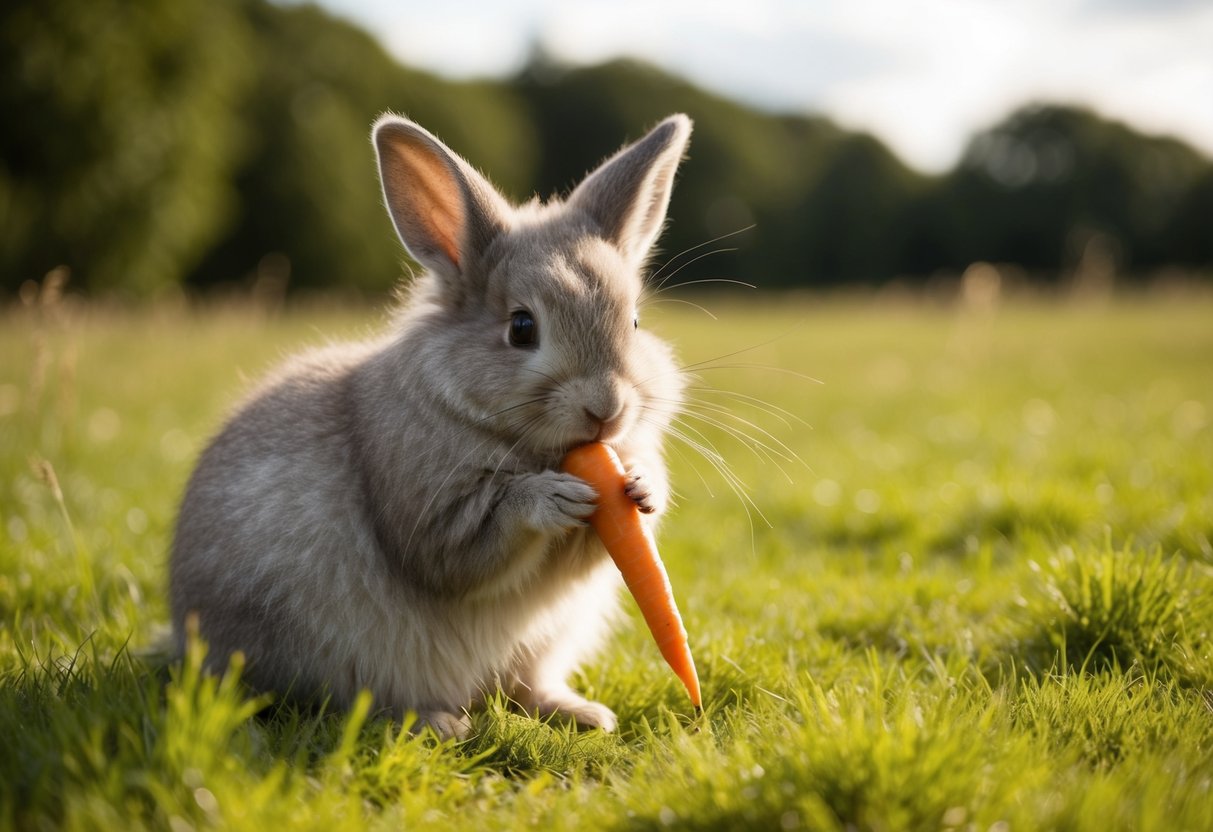
Understanding the different names can deepen your appreciation for rabbits and make you sound knowledgeable among friends or family. You might be surprised to learn about more specific terms like buck (for a male rabbit) and doe (for a female rabbit).
So, whether you’re a rabbit owner or just a fan of these fluffy animals, exploring their various names will surely enhance your experience. Let’s hop right into the world of rabbits and their synonyms!
Understanding Rabbits and Their Many Names

Rabbits are fascinating mammals that go by various names. Knowing these names can help you understand them better. From scientific classifications to regional nicknames, you’ll discover the different ways people refer to these beloved creatures.
Scientific and Common Names
Rabbits belong to the order Lagomorpha and the family Leporidae. Within this family, there are different species, including the domestic rabbit (Oryctolagus cuniculus) and wild rabbits like the European rabbit. Common names like “bunny” and “coney” also exist. “Bunny” is often used for young rabbits or as an affectionate term. “Lapin” is a French word for male rabbits, highlighting the cultural variations in naming.
Regional and Colloquial Variations
Different regions have unique names for rabbits. In some areas, you might hear “bunny” as a cute nickname, while in others, they’re simply called “rabbits.” In places where French is spoken, “lapin” is more common. You may also come across terms like “coney,” particularly in historical contexts. These variations can reflect local culture and language, adding flavor to how you discuss these furry friends.
The Many Faces of Pet Rabbits
When it comes to pet rabbits, names can vary even more. You might call your furry friend a “bunny,” a term that implies cuteness and youth. These domestic rabbits can show a lot of personality, leading owners to give them unique names based on their traits. Some people refer to certain breeds as “mini lops” or “Holland lops,” highlighting distinct appearances. Regardless of the name you choose, each rabbit holds a special place in your heart.
Rabbit Kin and Their Distinctions
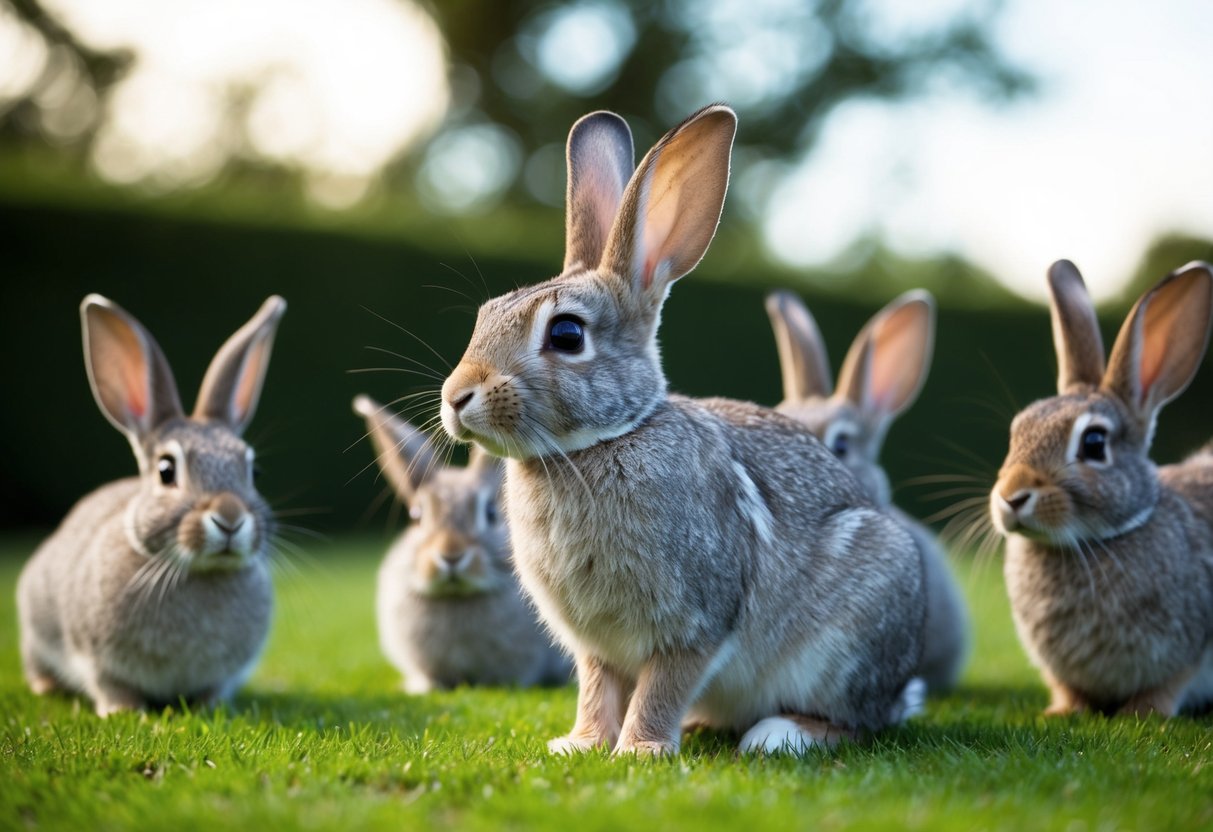
Understanding the different types of rabbit relatives can be fascinating. This section will explore how rabbits differ from hares, introduce you to pikas, and provide insights on other rabbit-related animals in the animal kingdom.
Hares Vs. Rabbits
Hares and rabbits belong to the same family, Leporidae, but have distinct differences. Hares are generally larger and have longer ears and legs than rabbits. When born, hares, known as leverets, are fur-covered and can see immediately. In contrast, baby rabbits, called kits or bunnies, are born blind and hairless.
In terms of behavior, hares tend to be more solitary, while rabbits are often social creatures. Common species of hares include the jackrabbit, while the well-known cottontail is a type of rabbit. Understanding these differences helps appreciate their unique roles in ecosystems.
Pikas: The Lesser-Known Relatives
Pikas are small mammals that also belong to the Lagomorpha order, which includes rabbits and hares. Unlike their larger relatives, pikas are not as well-known and resemble a cross between a rabbit and a mouse. They have short limbs and no visible tail.
Pikas primarily inhabit rocky terrain in mountainous regions. They have a unique way of preparing for winter by collecting and drying vegetation, which they store for later use. These adorable creatures are a crucial part of their ecosystem by helping with plant propagation.
Rabbit Relatives in the Animal Kingdom
Many other animals are related to rabbits through the Leporidae family. Besides hares and pikas, you may encounter various types of rabbits. These include species like the European rabbit and the Siberian brown hare.
Rabbits are herbivores, mainly feeding on grass and leafy plants. Their distinct social behaviors often lead to their living in groups, called warren. Each rabbit has its unique characteristics, but they all play a vital role in their habitats. Knowing about these relatives enriches your understanding of the rabbit family’s diversity.
Rabbit Terminology and Life Stages
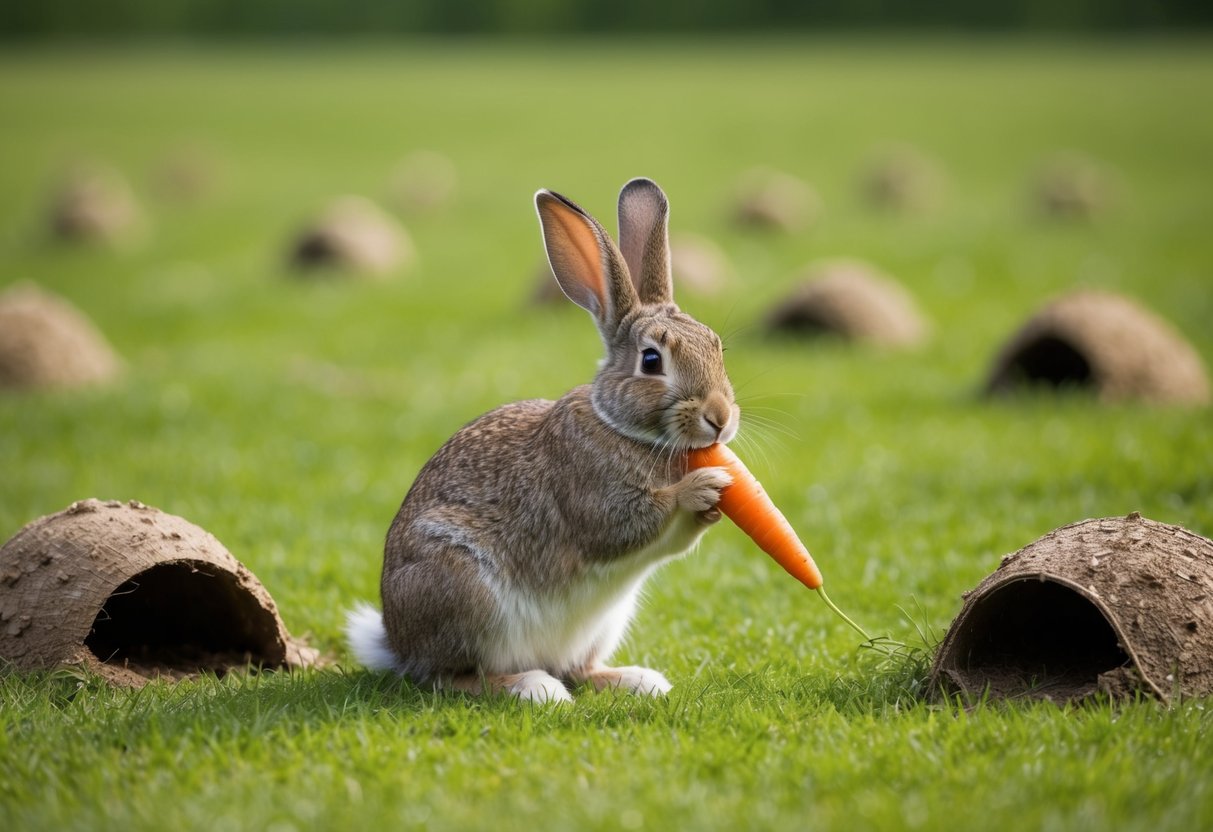
Understanding rabbit terminology and their life stages can help you better care for your pet. Each phase of a rabbit’s life is unique, and knowing the specific names can enhance your experience as a rabbit owner.
From Birth to Adulthood
Rabbits go through several key life stages. Here are the main stages:
-
Kitten (or Kit): This is the baby stage from birth to about 8 weeks. Kits are born blind and hairless, depending on their mother for warmth and food. During this time, they develop rapidly.
-
Juvenile: From around 8 weeks to 12 months, rabbits are considered juveniles. They begin to explore their environment and their playful behavior shines through. At this stage, it’s also important to socialize them.
-
Adolescent: Between 3 to 6 months, rabbits reach puberty and become sexually mature. This is a crucial time for spaying or neutering to prevent unwanted behaviors or pregnancies.
-
Adulthood: Lasting from around 1 year to 5-8 years, this stage is when rabbits settle into their routines. Adult rabbits are often calmer and more social with their human companions.
Gender Specific Names
Rabbits also have specific names based on gender, which is helpful to know.
-
Buck: This term refers to a male rabbit. Bucks can be playful and may show more territorial behavior, especially if they are not neutered.
-
Doe: This is the name for a female rabbit. Does can have strong maternal instincts, and spaying helps prevent certain health issues.
-
Kit: This name is often used for baby rabbits, regardless of gender. They are cute and require gentle handling during their early stages.
Recognizing these terms can deepen your understanding of rabbit behavior and needs.


